

















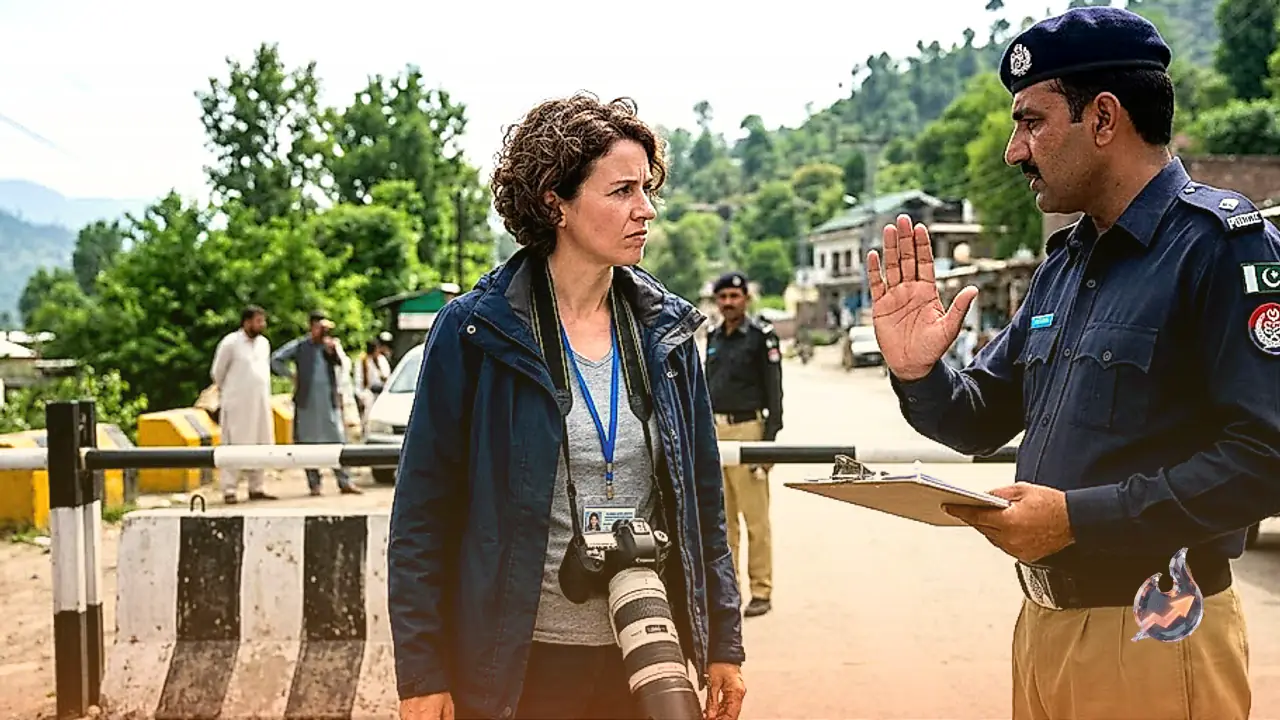

The government of Pakistan has enforced a new regulatory framework targeting international journalists and global news agencies operating within the country. Promulgated by the Ministry of Information and Broadcasting under the title Foreign Media Facilitation Guidelines 2026, the policy places stringent spatial and administrative limits on foreign correspondents. This development unfolds against the backdrop of sustained public demonstrations across Pakistan-occupied Kashmir, driven by steep hikes in electricity tariffs, surging inflation, and allegations of military high-handedness. The regulations appear aimed at curbing international press coverage of regional unrest and mitigating diplomatic fallout.
Spatial Restriction to Three Cities and Mandatory NOC Directives
Under the freshly notified guidelines, foreign reporters and international media organizations are strictly restricted to operating within the urban boundaries of Islamabad, Lahore, and Karachi. Should any foreign correspondent intend to travel outside these three designated metropolitan centers for reporting or research purposes, they are mandated to secure an official Non-Objection Certificate from the government prior to departure. Unauthorized movement or reporting beyond the permitted locations is categorized as a direct regulatory violation.
Mandatory Portal Registration for Local Fixers and Media Crews
The regulatory scope extends beyond foreign nationals to encompass local personnel supporting international press operations. Local reporters, videographers, translators, and fixers working in collaboration with foreign news outlets are now legally required to submit their credentials to an official government portal for mandatory registration. Media analysts suggest this centralized registry enhances state oversight on ground-level informational networks and creates significant pressure on local news gathering facilitators.
Background of Unrest and Electoral Controversy in PoK
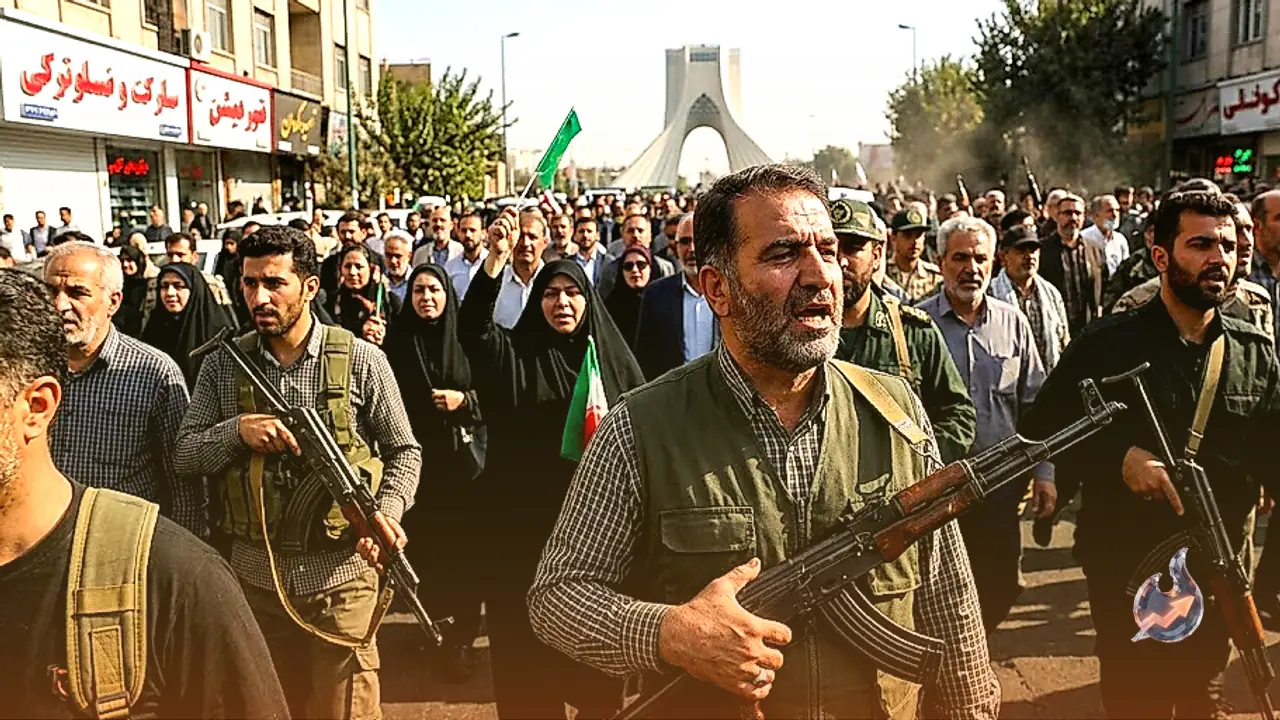
Widespread civil dissatisfaction has intensified across prominent regional centers in PoK, including Rawalakot and Muzaffarabad. Recent assembly elections in the territory were marred by severe allegations of electoral malpractices and violent confrontations. Security forces deployed measures such as baton charges, live ammunition, and prolonged internet blackouts to disperse agitators, resulting in over 50 reported fatalities. Comprehensive coverage of these casualties and human rights concerns by foreign outlets drew sharp international attention toward the administration.
Digital Access Block on Al Jazeera and Accreditation Revocation Clauses
Following in-depth coverage by Al Jazeera on the electoral irregularities and ongoing civic demonstrations in PoK, the Pakistan government suspended the network's digital access across domestic networks. The 2026 guidelines explicit state that any foreign news organization or individual journalist producing content deemed prejudicial to Pakistan's national sovereignty, security, or public order will face immediate cancellation of their official registration and press accreditation. Furthermore, non-compliant journalists face the penalty of summary deportation.
Military Standing and the Historical Efficacy of Press Censorship
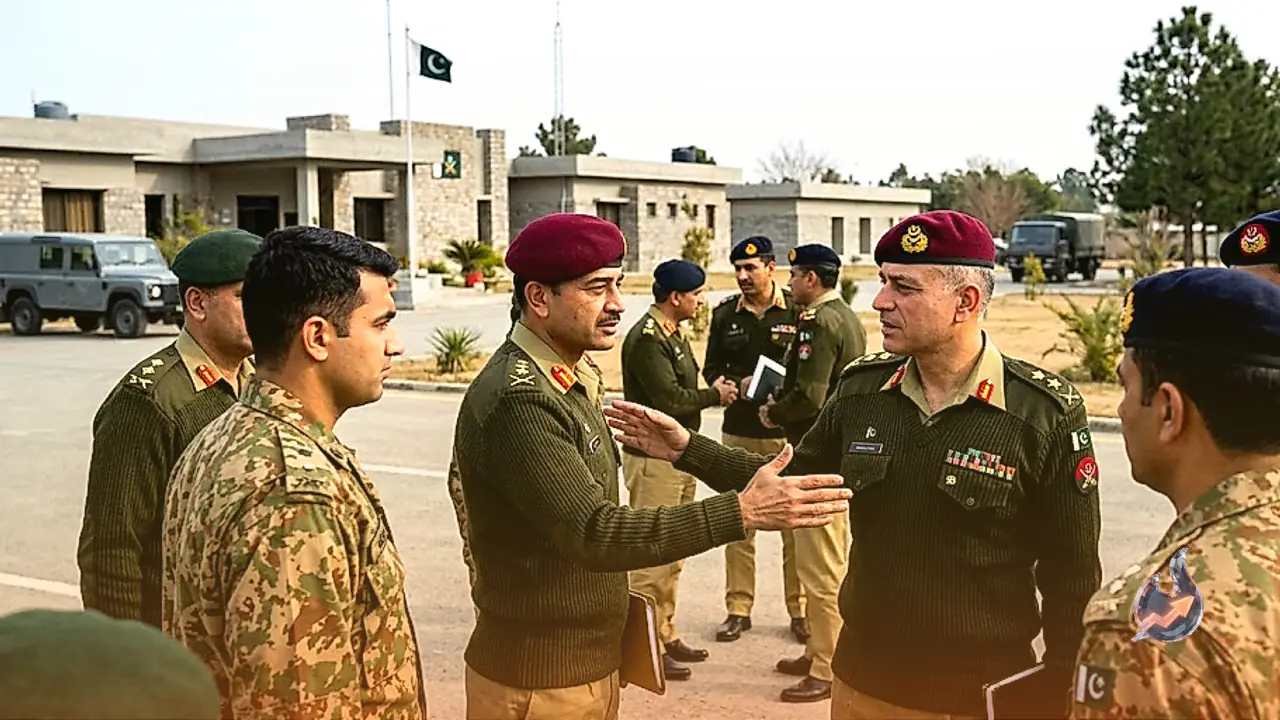
The administrative measures executed under the leadership of Prime Minister Shehbaz Sharif and Chief of Army Staff General Asim Munir reflect an effort to manage external perceptions regarding domestic stability. Nevertheless, press freedom advocates note that confining reporters to metropolitan hubs and mandating travel permits rarely succeeds in halting the flow of information. Historically, stringent media controls in the region have proven insufficient to prevent ground realities from reaching global audiences.