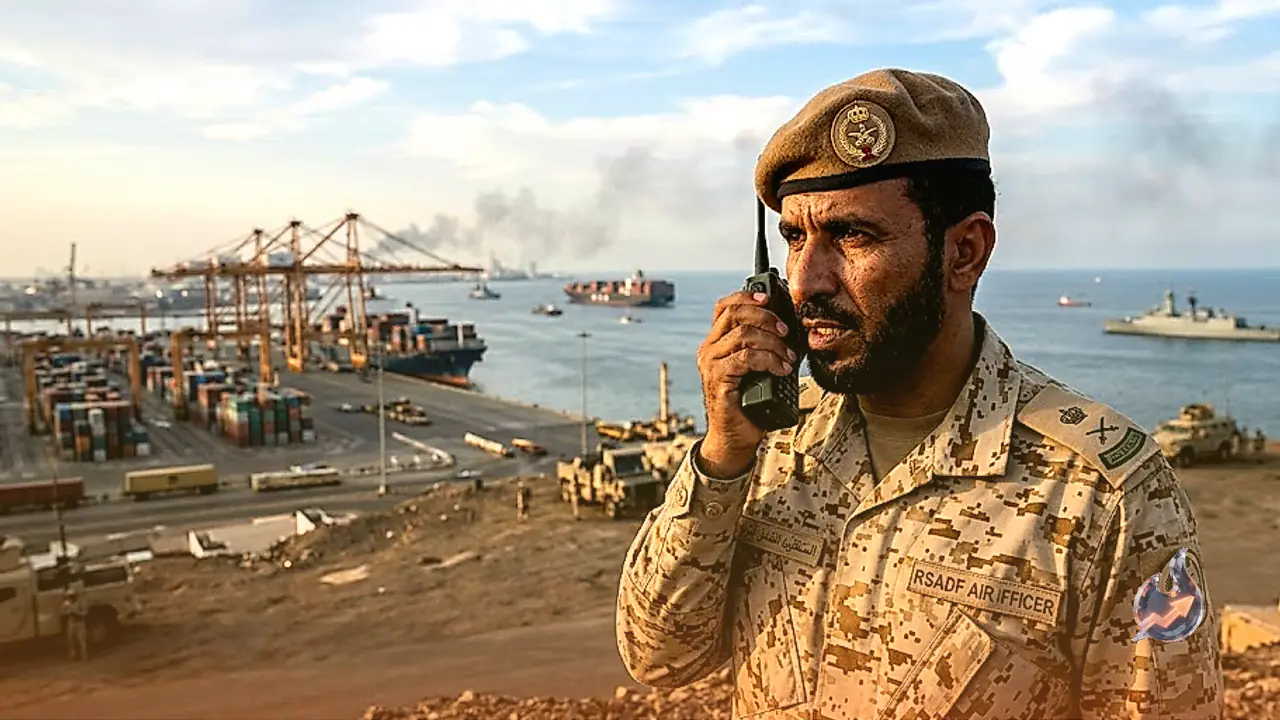
























Military confrontations across the Middle East have entered a perilous new phase, shifting the core axis of instability far beyond its initial geographic parameters. Ever since the United States and Israel launched joint airstrikes against Iran on February 28 of this year, the wider region has remained trapped in heightened hostilities. Compounding the situation, Iran has maintained a strict blockade on the strategic Strait of Hormuz for several consecutive months. Under normal peacetime conditions, roughly 20 percent of the entire world's petroleum and fuel supply moved through that vital marine corridor. Now, the disruption has expanded toward other critical maritime chokepoints linking key global commercial lanes.
Expanding Control Over the Bab al-Mandab Strait
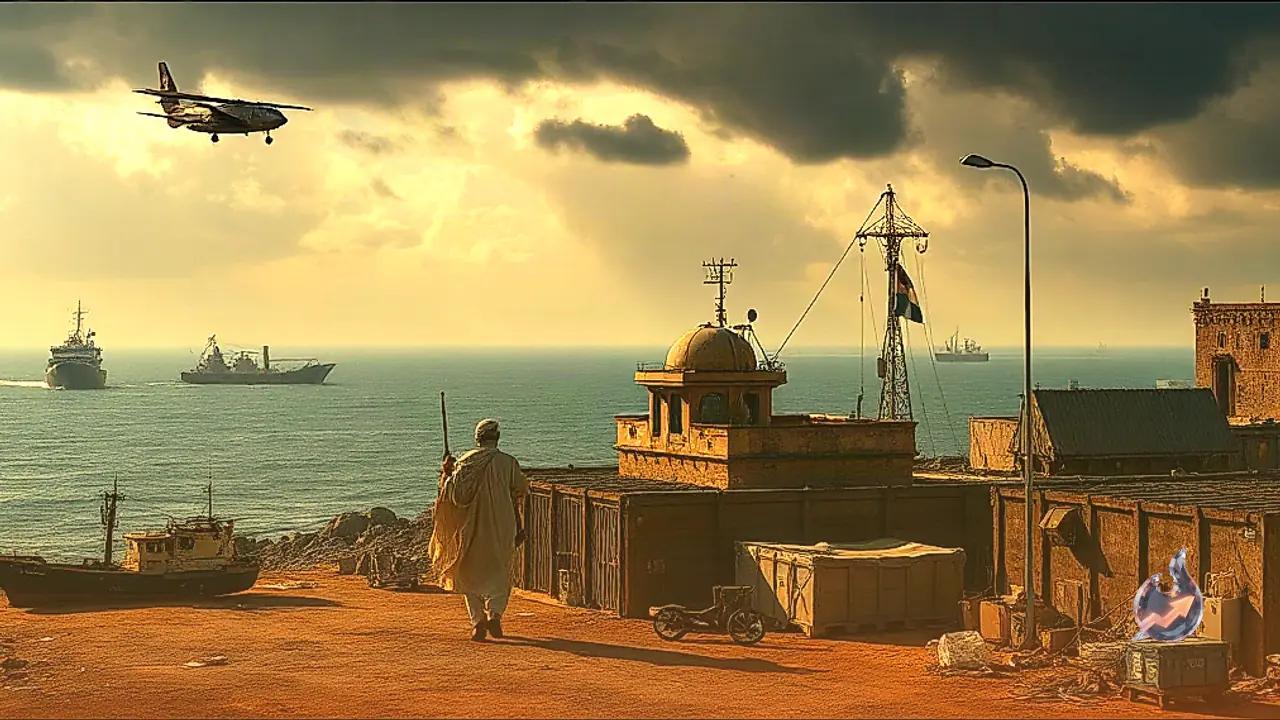
Houthi rebels have substantially expanded their tactical and military control over the Bab al-Mandab Strait, the crucial shipping channel connecting the Indian Ocean to the Red Sea and leading onward to the Suez Canal. This geographic pivot means that a conflict ignited thousands of kilometers away in Iran has actively spilled into Yemen and the immediate borders of Saudi Arabia. Decades of latent rivalry and proxy hostility between these factions have now reignited into open military engagement, placing vital global shipping passages directly in the crosshairs of armed confrontation.
Sanaa Airport Strike Ignites Direct Retaliation
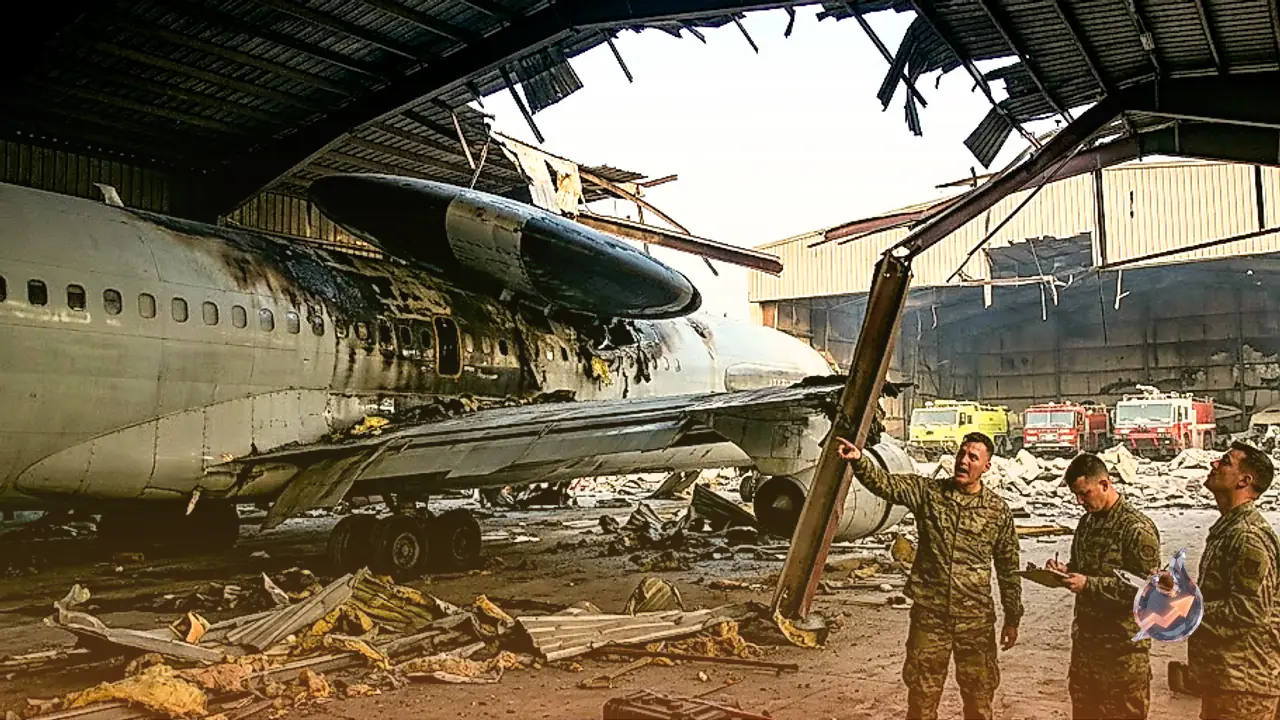
While animosity between the Yemeni Houthi fighters and the Saudi leadership spans many years, a critical incident on July 3 brought tensions to a boiling point. On that day, an aircraft transporting a Houthi delegation arriving directly from Iran was struck at Sanaa International Airport. The strike was carried out by the Saudi-backed government of Yemen, which justified the action by stating that the inbound flight constituted a direct violation of Yemen's territorial sovereignty. Yemeni authorities have repeatedly asserted that such transport flights are routinely utilized by Iran to transfer weapons, advanced military hardware, and logistical aid to the Houthi movement. The destruction of the aircraft prompted immediate outrage among Houthi leaders, who publicly pledged an eye-for-an-eye response against their adversaries. Houthi military spokesperson Yahya Saree declared in the aftermath that the strike had effectively terminated the de-escalation phase inside Yemen.
Retaliatory Campaign Targeted at Saudi Transport and Cities
In response to the incident at Sanaa airport, the Houthi command made it clear that they would refuse to stay quiet, committing to teach their opponents a harsh lesson. The group announced that just as their own aviation logistics were blocked and targeted, they would retaliate by imposing blocks across Saudi Arabia's maritime and aviation transit routes. Houthi representatives declared their intent to target Saudi commercial vessels and air travel from the sea to the skies. Following that declaration, the rebels launched a series of assaults against Saudi vessels and multiple urban locations, while simultaneously reigniting intensive territorial combat within Yemen itself.
Seizure of Strategic Mokha Port and Mayun Island
On the ground inside Yemen, Houthi forces have made significant territorial gains by stripping the recognized Yemeni administration of vital coastal assets. Rebel units successfully seized the strategically critical port city of Mokha from government forces. In addition to securing Mokha, the fighters consolidated their presence across several maritime islands positioned inside the Bab al-Mandab waterway. Key among these newly captured territories is Mayun Island, a strategic outpost whose control gives Houthi fighters commanding observation and firing capabilities over ships traversing the southern gateway to the Red Sea.
Roots of the Saudi-Houthi Conflict
The deep-seated hostility pitting Saudi Arabia against the Houthi movement is grounded in profound theological and geopolitical divisions. Saudi Arabia functions as a prominent Sunni-majority power, whereas the Houthi faction is rooted in the Shia religious tradition. Consequently, the Houthi ideology stands fundamentally at odds with the state policies and regional objectives pursued by Riyadh. Furthermore, the rebel faction continues to draw significant financial, logistical, and military backing from Iran. The long-running rivalry between Tehran and Riyadh for geopolitical preeminence across the Middle East has turned Yemeni soil into an active proxy battleground for years.
Origins of the Houthi Movement and the Yemeni Civil War
The origins of the Houthi movement trace back to the 1990s, when Shia cleric Hussein Badreddin al-Houthi organized the group, which ultimately took its name from him. In its formative years, the movement framed its mission around opposing perceived corruption inside the Yemeni government while fiercely protesting the administration's strategic alignment with the United States and Israel. By 2014, the faction had transformed into a formidable insurgent force, storming the capital city of Sanaa and ousting the internationally recognized government. Between 2014 and 2015, Houthi fighters secured control over massive portions of Yemeni territory, triggering a full-scale civil war that continues to destabilize the region. For Saudi Arabia, the establishment of a heavily armed, Iranian-aligned authority directly along its southern frontier represents an enduring and immediate threat to national security.