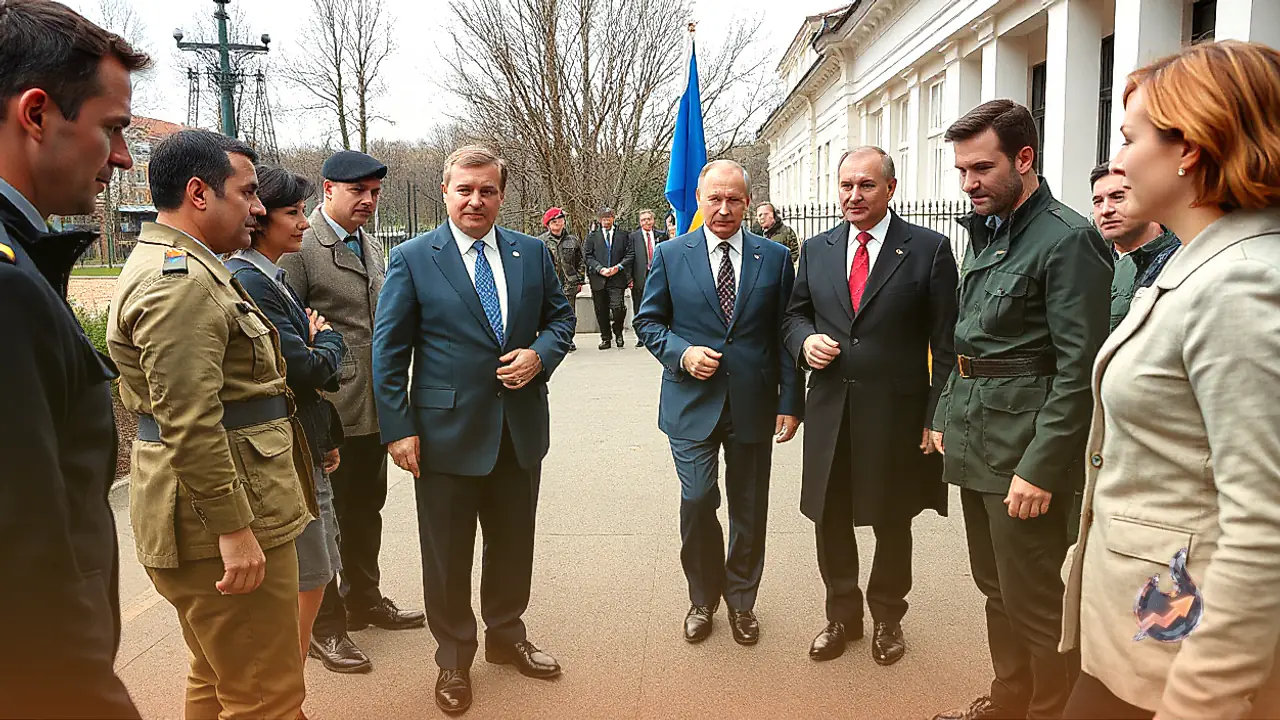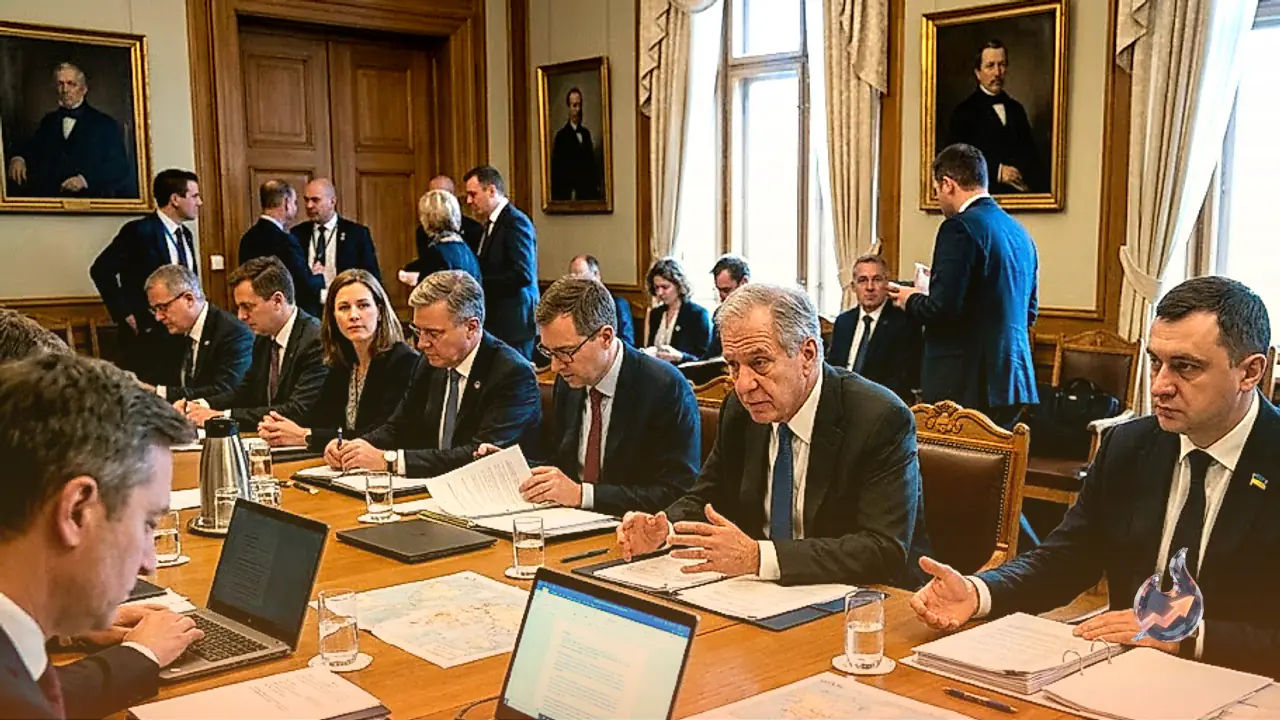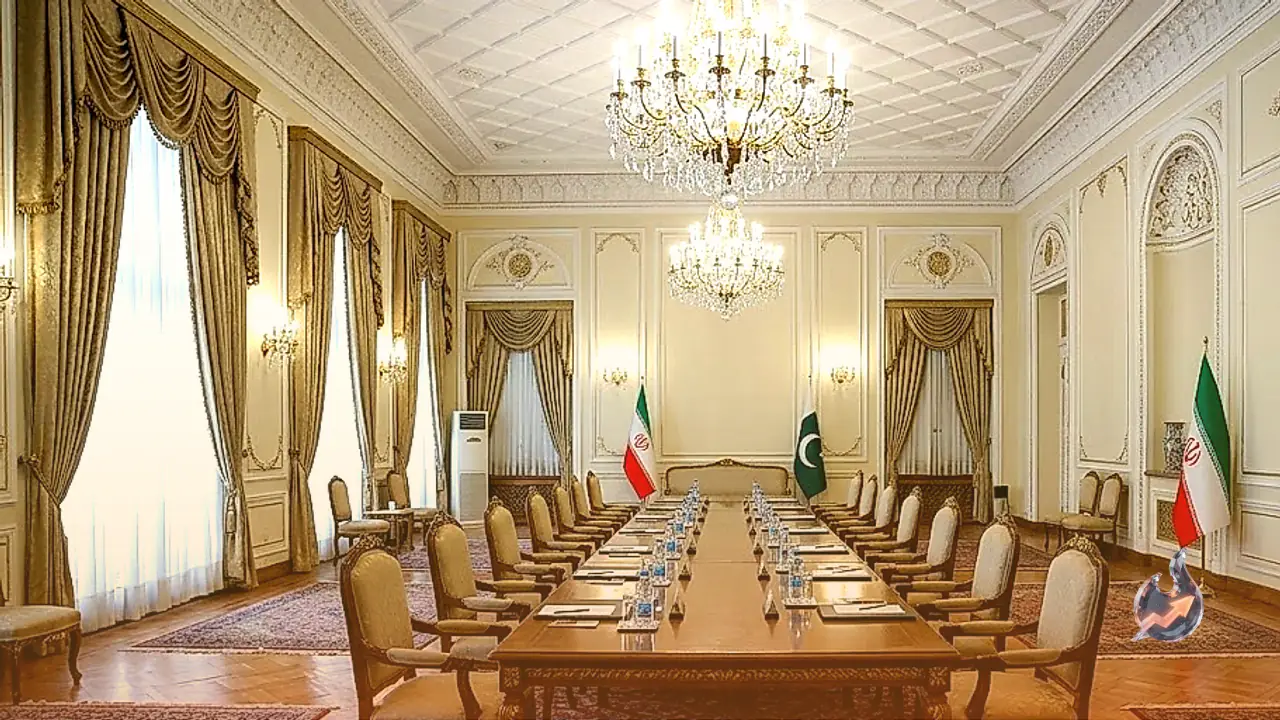























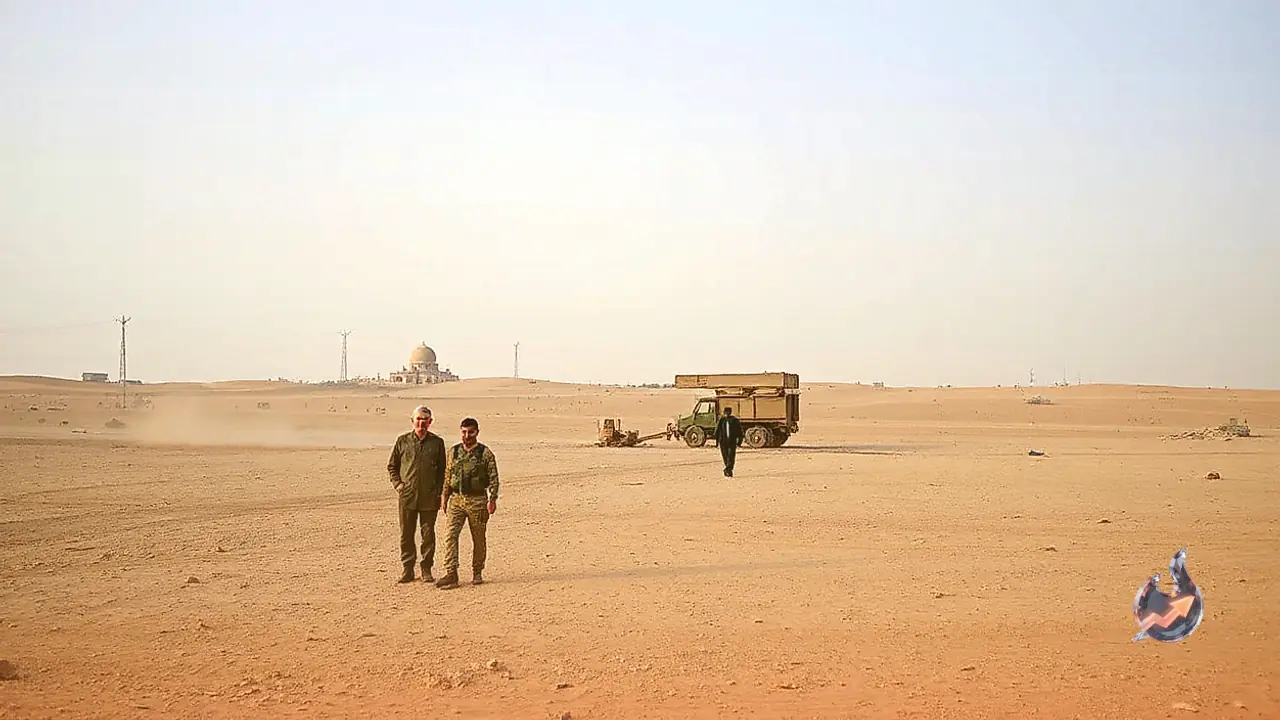

Tensions across the Persian Gulf have reached a critical juncture, raising serious concerns that a devastating regional war could soon erupt. Reports indicate that the United States and Israel are actively preparing to launch extensive military strikes against Iran. Intelligence and official sources suggest that these aggressive operations could commence even before the upcoming Israeli elections scheduled for October 27. With diplomatic channels effectively frozen and peace efforts stalled, the geopolitical stability of the Middle East remains hanging in the balance as military assets converge on the region.
Military Buildup and Strategic Deployment
The United States Central Command (CENTCOM) is reportedly making all necessary operational preparations to resume large-scale combat missions. According to a US official, final authorization from President Donald Trump to restart extensive war operations is anticipated, prompting immediate logistical movements. The official acknowledged that earlier phases of strategic initiatives had been initiated without full preparation of all required resources and assets.
To bolster regional strike capabilities, the aircraft carrier USS Theodore Roosevelt and the 13th Marine Expeditionary Unit are steaming toward the area, accompanied by approximately 10,000 additional sailors and Marines. These incoming forces will reinforce two other US aircraft carriers that are already stationed and operational within the Arabian Sea, creating a formidable naval armada capable of projecting immense power.
White House Denials and Diplomatic Deadlock
Despite mounting evidence of a military buildup, the White House has formally pushed back against reports of an imminent offensive. White House Principal Deputy Press Secretary Anna Kelly firmly stated that the United States will not launch any military actions against Iran ahead of the upcoming mid-term elections. This official stance contrasts sharply with the visible repositioning of heavy military hardware and personnel across the operational theater.
The breakdown in diplomacy has fueled mutual recriminations between Washington and Tehran. A senior Iranian official asserted that the diplomatic impasse stems from the administration's failure to engage with proposals put forward by Tehran to bring the conflict to a close. With formal talks completely broken down, observers fear that military escalation has become the default trajectory for both sides.
Tehran Warns of Severe Retaliation
Iran has signaled that it is fully prepared to retaliate forcefully against any renewed aggression. General Mohsen Rezaei, a top Iranian security official, warned that Tehran maintains the capability and weaponry, including advanced missiles and drones, to target numerous US military assets deployed throughout the wider region.
Rezaei cautioned that any hostile move against Iran would exact an extraordinarily heavy toll. While emphasizing that Tehran still prefers diplomatic resolutions if reasoned dialogue remains possible, he made it clear that Iran possesses robust defensive and offensive measures to respond if hostilities resume. Intelligence assessments within Iran suggest that heavy bombardment could occur prior to the electoral polling in Israel.
Projections of Catastrophic Casualties
Iranian officials have warned that a renewed military campaign would result in unprecedented destruction and loss of life. A senior official noted that given the dense footprint of American troop deployments scattered across regional host nations, the projected casualties and material losses suffered by the opposing side could be magnified tenfold compared to previous confrontations.