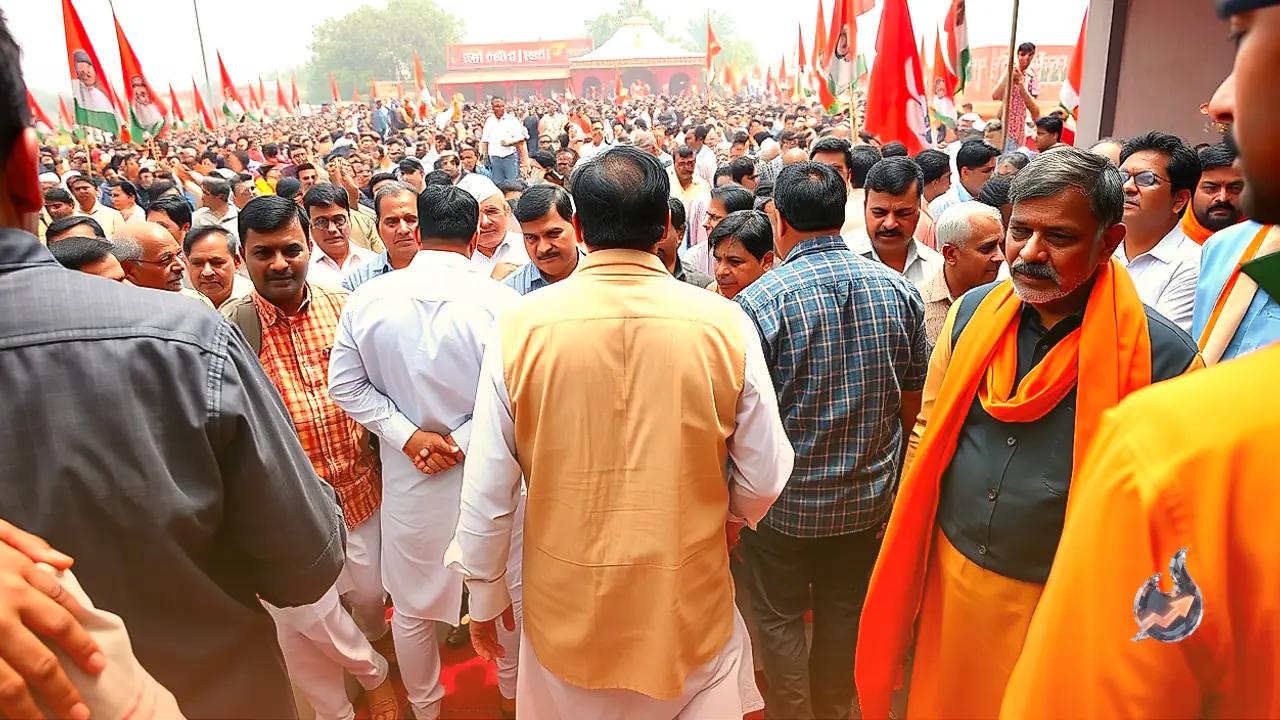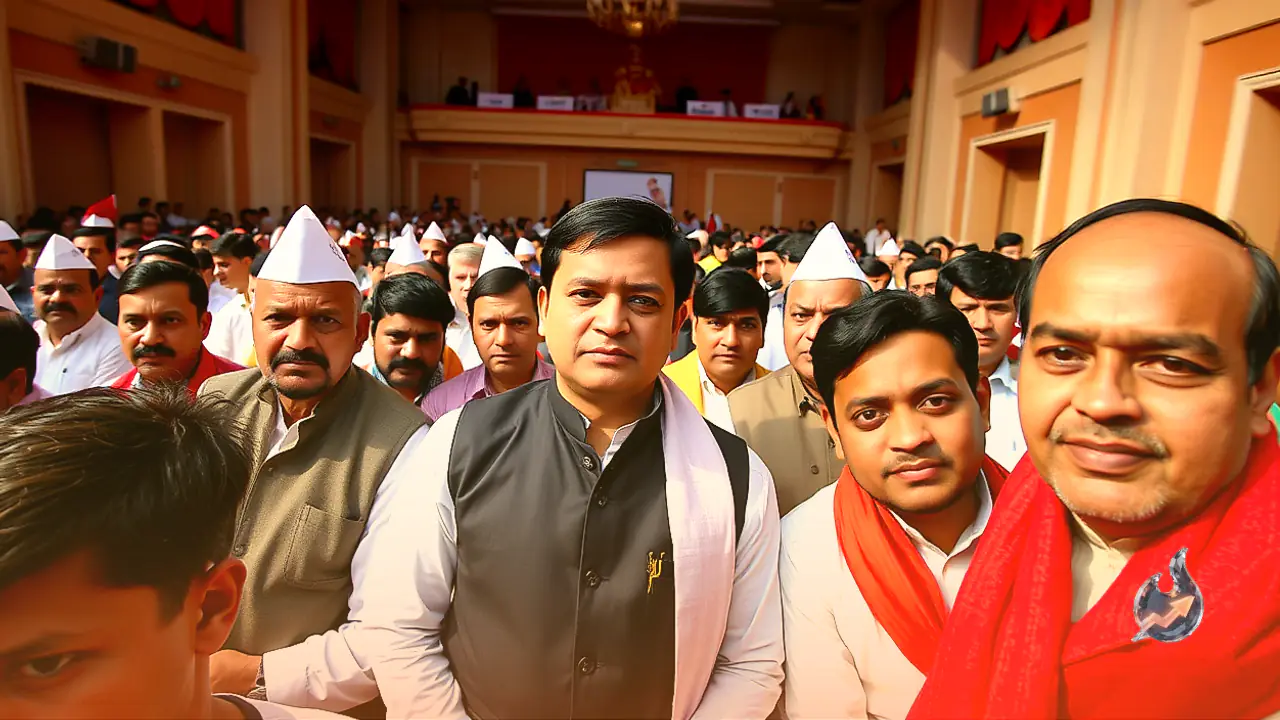
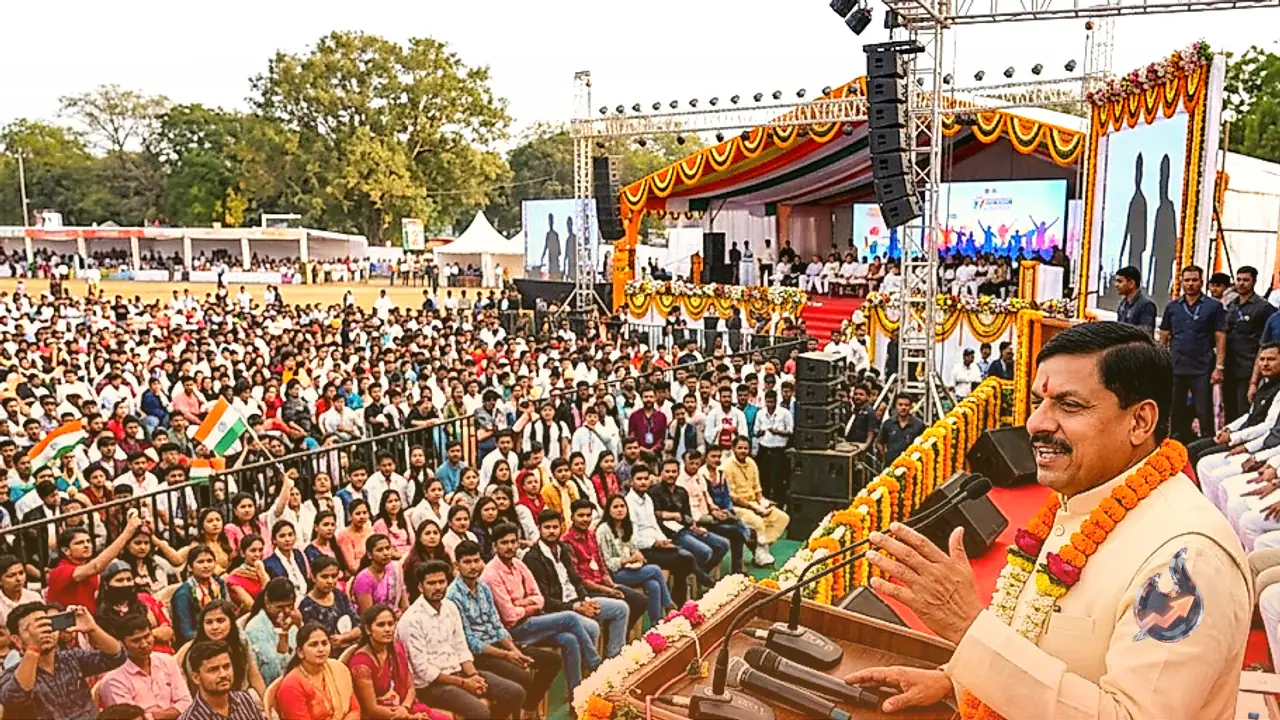

















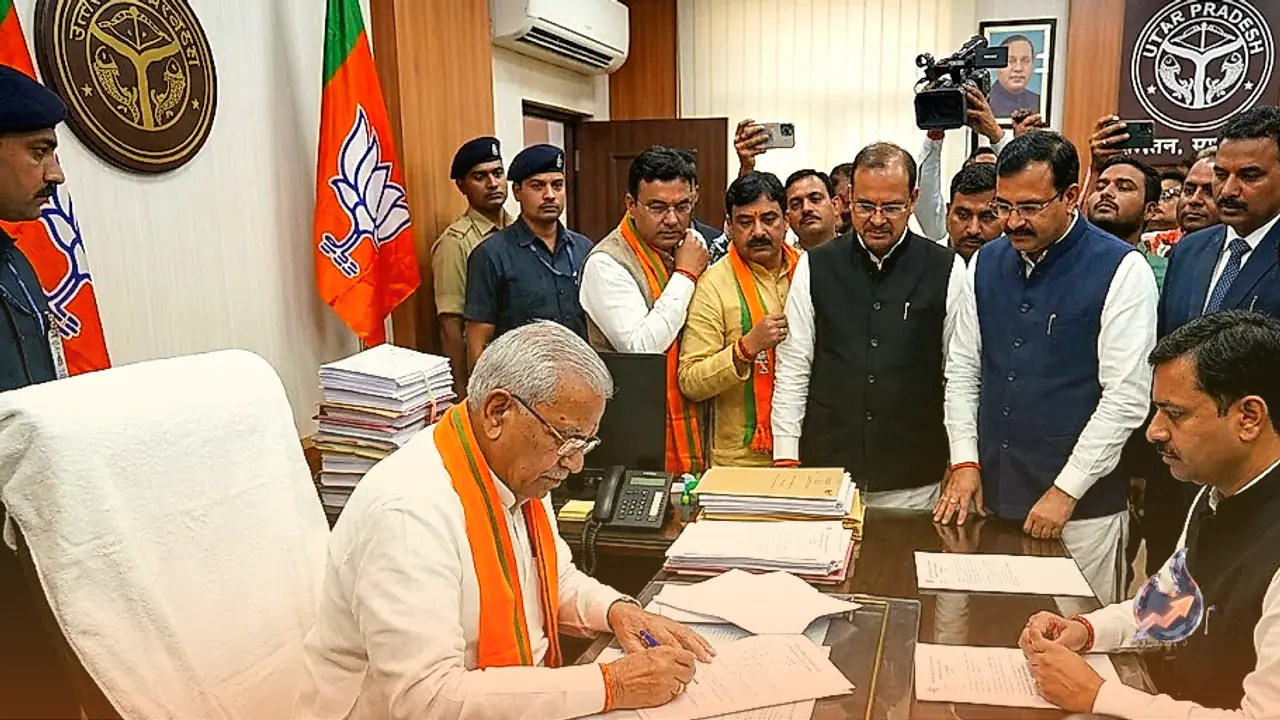

The selection of candidates by the Bharatiya Janata Party for the upcoming Rajya Sabha elections in Uttar Pradesh reflects a calculated effort to blend grassroots organisational loyalty with regional balance. Among the names cleared by the central leadership is Gopi Krishna Pandey, an experienced functionary from the Kanpur region whose personal association with Narendra Modi dates back roughly two and a half decades. In the year 2001, when Modi served as the national general secretary for organisation within the party, he spent three days staying at Pandey's residence in the Juhi locality of Kanpur. During that three day stay, both leaders visited the Lal Palace cinema hall together to watch the movie Gadar, and Modi also got a haircut at Pandey's house. Elevating a loyalist after so many years signals a strategic move ahead of the 2027 state assembly elections.
Decades of Grassroots Work and Organisational Roles
Gopi Krishna Pandey built his political career entirely through ground-level party structures rather than high-profile electoral contests. Hailing from Kanpur Dehat, he began taking on formal roles in the late nineties, serving as the state vice president of the youth wing in 1997. By 2000, he was elevated to the position of vice president in the party's farmer wing, the Kisan Morcha. Over the years, his responsibilities expanded beyond Uttar Pradesh, managing organizational and election tasks during assembly polls in Andhra Pradesh and Karnataka. For several terms, he also served as an active member of the Uttar Pradesh state working committee. Giving parliamentary representation to dedicated organizational veterans has long been a fixture of the party's cadre management, and this elevation brings his long background into sharp focus.
The Bikru Incident and the Police Encounter of Vikas Dubey
The Kanpur Dehat belt was the focal point of a major criminal episode in the summer of 2020. During the intervening night of July 2 and July 3, 2020, eight police personnel were killed during an operation in Bikru village. The prime suspect behind the ambush was local gangster Vikas Dubey, who fled immediately following the attack. His evasion ended when he was apprehended on the premises of the Mahakal temple in Ujjain, Madhya Pradesh. While being transported back to Kanpur by the Uttar Pradesh Special Task Force, the escort vehicle overturned near the Bhaunti area on the morning of July 10, 2020. Police officials stated that Dubey attempted to escape by snatching a service weapon from an officer and opened fire, leading to his death in retaliatory police gunfire. Post-mortem findings later confirmed fatal firearm injuries accompanied by severe blood loss.
Community Narrative and Political Repercussions
Vikas Dubey operated primarily out of Kanpur Dehat and frequently projected himself as an influential community figure representing local Brahmin interests. Because of his local standing, his encounter sparked political debates concerning the representation and sentiment of the Brahmin community toward the state administration. Throughout 2020, various community forums and leaders voiced grievances over the police encounter. Bahujan Samaj Party chief Mayawati publicly remarked at the time that the episode had created a climate of insecurity and apprehension within the community. Despite the intense scrutiny surrounding the encounter, the BJP went on to secure a decisive victory in the 2022 state assembly elections, dampening immediate electoral concerns.
Strategic Preparations for the 2027 Assembly Polls
The decision to field both Gopi Krishna Pandey and Radhakant Ojha demonstrates that social consolidation remains central to party preparations leading into the 2027 polls. Brahmin voters hold considerable influence across Kanpur, Bundelkhand, and eastern Uttar Pradesh. Pandey's ancestral roots in Ballia combined with his organizational work in Kanpur create a bridge connecting eastern Uttar Pradesh with the central plains. Furthermore, his past leadership within the farmer wing offers valuable outreach into rural agrarian constituencies. Viewing his nomination purely as a reaction to past controversies overlooks his multi-decade involvement across party wings and state units, representing a broader strategy to energize the dedicated grassroots cadre.