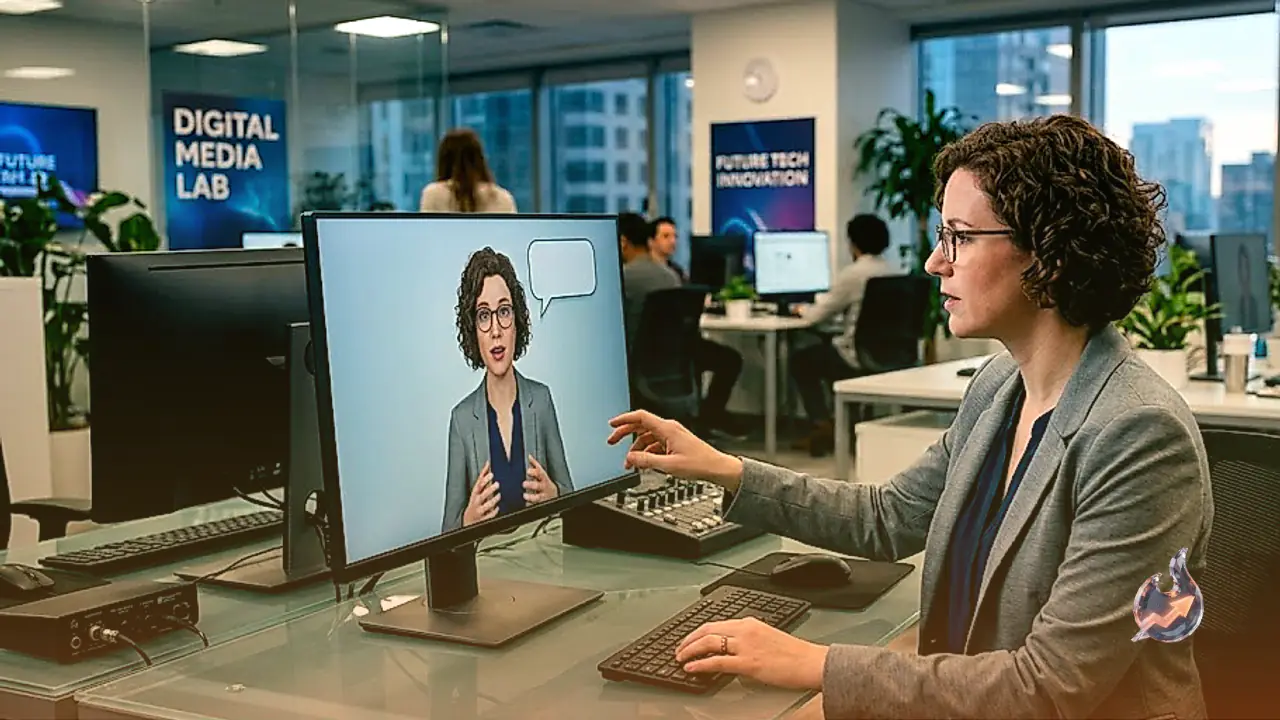



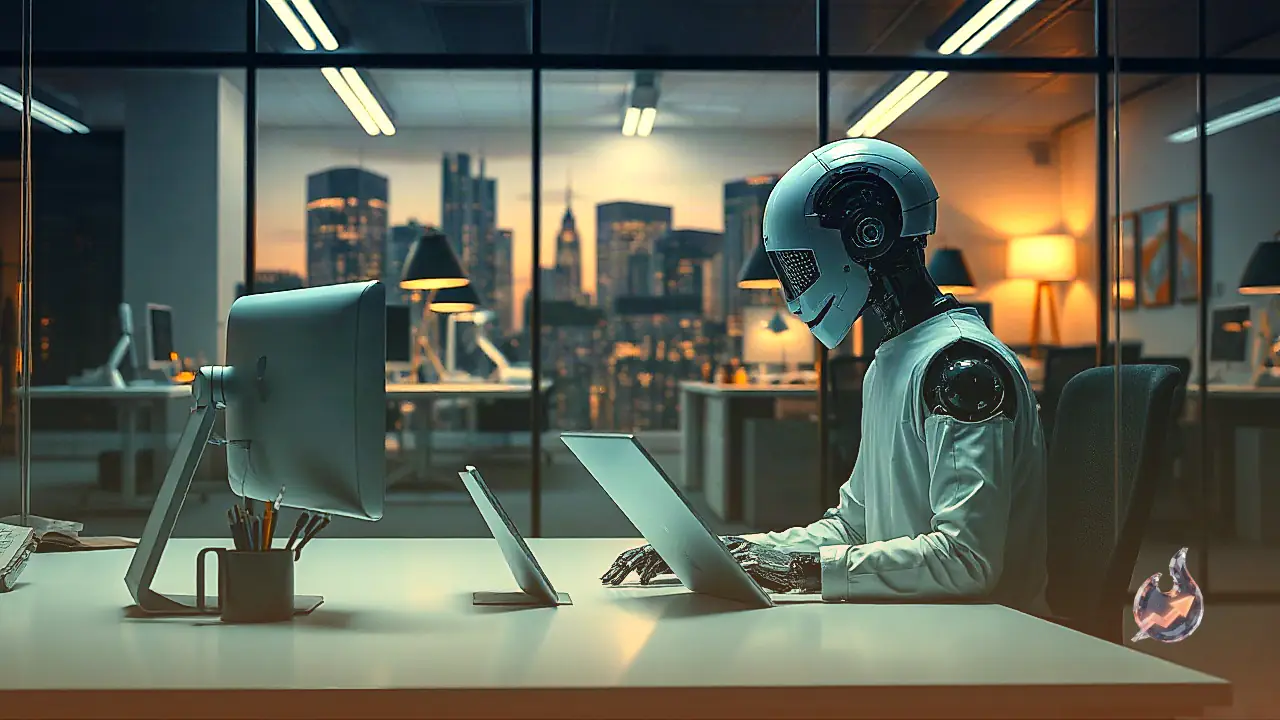



















These new coworkers flooding into offices are not human at all, but rather artificial intelligence agents. Built on large language models and designed to complete tasks completely on their own, the rise of these agents has unleashed a wave of companies selling the services of digital employees. They are marketed as the ultimate worker bees, available around the clock without ever complaining while offering superhuman intelligence.
The Changing Language of the Modern Workplace
Despite this massive rollout, there has been surprisingly little discussion about what these agents are actually like as day-to-day coworkers. Julie Bedard, a Boston Consulting Group partner, noticed this murky vocabulary three years ago when the rapid adoption of ChatGPT convinced corporate executives that the technology would bring massive productivity gains. People simply did not have the right language to describe it, wondering if it was a tool, a teammate, or an actual coworker.
When platforms like Microsoft Copilot and Google Gemini for Workspace launched in 2023, they were positioned primarily as software tools for regular employees. However, a poll conducted in January by Julie Bedard and her colleagues surveying 1,261 managers found that 22 percent of organizations had already added AI agents to their corporate organizational charts. That percentage is expected to climb as dozens of startups offer digital workers and big tech firms aggressively market autonomous systems. For example, Microsoft launched an agent named Scout in June to handle tasks like rescheduling meetings and drafting emails.
Omar Shahine, corporate vice president of Microsoft Scout, remarked upon its release that the whole point of hiring a digital assistant is having someone working while you are offline. The ultimate success of these autonomous agents relies not just on generating financial returns, but on their ability to integrate smoothly alongside human teams.
Human-Like Traits and Emotional Connections
To encourage this harmony, companies deliberately package AI agents with human-like traits that prompt workers to anthropomorphize their new digital colleagues. Dhruv Amin, CEO of the vibe coding startup Anything which launched a platform called Skydive in August, notes that people quickly start respecting the agent and forming strong emotional attachments, even talking about them just like humans.
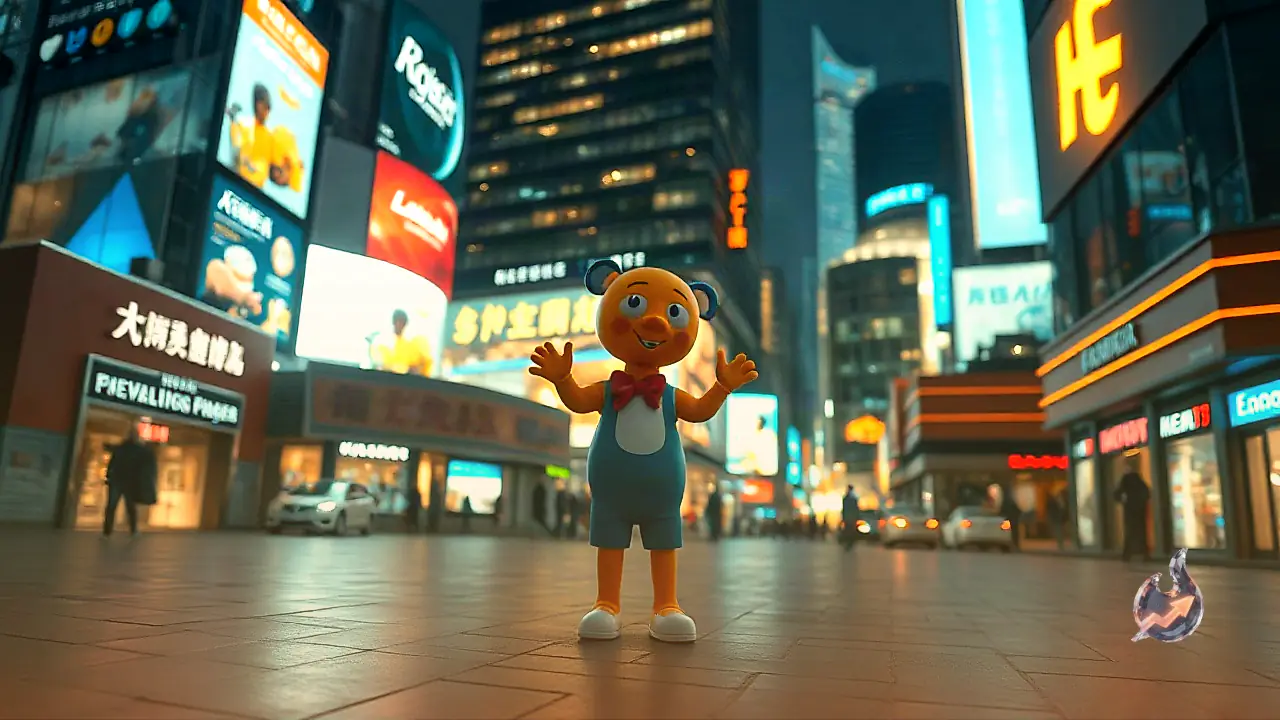
Skydive agents are distinct workflows equipped with their own names, specific roles, and dedicated cloud computers that operate across Slack, email, and iMessage. Each agent features a playful muppet-esque avatar that feels close to human without crossing the line. Their names typically reflect their specific duties, such as Canary, an agent that monitors production around the clock. Dhruv Amin explains that personifying them helps because many users still struggle to understand what an autonomous agent actually does.
Automating Daily Busywork in Offices
Christine Wendell, CEO of Pronto Housing and an early adopter of Skydive, relies heavily on agents to manage endless administrative chores like drafting contracts, coordinating schedules, and sending customer follow-ups. These digital agents function essentially as flawless employees who embed directly into workplace communication channels while continuously adapting to match communication styles, requests, and feedback.
When Pronto engineering teams started working with a coding agent, employees openly mentioned collaborating directly with an agent named Alice on specific projects. Part of the core appeal is that these digital entities stand completely outside office politics and professional anxieties. When Bob, an agent serving as Christine Wendell's chief of staff, accidentally posted calendar details in a public Slack channel, she felt no need to sugarcoat her correction, noting that she treats the agent in ways she never would a human colleague due to basic politeness.
User Experience and Psychological Risks
Other platforms like Muse use cute, fuzzy avatars where users interact by texting task requests while receiving thumbs-up emoji acknowledgments in the background. While these familiar interactions make the tools approachable, anthropomorphizing artificial intelligence introduces distinct workplace risks. Research from Boston Consulting Group revealed that when managers believed work was completed by an AI employee rather than an impersonal software tool, they missed 18 percent more errors.
Julie Bedard points out that these agents do not fit neatly into traditional human boxes regarding their strengths and weaknesses, leaving companies struggling to establish proper guardrails. Forming deep emotional connections with artificial intelligence is nothing new, as people have spent years dating chatbot companions. Even tech leaders have confessed to unusual reactions, such as Henry Blodget, founder of Business Insider, writing about experiencing a human response to the headshot of an attractive AI colleague.
Sarah Franklin, CEO of human resources firm Lattice, harbors deeper existential concerns. Lattice integrated digital employees into their organizational chart two years ago before the concept gained mainstream traction, emphasizing accountability rather than encouraging workers to treat software as human. She warns that such anthropomorphism is a deliberate strategy by tech companies to hook users on dopamine triggers, potentially causing detrimental neurological and behavioral consequences for the human workforce.