























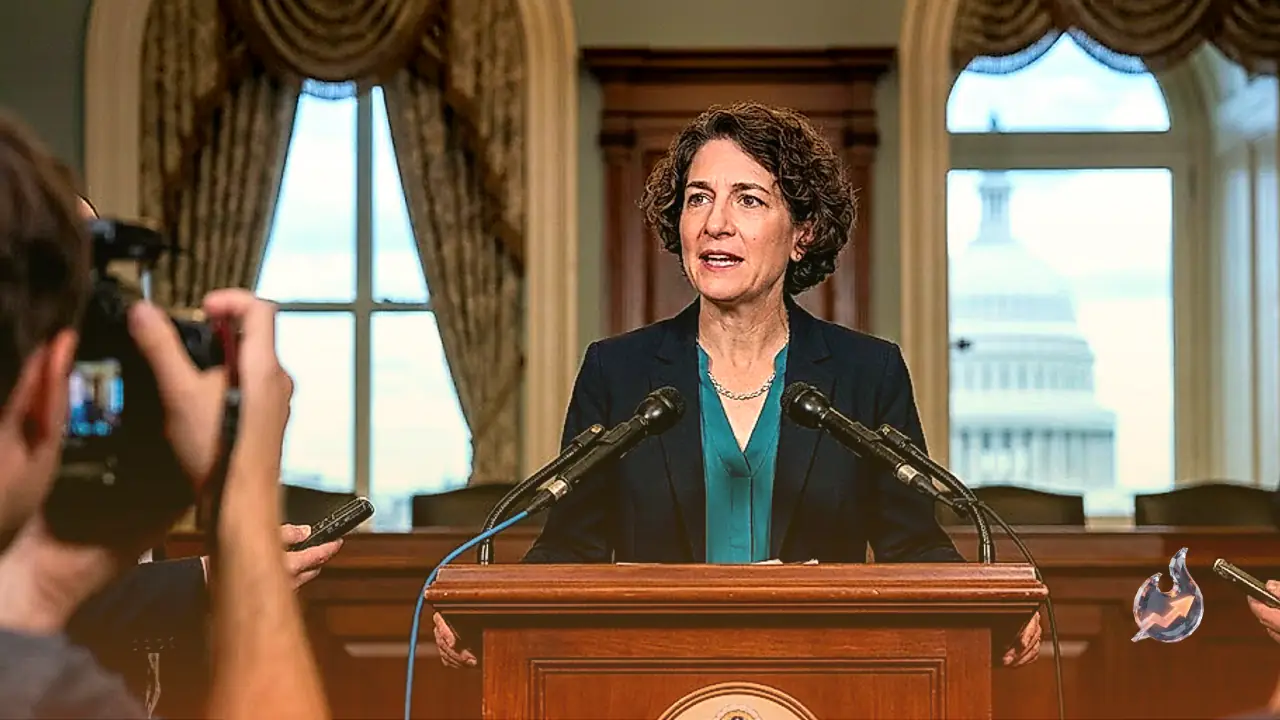

A major legislative move has been initiated in the United States to address the rising emotional dependency of teenagers on artificial intelligence chatbots. US Democratic Party Representative Becca Balint has introduced a new bill titled the Addictive Design Act. The primary objective of this proposed legislation is to prevent technology companies from deploying features designed to make children emotionally dependent on technology or foster digital addiction. This measure comes at a crucial time when a growing number of American teenagers are turning to automated conversational agents during periods of emotional distress and mental health challenges.
Mental Health Concerns and Legislative Warnings
According to information released by Balint's office, most existing chatbots are not properly trained to handle complex emotional or psychological situations. Consequently, heavy reliance on these automated tools during times of distress can severely impact adolescent cognitive development and overall mental well-being. Highlighting the predatory practices of tech firms, Balint stated that technology companies have spent years developing methods to capture user attention and maximize screen time, but such practices cannot be tolerated when it comes to teenagers.
Restricted Features Under the Proposed Legislation
The Addictive Design Act specifically targets several interface mechanisms known to drive compulsive usage patterns among minors. Under the proposed law, companies will be strictly prohibited from offering chatbots to minors if the software includes features prone to causing addiction. The banned elements include typing indicators, avatars, the reuse of historical conversation data, requirements for payment or continuous interaction to sustain a conversation, chat sessions extending beyond two hours, and software programs designed to impersonate real human beings.
Financial Penalties for Regulatory Non-Compliance
To enforce compliance, the bill establishes severe financial consequences for tech companies that breach these safety parameters. Tech platforms found violating the regulations face civil penalties of up to $5,000 per minor user. Furthermore, companies that fail to provide necessary data required for independent research face substantial fines of up to $10 million.
Research Funding, Awareness, and Expert Opinions
The legislation also mandates the creation of a specialized interagency task force to examine mental health issues associated with AI chatbot usage. To support scientific inquiry, the bill allocates $3 million toward academic research. Additionally, $5 million is designated for public awareness initiatives aimed at educating parents and educators on how to identify early signs of AI addiction in children.
Endorsing the legislative efforts, Rachel Madley, Executive Director of the Center for Health and Democracy, emphasized that AI chatbots must never be designed to foster emotional attachment in young users. Similarly, Dr. Marketa M. Wills, CEO and Medical Director of the American Psychiatric Association, noted that while AI can assist in providing mental health resources, it can never replace the fundamental doctor-patient relationship. If enacted, this legislation will establish unprecedented safety standards for tech companies managing conversational software for young audiences.