























Electric vehicles operate on a fundamentally different mechanical architecture compared to traditional internal combustion engine automobiles. The absence of engine oil, spark plugs, complex gearboxes, and exhaust systems often creates a false perception that these vehicles require zero routine attention. However, consistent and disciplined upkeep remains vital to guarantee operational safety, maintain driving range, and extend the lifespan of primary components. With conscientious handling, an electric vehicle battery pack can reliably deliver service for 12 to 15 years. Owners must dedicate particular attention to five core areas: battery health, tire pressure, braking hardware, thermal cooling systems, and onboard software.
Establishing a routine monthly inspection schedule protects vehicle owners from sudden and exorbitant repair bills. Adhering strictly to original equipment manufacturer guidelines and scheduling diagnostic evaluations at authorized service centers preserves peak operational performance while keeping electricity consumption optimal. A methodical maintenance regimen ensures that an electric vehicle remains cost-effective and environmentally friendly across its operating lifespan. By implementing these five strategic maintenance steps, drivers can keep their electric cars running smoothly for years.
Regulating Daily Battery Cycles and Charging Habits
The traction battery pack represents the single most valuable and technologically intricate component of any electric car. For everyday commuting, keeping the charge state consistently between 20 percent and 80 percent provides the ideal operating window. Regularly charging the battery to 100 percent or allowing it to drain down to zero percent subjects the internal chemistry to elevated thermal and physical stress. Fast charging should also be utilized selectively, primarily during highway journeys, because high-power DC input generates substantial internal heat. Parking the vehicle in shaded areas shields the pack from external temperature spikes, while installing periodic firmware updates stabilizes battery health and range predictions.
Monitoring Premature Tire Wear and Wheel Alignment
Electric cars carry significantly more curb weight than their gasoline counterparts due to heavy battery packs, and their electric motors deliver instant torque directly to the wheels. This performance dynamic subjects tires to accelerated friction and wear. Checking tire pressure on a monthly basis is essential, as proper inflation pressure directly preserves range and reduces uneven tread wear. Tire rotations should be conducted systematically every 8,000 to 10,000 kilometers. Whenever uneven wear patterns become apparent, suspension alignment must be examined immediately. Selecting specialized EV-rated replacement tires with low rolling resistance properties ensures optimal efficiency and lower road noise.
Inspecting Mechanical Brakes Alongside Regenerative Systems
The presence of regenerative braking, which reverses motor polarity to capture kinetic energy during deceleration, reduces physical brake pad wear dramatically. Nevertheless, this reduced physical friction introduces a secondary issue: corrosion and rust accumulation on rarely stressed components. Vehicle owners should have brake pads, calipers, and brake discs thoroughly inspected at least once a year. Brake fluid absorbs moisture from the atmosphere over time and must be completely flushed and replaced every two to three years. Actively engaging the mechanical friction brakes during routine drives clears surface rust and ensures reliable stopping power during sudden emergency stops.
Overseeing Digital Software Updates and Thermal Coolant
Modern electric automobiles function largely through sophisticated onboard computing systems. Manufacturers distribute over-the-air software updates that refine battery management algorithms, motor efficiency, and safety systems. Applying these updates promptly prevents operational glitches. Simultaneously, the battery pack liquid cooling circuit requires scheduled checks to verify fluid levels and prevent thermal runaway risks. Some vehicle platforms require complete coolant replacement at designated long-term mileage intervals. Additionally, replacing the cabin air filter every year or every 15,000 kilometers keeps the ventilation system clean and prevents unnecessary power draw from the climate control unit.
Maintaining Charging Infrastructure and Yearly Overhauls
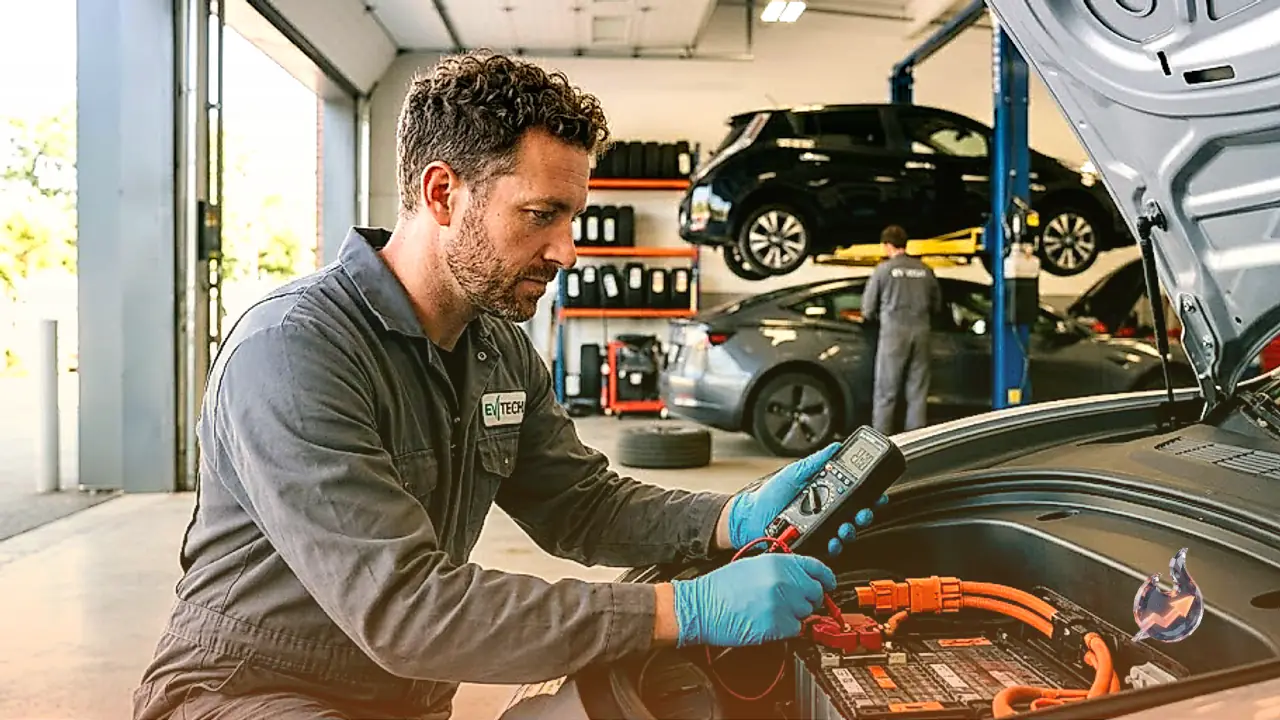
Physical charging ports and connection cables must remain clean, dry, and free of debris. Dirt buildup or connector pins showing signs of physical wear can cause charging speeds to throttle down or disrupt power transmission. The secondary 12-volt auxiliary battery, which powers startup sensors and vehicle accessories, requires routine voltage checks. Consumables such as windshield wiper blades and washer fluid reservoirs should be maintained regularly. Finally, scheduling a comprehensive annual vehicle service covering suspension bushings, steering components, and external lighting guarantees that the vehicle operates safely and with maximum energy efficiency.