





















The year 1983 marked a historic turning point for Indian defence research when the Integrated Guided Missile Development Programme was founded under the leadership of Dr. APJ Abdul Kalam. This sweeping initiative set out to build five distinct indigenous missile systems: Prithvi, Agni, Akash, Nag, and Trishul. Named after the mythical trident known for unerring precision, Trishul was conceived as a comprehensive rapid-response defence shield for the Indian Army, Navy, and Air Force. The primary mandate was to engineer a quick-reaction surface-to-air missile capable of identifying, engaging, and neutralizing hostile fighter jets, combat helicopters, and incoming low-altitude anti-ship missiles within moments of detection.
Design Capabilities and the Initial Flight Success
Trishul was architected specifically to engage targets flying at low altitudes and short operational distances. In its initial design phase, the missile boasted an operational range between 9 and 12 kilometres, coupled with a flight velocity approximately twice the speed of sound. Its mission parameters were tailored to destroy approaching low-flying strike aircraft and supersonic sea-skimming threats before they could strike critical assets. On June 5, 1989, Trishul achieved its first successful flight trial from the coastal testing grounds of Chandipur. During this evaluation, the solid propellant motor functioned flawlessly, enabling the missile to intercept and destroy its decoy target. This benchmark proved that India possessed the foundational capability to match advanced nations in surface-to-air missile engineering.
The Sea-Skimming Hurdle and Radar Signal Scatter
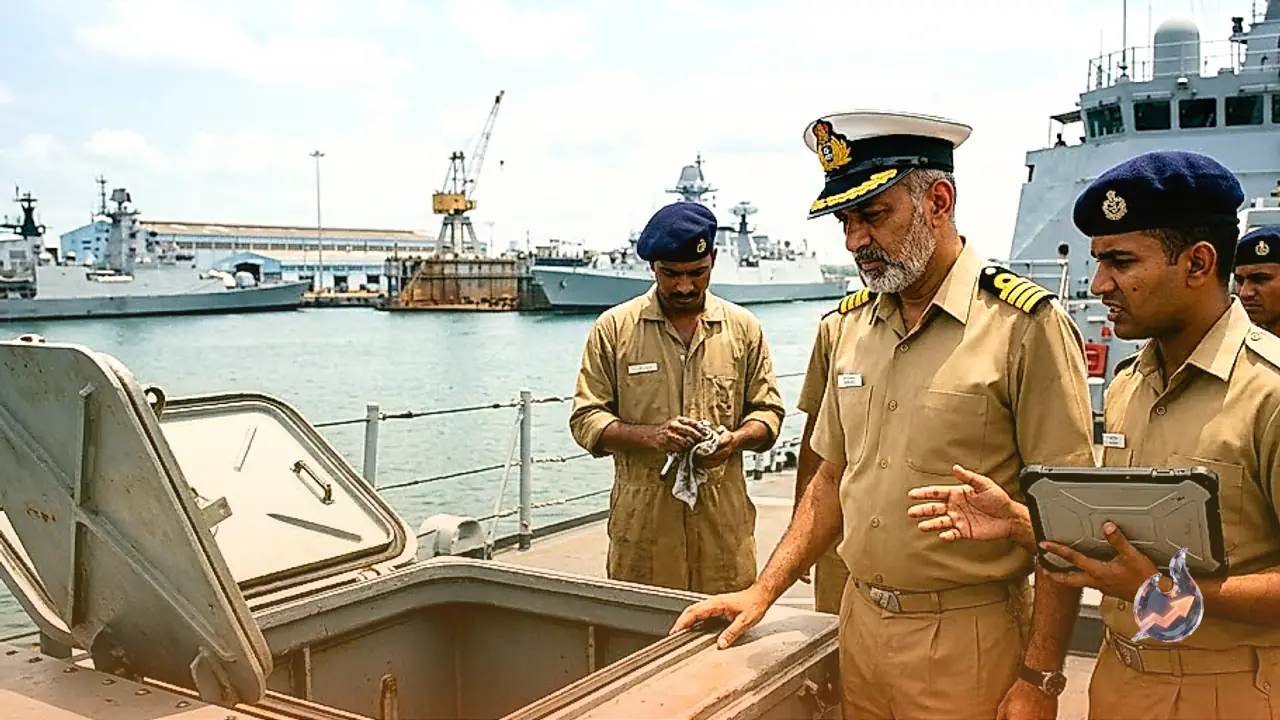
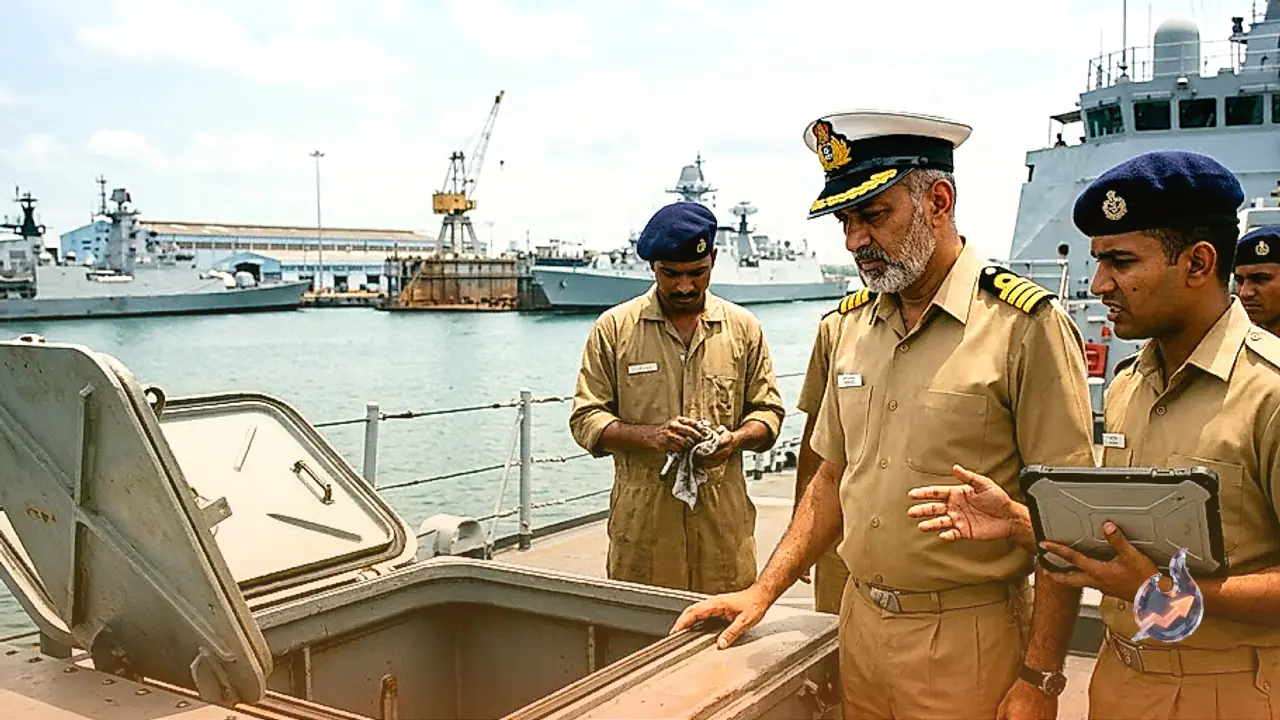
Despite early aerodynamic milestones, the program encountered its most punishing engineering hurdle during maritime assessments conducted for the Indian Navy. Naval warfare demanded an interceptor capable of defeating sea-skimming cruise missiles skimming merely metres above turbulent ocean waters. In this operational theater, the physical environment severely degraded electronic guidance. Radar signals scattered upon striking undulating ocean swells, causing Trishul's command guidance mechanism to lose tracking lock as the missile neared the water surface. The naval command required pinpoint interception decisions executed within tenths of a second, but Trishul's tracking radars and guidance algorithms repeatedly faltered when navigating the reflections and clutter of the marine interface.
Eighty Flight Tests and the Acquisition of Barak-1
Over the course of its extended trial run, development teams conducted more than 80 test launches and explored multiple engineering iterations. While the missile achieved performance benchmarks that met terrestrial and air force thresholds, it could not consistently conquer the rigorous precision parameters demanded for maritime point defence. In parallel, sibling programs under the IGMDP umbrella, notably the Prithvi and Agni series, systematically progressed through trials into full operational service across frontline forces. In the aftermath of the 1999 Kargil conflict, operational readiness took precedence, leaving no latitude for prolonged development cycles. Faced with recurring guidance roadblocks in Trishul, the Indian Navy initiated alternatives and ultimately procured the Barak-1 missile system from Israel, dealing a decisive blow to Trishul's operational induction.
Reclassification as a Technology Demonstrator
By the late 2000s, the evolving tactical requirements of modern warfare had outstripped the existing parameters of the Trishul design. Confronted with decades of developmental setbacks, escalating financial costs, and diminishing operational enthusiasm from the armed services, the Defence Research and Development Organisation and the government reached an administrative verdict during 2007-08. Trishul was formally decommissioned as an active production weapon system and designated as a technology demonstrator. Under this classification, the hardware would not join frontline arsenals, but the accrued intellectual property, avionics data, and engineering achievements would serve as core building blocks for subsequent military platforms.
Technological Legacy and Foundations for Barak-8
Military engineering programs often provide profound long-term dividends even when the initial test vehicle does not see direct deployment. Trishul played an indispensable role in establishing the domestic foundation for high-performance rocketry and target acquisition. The solid rocket motors fabricated for the interceptor mastered rapid-acceleration propulsion profiles essential for short-range air defence. Furthermore, debugging the software and sensor vulnerabilities encountered during sea trials spurred significant progress in tracking radars and close-in weapon suites. Ultimately, the collaborative development of the Barak-8 missile system between India and Israel drew heavily upon the laboratory research, radar engineering, and propulsion breakthroughs pioneered during the Trishul initiative.