























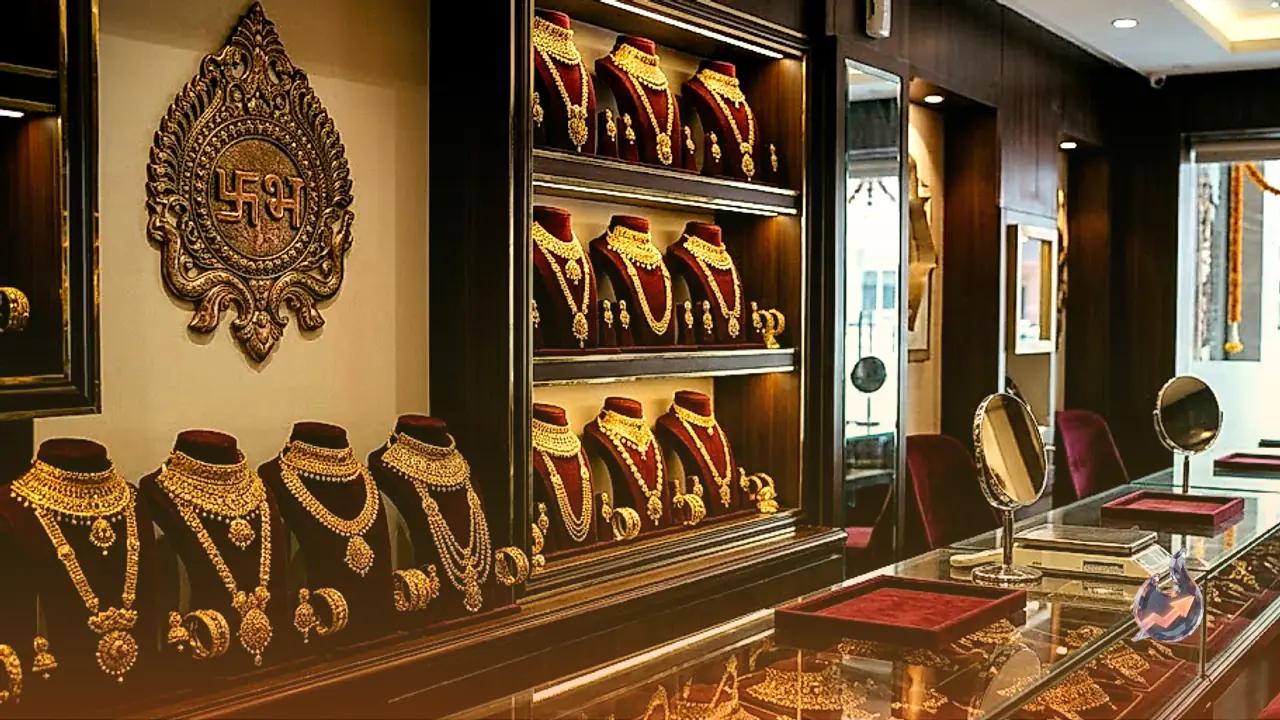

The traditional festive window around Dhanteras and Diwali usually brings an unmistakable surge in Indian bullion markets, but trading floors are displaying an uncharacteristic lull this season. Beyond everyday retail customers hesitating to step into showrooms, the country's most prominent jewelry houses are actively avoiding large inventory purchases. Even after gold prices experienced a steep 24 percent correction across both domestic and international markets, wholesale buyers continue to avoid building substantial stockpiles. In regular market cycles, a notable drop in precious metals triggers heavy accumulation by major retail chains, yet industry leaders are currently adopting a patient wait-and-watch stance. This cautious positioning has ignited widespread speculation among buyers regarding whether bullion is poised to drop even lower in the near future.
Steep Correction Below the 4,000 Dollar Threshold
Price action earlier in the year saw international gold rally beyond a historic peak of 5,400 dollars per ounce in January. Since hitting that record ceiling, the metal has been trapped in a prolonged downturn, wiping away roughly 24 percent of its valuation. Downward momentum accelerated sharply over the past week, dragging bullion beneath the critical psychological barrier of 4,000 dollars per ounce. The prolonged silence and restraint shown by heavyweight bullion houses in the face of such a dramatic collapse have left retail shoppers and market observers questioning the timing of their next move.
The Logic Keeping Major Jewelers on the Sidelines
Explaining this broad institutional hesitation, Samit Guha, Chief Executive Officer and Managing Director of leading bullion refiner MMTC-PAMP India, noted that large domestic jewelry firms are deliberately avoiding aggressive buying. Established bullion market behavior dictates that during a sustained rally, jewelers rush to build inventory to guard against future price hikes. Conversely, when prices enter a defined and sustained downtrend, institutional buyers generally operate under the assumption that the market has not yet established a definitive bottom. Prominent jewelers suspect that prices may slide further, prompting them to hold off until they can secure metal at the lowest possible levels. At present, activity remains restricted to small and mid-sized jewelers purchasing only bare minimum quantities to meet immediate operational requirements.
Import Tariffs and Macroeconomic Considerations
Beyond technical market patterns, domestic policy interventions have played an equally significant role in depressing commercial demand. The central government raised the import duty on gold to 15 percent in May, an adjustment that sharply inflated the landing cost of bullion within the domestic market. Because India imports virtually its entire domestic gold consumption from abroad, high bullion shipments weigh heavily on the country's trade deficit. Aiming to stabilize this external balance, Prime Minister Narendra Modi has routinely called on citizens to curb discretionary purchases and limit non-essential gold imports. With the customs tariff standing at 15 percent, tying up vast financial reserves in physical inventory has become an excessively expensive proposition for organized jewelry chains.
Muted Festive Demand and Shrinking Inflows
The October to December quarter stands as the single most critical commercial window for the domestic jewelry sector, historically driven by the concurrent arrival of Dhanteras, Diwali, and the extensive wedding season. Nevertheless, the visible reluctance among organized market leaders threatens to drag down overall quarterly consumption numbers. Projections released by Citi Research indicate that total gold imports into India across the October to December period could plunge to just 106 metric tons.
Assessing current institutional movement, Samit Guha pointed out that overall sales volumes at MMTC-PAMP have moderated compared to the identical timeframe last year, even though retail buying picked up slight momentum during the first half of October. Industry specialists maintain that the moment international markets deliver credible signs of price stabilization, or initiate an upward reversal from the floor, large jewelry corporations will likely return with substantial procurement orders.