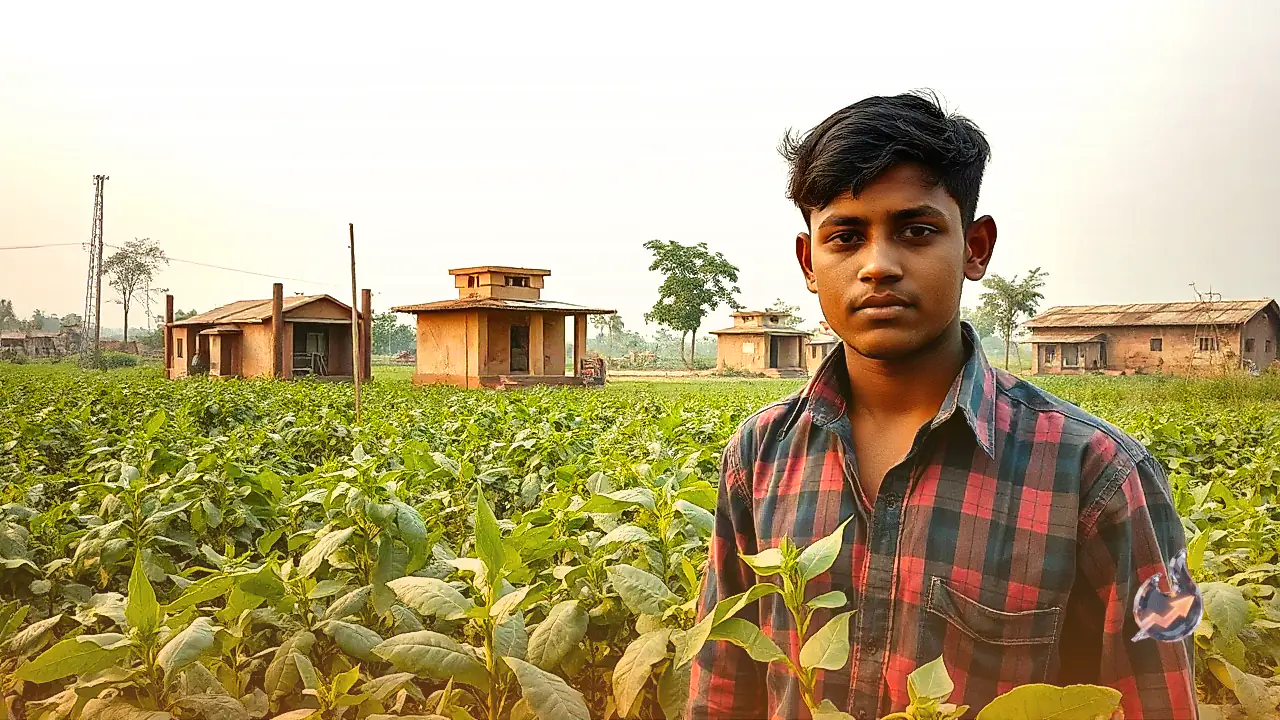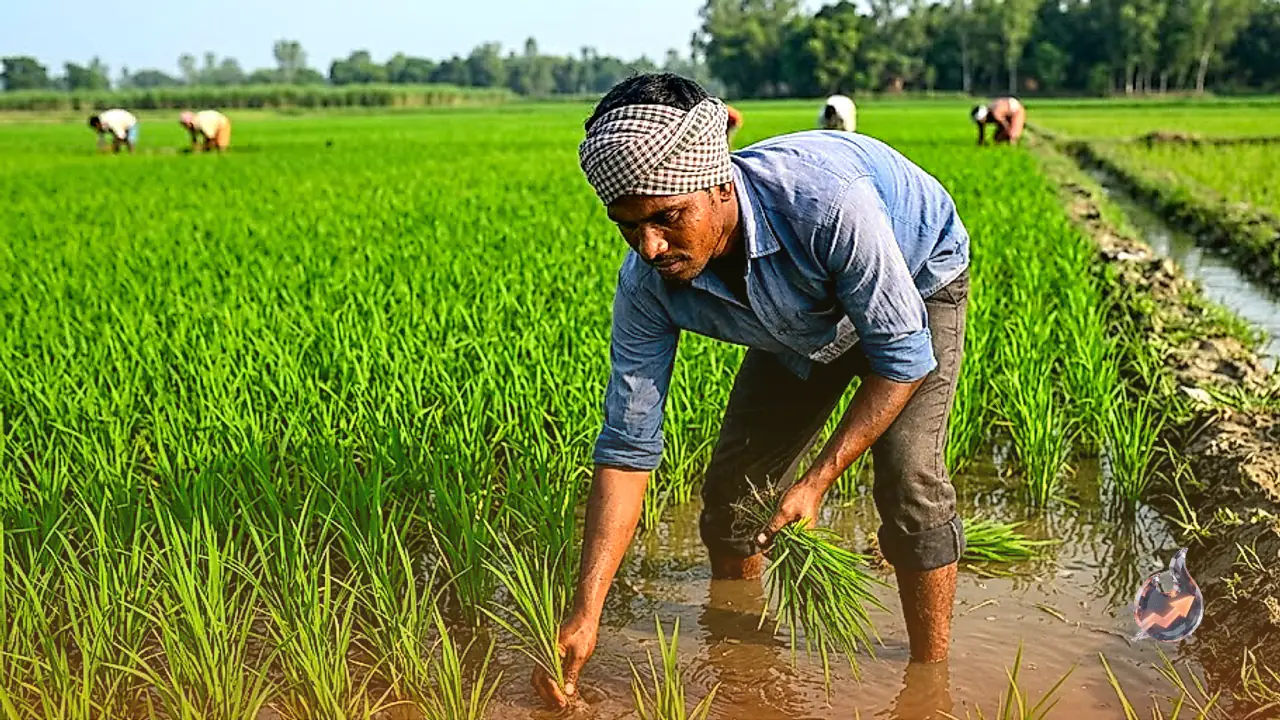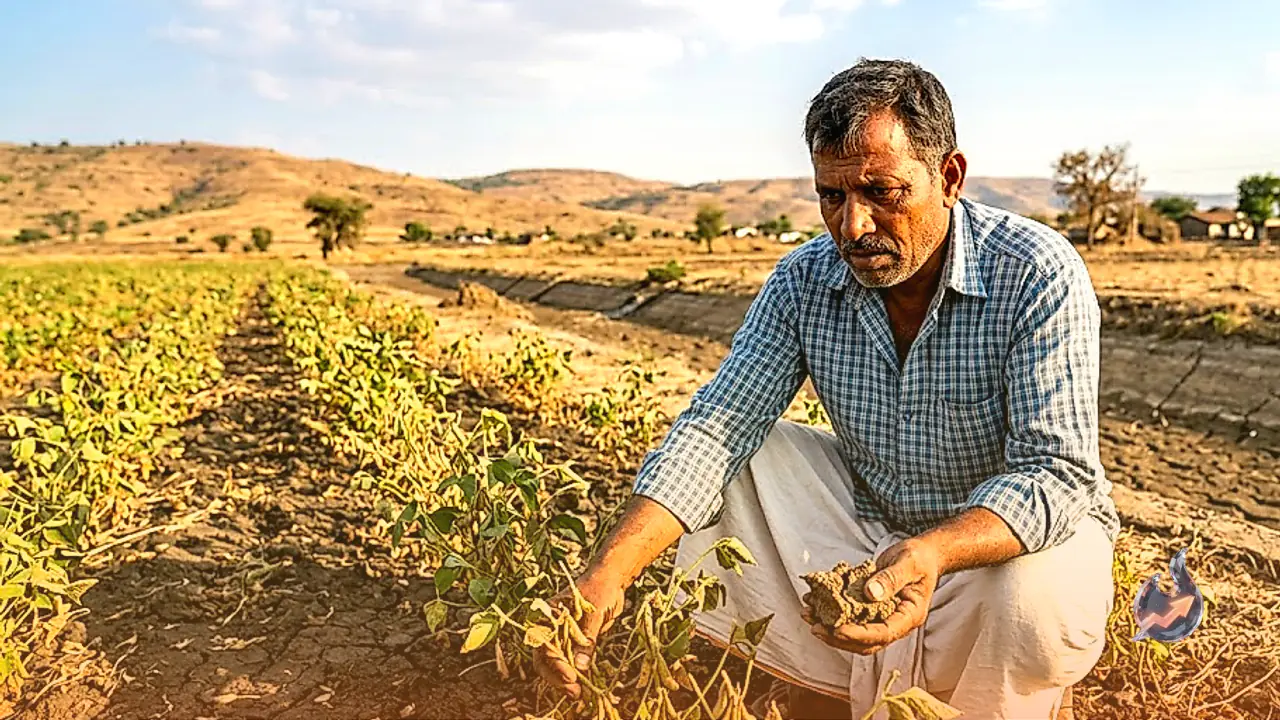






















Potato cultivators in the Firozabad district of Uttar Pradesh are currently grappling with an acute financial crisis. Historically, Firozabad is recognized as a major hub for potato farming, where farmers toil hard year after year and typically reap substantial profits from their harvest. However, the dynamics have shifted drastically this season, leaving local agriculturalists deeply distressed. The prevailing market prices for the newly harvested crop are so dismal that farmers are unable to recover even their primary input costs. Caught in this difficult scenario, many have chosen to bypass immediate market sales and are instead stocking their produce in local cold storage units. They remain hopeful that market rates will appreciate in the coming months, allowing them to salvage at least their initial investments. Nonetheless, this strategy is a complex gamble, as storing the crop adds significantly to their overhead expenses, multiplying their financial risks.
From Sowing to Storage: Detailed Input Costs and Dwindling Returns
Rakesh Kumar, a resident of Kheda Ganeshpur in Firozabad, has experienced the changing patterns of potato farming firsthand over several decades. He inherited this agricultural practice from his father and has been managing the fields ever since. According to Rakesh Kumar, potato cultivation used to be a highly lucrative venture with healthy savings, but the profit margins have now shrunk to almost nothing. The journey of a potato crop from the initial field preparation to its safe placement in a cold storage facility is laden with escalating expenses. These include the costs of deep plowing the fields, sowing the seeds, regular irrigation cycles, harvesting the tubers, and the substantial wages paid to agricultural laborers. Furthermore, the rising prices of chemical fertilizers significantly inflate the overall budget. Rakesh Kumar owns forty bighas of agricultural land, yielding an average of 40 to 50 packets of potatoes per bigha. Calculating all these variable inputs, it costs approximately Rs 400 per packet just to produce and transport the potatoes to the cold storage facility.
The Market Slump and the Burden of Cold Storage Rentals
Elaborating on the ground realities of the crisis, another local farmer, Amit Kumar, shed light on the crop varieties and the severe price disparity in the market. He explained that the 3797 variety of potato is the most widely cultivated across Firozabad. Unfortunately, the current market crash has driven selling prices down to a range of Rs 100 to Rs 350 per packet. When contrasted against the absolute production cost of Rs 400 per packet, this represents a devastating net loss for the farmers. For those attempting to preserve their harvest in cold storage in anticipation of a price recovery, the financial pressure does not ease. Farmers are required to pay a substantial rental fee to these cold storage facilities, which stands at approximately Rs 150 per quintal. This rental cost acts as an additional financial burden on farmers who are already struggling to stay afloat.
The Storage Gamble and the Role of Government Subsidies
Devendra Kumar, another potato farmer from the region, voiced the shared anxieties of the farming community. He noted that the steep drop in market prices, with rates hitting a low of Rs 100 per packet, has forced farmers into a corner. Left with no viable alternative, they have deposited their entire harvest into cold storage units, essentially locking away their capital. Devendra Kumar warned that if market rates do not show a significant upward trend soon, the agricultural community in Firozabad will face an unprecedented financial shock from which recovery will be exceptionally difficult. In the midst of this gloom, a government intervention has offered a modest glimmer of hope. According to operators at the cold storage facilities, a new government scheme has been rolled out to mitigate the crisis. Under this initiative, farmers are being offered a subsidy of Rs 100 per quintal on cold storage rental charges. While farmers acknowledge that this rental subsidy provides some temporary breathing room, they emphasize that it is merely a stopgap measure. The only genuine solution to their plight is the implementation of a fair, standardized market rate that guarantees a sustainable return on their hard work.