























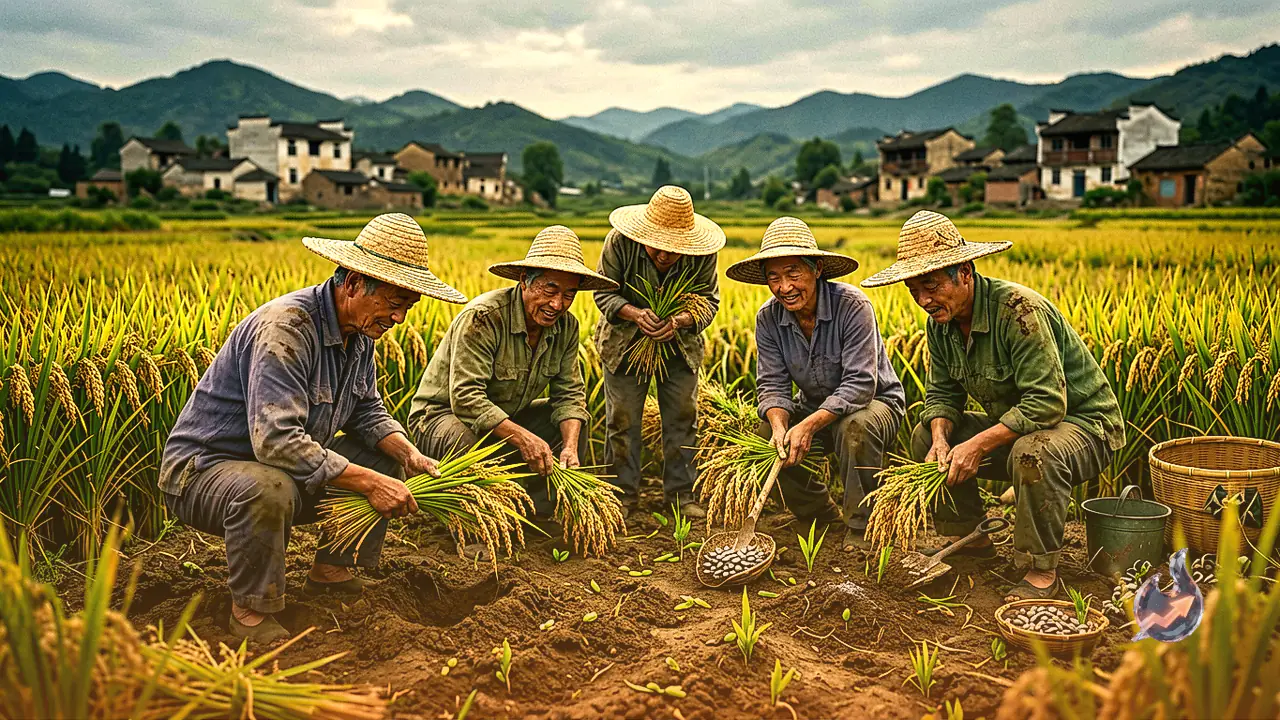

Achieving a bumper harvest in ragi cultivation starts with the careful selection of appropriate soil and land conditions. Light loamy, crumbly soil equipped with efficient drainage systems is considered ideal for this crop. Farmers are advised to complete the sowing process between the middle of June and July so that the plants can establish a strong foundation during the optimal seasonal window.
Selecting High Yield Varieties And Quality Seeds
The success of the harvest heavily relies on choosing high-yielding and regionally adapted seed varieties. Farmers can opt for improved strains like GPU-28 and Mandawa, alongside other certified local seeds known for consistent performance. Purchasing seeds exclusively from trusted sources and verifying their germination capacity prior to sowing ensures uniform crop growth and robust development.
Seed Treatment For Disease Prevention
Protecting young seedlings from seed-borne diseases during their earliest developmental stages requires proper chemical treatment before sowing. Carbendazim is commonly utilized for this purpose. Mixing the seeds thoroughly with the recommended quantity of carbendazim and drying them in the shade helps suppress pathogenic fungi, thereby safeguarding the initial growth phase of the plants.
Maintaining Proper Sowing Seed Rates
For an acre of land, approximately 4 to 5 kilograms of seeds is considered the optimal amount for ragi cultivation. Exceeding this seed rate triggers unwanted competition among seedlings for resources, while under-seeding leads to sparse plant distribution. Line sowing is strongly recommended because it allocates adequate space, air, and nutrient access to every individual plant.
Thorough Field Preparation Techniques
Preparing the land properly prior to sowing is an indispensable step toward a successful yield. The field should be plowed two to three times to break up hardened soil layers and achieve a fine, leveled texture. This creates a welcoming environment for seed germination and deep root penetration. Adequate drainage channels must also be established because ragi crops are highly sensitive to waterlogging.
Benefits Of Line Sowing Methods
Executing the sowing in orderly lines yields much better results than random scattering. Maintaining a distance of roughly 25 centimeters between adjacent rows provides plants with optimal room for sunlight, airflow, and nutrient absorption. Additionally, structured line spacing simplifies weed control, hoeing operations, and overall crop management throughout the growing season.
Managing Irrigation And Moisture Levels
Ragi crops do not demand excessive water, but maintaining regulated soil moisture during critical growth stages is vital. Natural rainfall typically fulfills water requirements, but dry spells necessitate light supplemental irrigation. Water scarcity must be strictly avoided during panicle emergence and grain formation stages, while stagnant water must be prevented from accumulating to protect the root system.
Balanced Fertilizer And Nutrient Application
Supplying essential nutrients such as nitrogen, phosphorus, and potassium in balanced proportions dictates the ultimate quality of the harvest. Nitrogen drives vegetative growth, phosphorus strengthens root systems, and potassium enhances stalk sturdiness and grain development. Fertilizer quantities should ideally be determined through soil testing and local agricultural expert consultations to prevent lodging caused by excessive nitrogen.