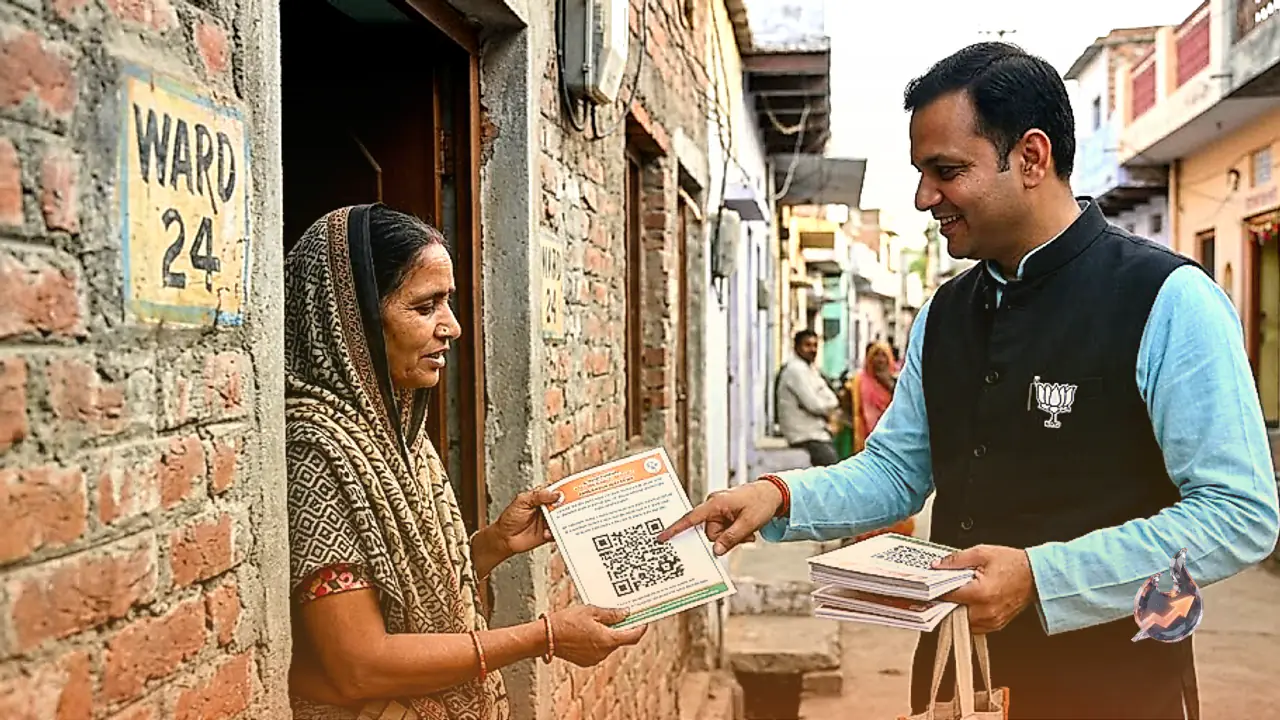


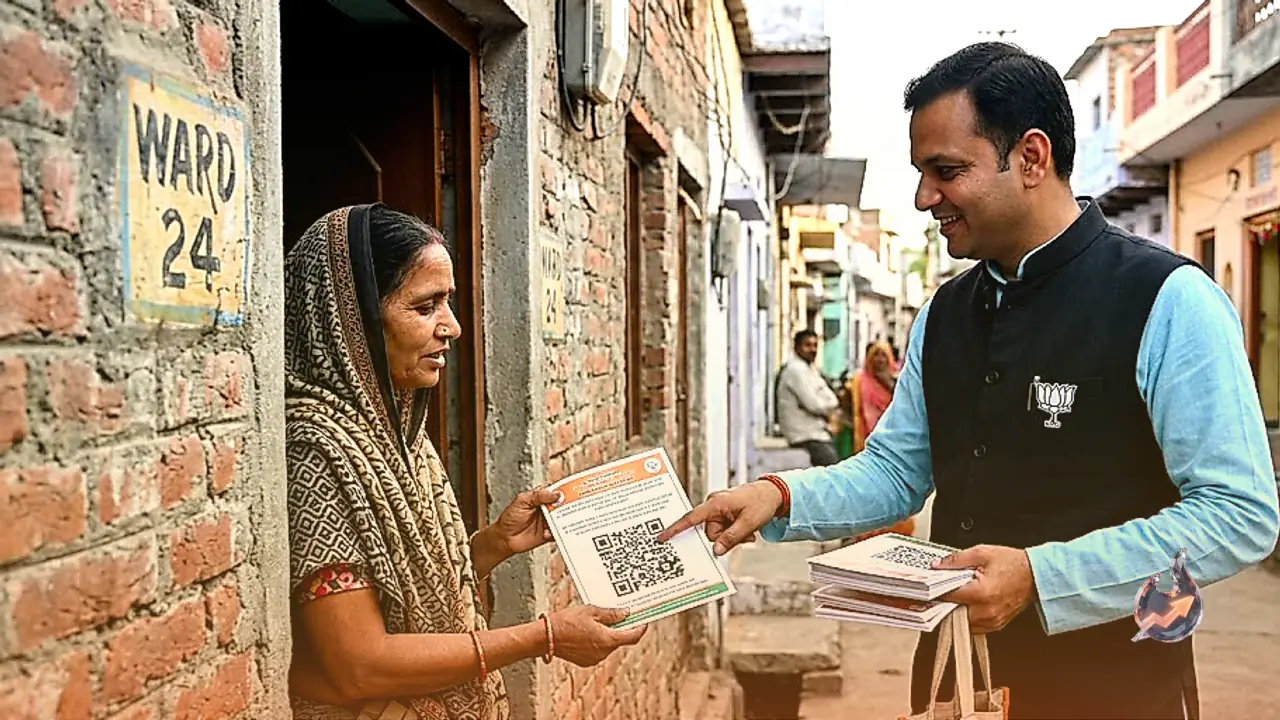















The election campaign trail across Rajasthan's municipal wards is winding down, and in the hours before voters step into the booth, the loudspeakers, street rallies and door-to-door canvassing that filled the state for weeks are set to fall silent. What follows next rests entirely with the voter, alone with a ballot and a decision.
Two Phases, One Counting Day
Rajasthan is choosing councillors for 309 urban local bodies through this election, spanning a total of 10,245 wards across the state. Because of the scale involved, the polls are being conducted in two separate phases. The first phase of voting will be held on September 9, and the second phase follows on September 11. On both days, polling booths will remain open from 7 am to 6 pm. Once voting closes in both phases, all ballots will be counted together on September 14, the day that will finally reveal the outcome for every single candidate in the fray.
Phase One: Alwar, Bharatpur, Bikaner, Bhilwara and Jaipur District
The first phase, scheduled for September 9, will decide 5,425 wards spread across 162 urban local bodies. This phase includes the districts of Alwar, Bharatpur, Bikaner and Bhilwara, along with 18 local bodies located within Jaipur district itself. As per Election Commission rules, campaigning has to stop exactly 48 hours before polling begins in any area, which means all election campaigning in these first-phase constituencies will come to a complete halt by 6 pm on September 7. The same cut-off point also brings a dry day into force, under which the sale and distribution of liquor will remain entirely banned from 6 pm on September 7 right through to 6 pm on September 9.
Phase Two: Jaipur, Jodhpur and the State's Biggest Municipal Corporations
The second phase, on September 11, is the bigger and more closely watched of the two, covering 4,820 wards across 147 urban local bodies. This is the phase that includes some of Rajasthan's most prominent municipal corporations, namely Jaipur, Jodhpur, Kota, Ajmer, Udaipur and Pali. In the state capital itself, voting in all 150 wards of Jaipur will take place on September 11, which means campaigning in Jaipur city must stop by 6 pm on September 9, two days earlier. The same strict 48-hour silence period and dry-day restrictions that apply to phase one will be enforced with equal rigour here.
What Cannot Happen During the 48-Hour Silence
The 48 hours that follow the end of campaigning are treated as the most sensitive and closely monitored window of the entire election process. During this period, no public meeting, rally or procession of any kind is permitted to be organised anywhere in the constituency. Candidates and parties are also barred from using loudspeakers or any other means of mass contact to reach voters. In effect, every public activity that could sway a voter's decision, whether directly or indirectly, has to come to a complete stop until polling is over.
The Real Verdict Now Belongs to the Voter
Once the campaign noise dies down, every promise, claim and counter-claim that candidates made over the past several days faces its real test, not from a stage but inside the privacy of a voter's own mind. The platforms that once echoed with leaders' speeches go quiet, and no political party is left with any fresh move to win over the electorate before the polls open. In this enforced silence, each voter alone decides whom to trust with their vote, whom to make their representative, and whom to hold accountable for the development of their own ward.
With the high-voltage campaigning for Rajasthan's civic body elections now approaching its final hours, the contest has effectively passed out of the candidates' hands and into the voters'. It is only after the counting of votes on September 14 that it will become clear whose strategy actually worked, and which candidates the public has sent back home.