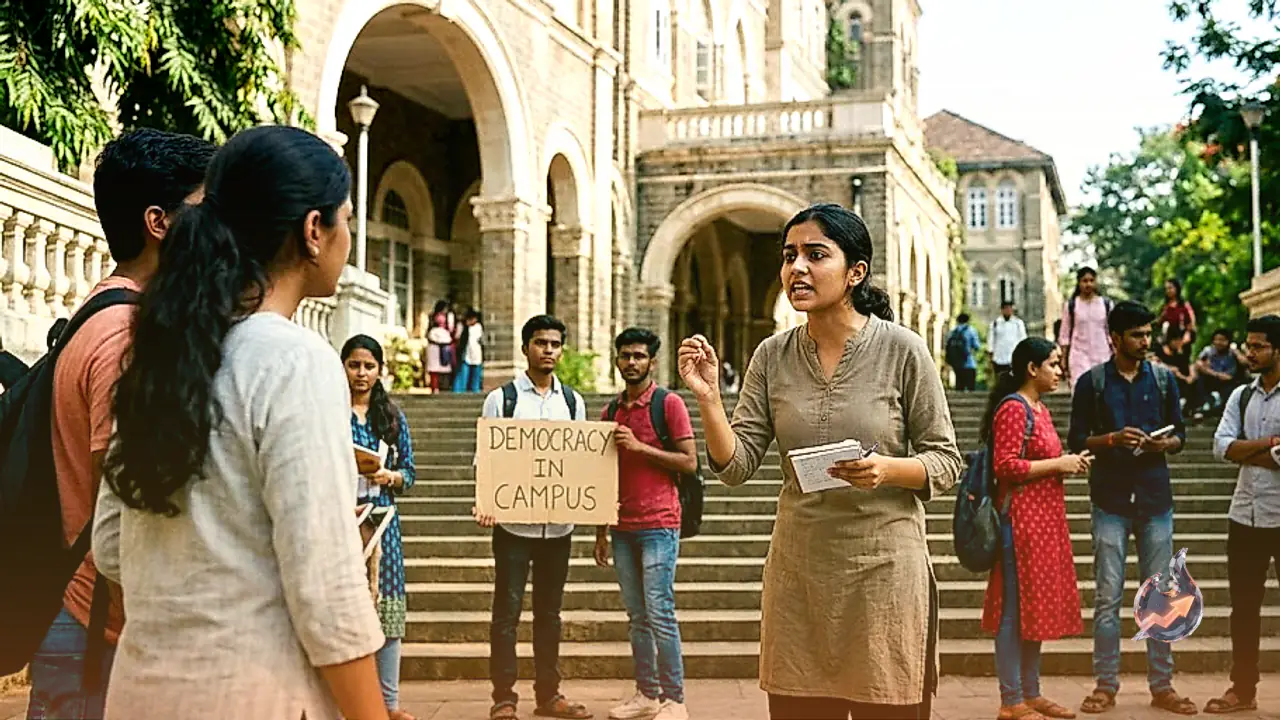















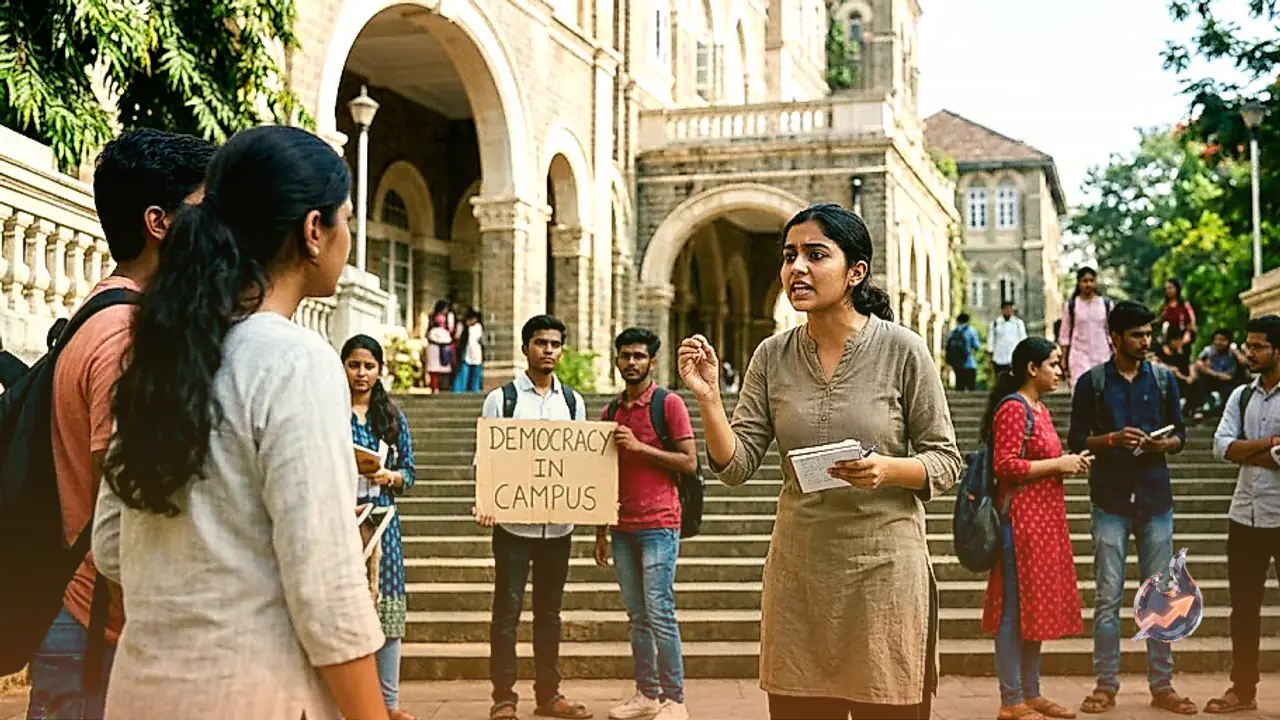

Student union elections in higher education institutions across Maharashtra may soon make a comeback as the state government takes concrete steps toward their revival. A newly formed special committee has been tasked with designing the framework for conducting polls in universities and colleges, raising hopes among students who have never experienced voting for their campus representatives.
Formation and Mandate of the Committee
The Department of Higher and Technical Education has constituted a twelve-member committee headed by former Mumbai University vice-chancellor Professor Suhas Pednekar. The panel has been given a timeframe of one month to submit its comprehensive report. The primary objective of this exercise is to establish a peaceful, transparent, and inclusive electoral system while incorporating measures to insulate campuses from external political interference and commercial influences.
Historical Context and Past Precedents
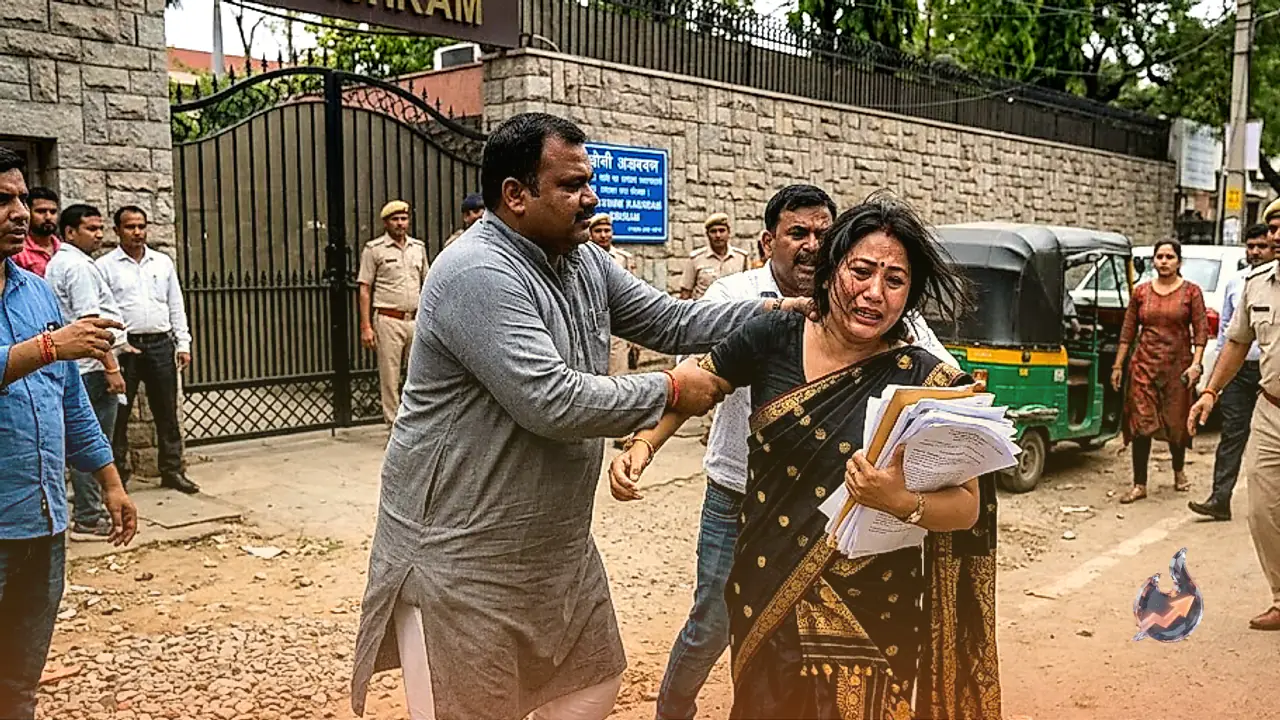
The history of student union elections in Maharashtra spans over three decades, with students last casting their votes to choose representatives in college and university polls back in 1993. Following that period, growing concerns over campus violence and heavy intervention by outside political organizations led to a complete freeze on the electoral process. A major catalyst for this freeze was a violent incident in 1989 outside a Mumbai college where NSUI student leader Owen D’Souza was murdered during election campaigning. Subsequent worries regarding the heavy use of money and muscle power prompted the enactment of the Maharashtra Universities Act in 1994, which formally barred direct and competitive student elections.
Legislative Efforts and Previous Stalls
Serious efforts to restore campus elections began gaining momentum during the 2010s, with all-party discussions taking place between 2013 and 2014 to explore the feasibility of reinstating polls. Subsequently, in 2016 under the tenure of the Devendra Fadnavis government, the Maharashtra Public Universities Act paved the way for elected student councils, aiming to grant students the right to choose their representatives across campuses. To curb the influence of money and muscle power, multiple safeguards inspired by the Lyngbodh committee recommendations were proposed, covering candidate eligibility, attendance norms, spending limits, codes of conduct, and grievance redressal mechanisms.
Why the 2019 Elections Were Deferred
Detailed rules for the legislation were framed in 2018, and universities initiated preparations for elections by 2019, marking the prospect of campus voting after nearly twenty-five years. However, shortly before the polls could take place, the government decided to defer them in August 2019, citing law and order concerns and a clash in scheduling with the assembly elections held that same year. The onset of the COVID-19 pandemic and subsequent shifts in the state political landscape pushed the issue further into the background, preventing the rescheduling of the polls.
Recent Student Protests and Renewed Discussions
Discussions regarding student union elections have resurfaced at a time when students and youth across various parts of Maharashtra have taken to the streets over educational and systemic concerns. In July, widespread protests erupted across the state over controversies linked to the NEET examinations, followed by demonstrations on the IIT Bombay campus in September following the death of twenty-year-old student Sahil Wakode. Students raised demands for modifications in the institution's grievance and disciplinary frameworks, while investigations into allegations raised by Sahil's family continued.
Key Mandates and Structural Changes
The committee headed by Suhas Pednekar is not limited to deciding election dates but is entrusted with formulating an entire electoral blueprint. The agenda includes evaluating ways to restrict external political interference, managing and auditing student council funds, organizing training programs for elected representatives, establishing digital systems for nominations and verification, and implementing technical mechanisms for grievance redressal. The panel will also consider frameworks for adequate representation of women students, reserved categories, and participants in NSS, NCC, sports, and cultural activities. The committee includes former vice-chancellors, pro-vice-chancellors, principals, university officials, and a senior legal officer, with Mumbai University registrar Dr. Prasad Karande serving as the member-secretary.
The Challenge of Keeping Campuses Apolitical
The foremost challenge in restoring student union elections remains determining how effectively campus electoral politics can be insulated from the influence of mainstream political parties. While the Lyngbodh committee guidelines had previously emphasized minimizing outside political entry into student polls, practical implementation remains a complex task. The committee's upcoming report is expected to outline robust measures to ensure that student politics can return to campuses with its core objective of student welfare intact.