
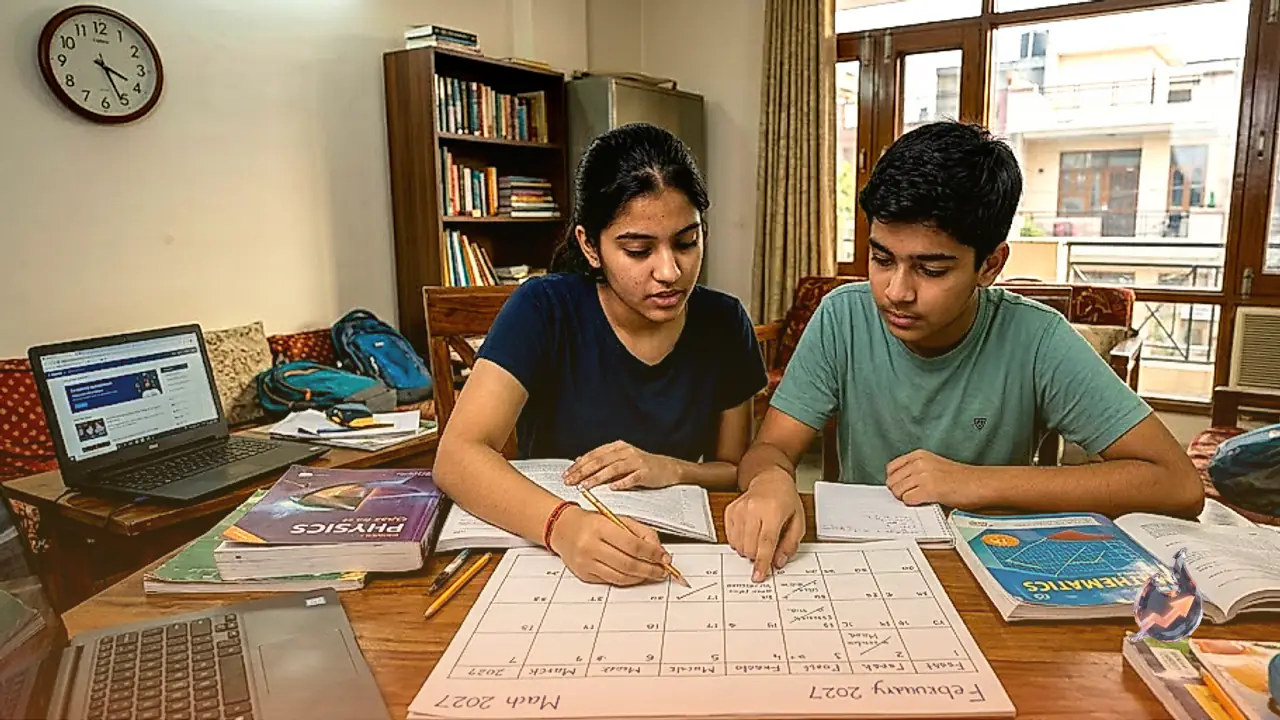

















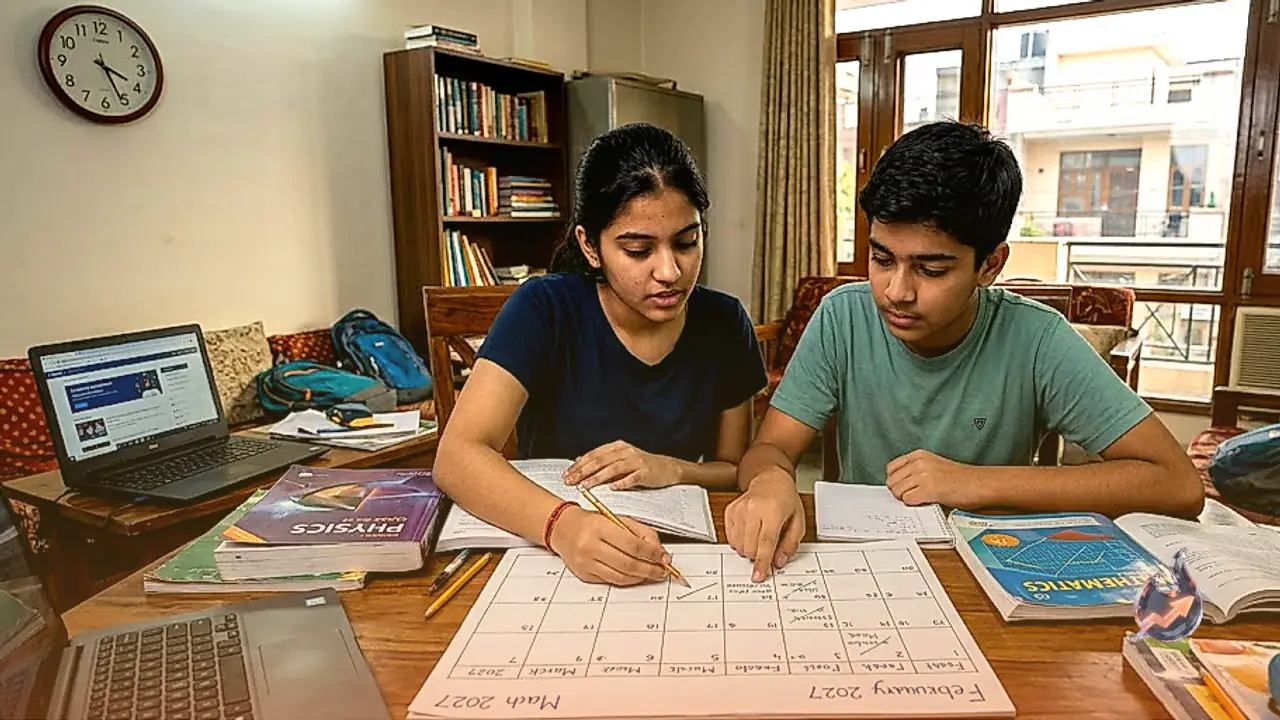

With the countdown underway for the Central Board of Secondary Education annual examinations for Classes 10 and 12, millions of students across India and abroad are deep into their academic preparation. It is entirely common for students and parents to experience heightened anxiety as these milestone assessments approach. Currently, candidates appearing for the 2027 board exams are awaiting the official timetable announcement. Having access to the official schedule gives candidates clarity, helping them structure their final phase of revision, address specific learning gaps, and plan full-length mock examinations.
Students preparing for the 2027 examinations have several pressing concerns regarding when the papers will begin, what historical timelines indicate, how to consolidate the extensive curriculum effectively, and how to conquer examination room anxiety. Navigating these questions requires an objective examination of past operational patterns alongside a practical revision strategy.
Expected Release Timeline for the CBSE Board Exam 2027 Schedule
Looking at the operational pattern established over recent academic sessions, the board typically publishes the complete date sheet roughly two to three months before the commencement of theoretical exams. This places the official release squarely in the final days of November or early December. For instance, during the 2026 exam cycle, the official routine was made available between late November and the first week of December.
Following this established timeline, the Class 10 and Class 12 timetable for the 2027 board examinations is expected to be uploaded on the board official website, cbse.gov.in, around November or December 2026. Because unauthorized dates and rumours frequently circulate across digital platforms, students must verify all information solely through the official portal.
Previous Year Timeline and Tentative Examination Dates
In the preceding 2026 examination cycle, the examination authority notified the Class 10 and 12 routine during the final week of November. The main theoretical papers subsequently began in the middle of February and concluded in April. The board has maintained a consistent operational rhythm in recent years by initiating theoretical tests during the third week of February.
Commencing the examination cycle in mid-February ensures that answer scripts are evaluated systematically and on schedule, enabling the publication of final results by the second or third week of May. The 2027 board exams are similarly expected to start in the second or third week of February 2027.
Essential Elements to Verify Once the Timetable Is Released
When the date sheet is published, candidates should refrain from merely scanning the calendar for their preferred subjects. A thorough review of technical details is essential to avoid any last-minute complications
- Subject Code Confirmation: Always cross-examine the subject codes printed on the official date sheet against those listed on your exam admit card. This is especially vital for elective and vocational courses, where code similarities could cause confusion.
- Intervals Between Difficult Exams: Review the preparatory gap allocated between major papers. If subjects demanding extensive quantitative problem-solving, such as Mathematics or Physics, have minimal rest days, those syllabi should be revised well in advance.
- Reporting Schedules and Shifts: Carefully read all operational instructions, reporting deadlines, and gate closing times mentioned on the routine and admit card. An oversight of even a single minute can result in denial of entry to the examination centre.
Actionable Strategies for Securing Top Marks
Scoring top percentiles in board exams is not merely a product of endless study hours; it stems from disciplined execution and structured study habits. Aspirants preparing for the 2027 examinations can adopt the following practical methodologies
- Mastery of NCERT Textbooks: Whether in Class 10 or Class 12, the curriculum framework and questions are strictly anchored in NCERT textbooks. Students should study each chapter line by line, solving every in-text and chapter-end problem.
- Creation of Concise Personal Notes: Developing personalized short summaries with clear headings and highlighting key definitions proves invaluable. In the final weeks before the exams, rereading massive textbooks is impractical, making these consolidated notes the primary tool for rapid review.
- Past 5-Year Papers and Official Sample Papers: Regularly solving previous years' question papers and the official sample assessments released by the board is critical. This exercise acquaints students with the question distribution, marking scheme, and precise expectations of evaluators.
Overcoming Exam Hall Stress and Performance Anxiety
Despite studying diligently throughout the year, many students struggle under high-pressure conditions in the examination room, occasionally blanking on well-known concepts. Simulating real exam conditions is the most effective way to eliminate this performance anxiety. When working through sample papers, set a timer for exactly three hours without taking breaks or checking reference material. This training conditions the mind to remain focused and composed under strict temporal limits.
Additionally, maintaining good physical and mental well-being throughout the 2027 preparation phase is non-negotiable. Ensure adequate rest, maintain hydration, and cultivate an optimistic mindset. The board examination tests not only intellectual knowledge but also endurance, preparation discipline, and calm focus under pressure.