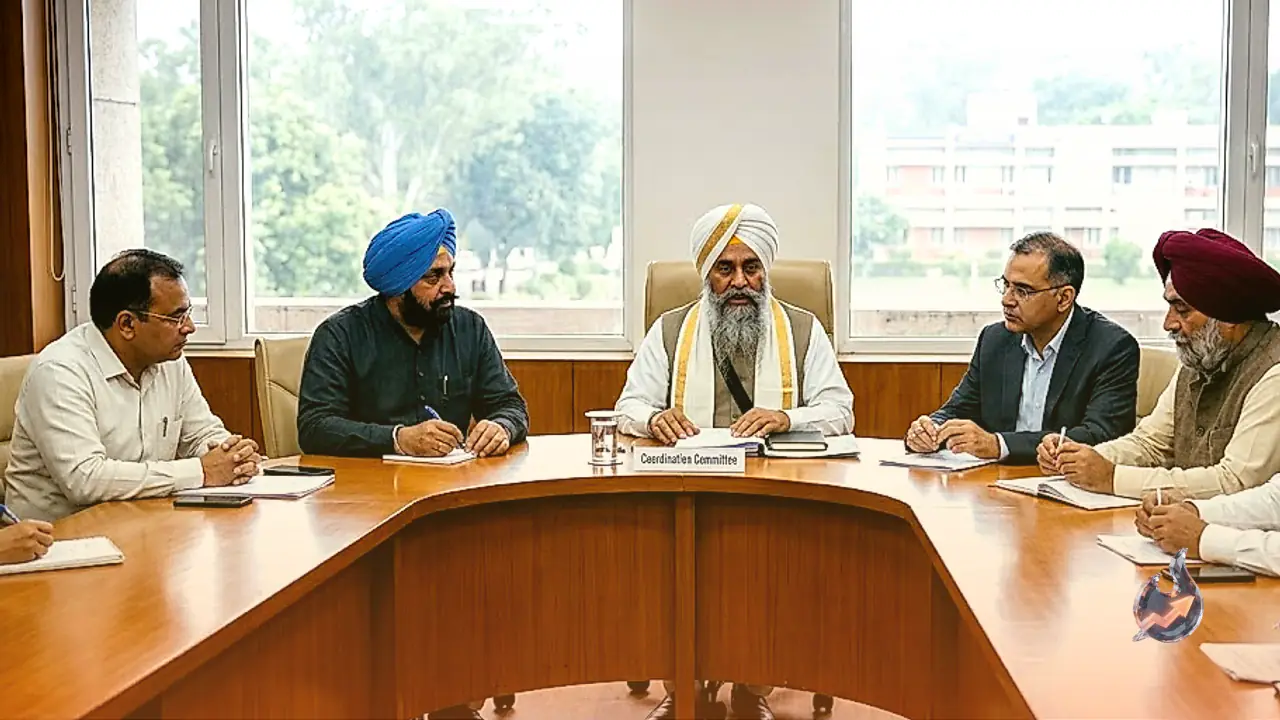















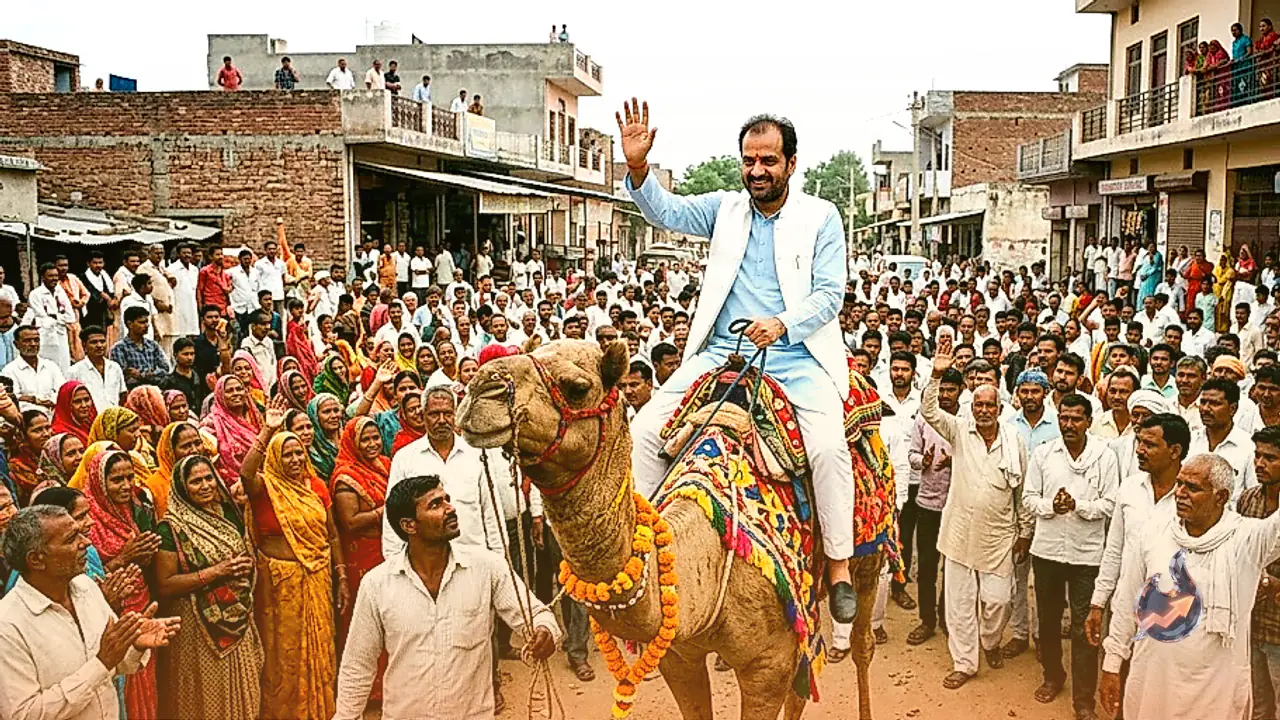

Political circles in southern Haryana witnessed significant momentum as senior BJP leader and former Hisar Member of Parliament Kuldeep Bishnoi gathered a sizable crowd at the Shagun Garden in Charkhi Dadri. Organised under the banner of a Sneh Milan gathering, the event served as a major display of strength, where MLA Randhir Panihar also shared the stage in key attendance. What captured the keen attention of political observers across the region was the total absence of any political party flags, banners, or posters across the entire venue, marking a calculated departure from conventional partisan gatherings.
Camel Procession and Echoes of Past Electoral Milestones
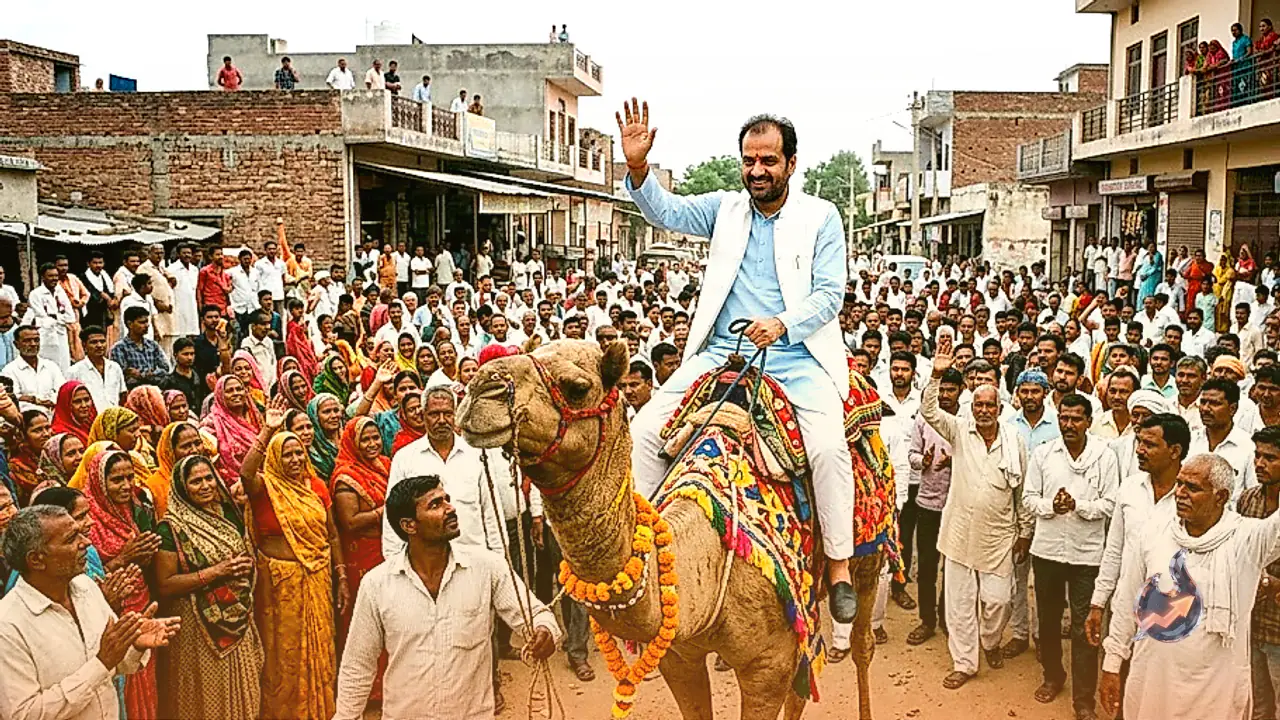
Supporters welcomed Kuldeep Bishnoi in traditional celebratory fashion, seating him atop a camel as they ushered him into the event grounds. Reflecting on the reception, Bishnoi noted that he has always regarded Dadri as his extended family and an enduring stronghold. He recalled that when he won his first election to Parliament from the Bhiwani-Mahendragarh constituency, local residents had similarly welcomed him on a camel, a moment that proved remarkably auspicious for his career. Expressing deep gratitude, Bishnoi remarked that words fell short in acknowledging the historic welcome extended to him and MLA Randhir Panihar by the people of Dadri.
Alliances Beyond Party Lines and Strong Grassroots Ties
Addressing the conspicuous absence of party symbols and banners amid the massive turnout, Kuldeep Bishnoi clarified his stance directly. He stated that the sea of people stretching from the roads into the main pavilion comprised the very individuals who stood alongside him during his most challenging political struggles. Bishnoi emphasized that whether these longtime associates are currently sitting at home or affiliated with different political organizations, one glance at their faces reveals that they remain connected to him in spirit. He concluded by asserting that the gathering in Dadri once again reaffirmed the unbreakable nature of his bond with the local populace.