
















How Ram Jhula Looked Five Decades Ago in Rishikesh, Residents Recall Quiet Times and Unpaved PathsUttarakhand
20 Sept 2026, 12:36 pm (7 hours ago)· 0

How Ram Jhula Looked Five Decades Ago in Rishikesh, Residents Recall Quiet Times and Unpaved Paths

Fifty years ago, the Ram Jhula area in Rishikesh featured only a handful of shops, unpaved tracks, and quiet surroundings, contrasting sharply with today's bustling market.

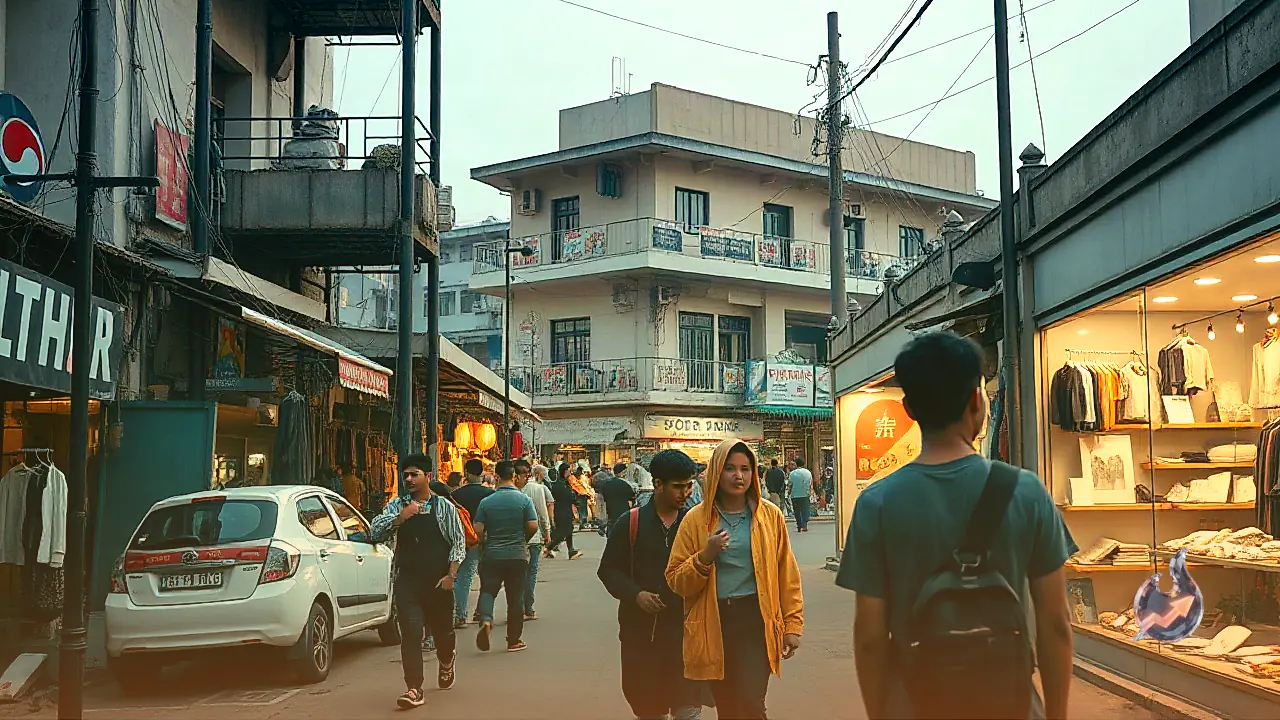
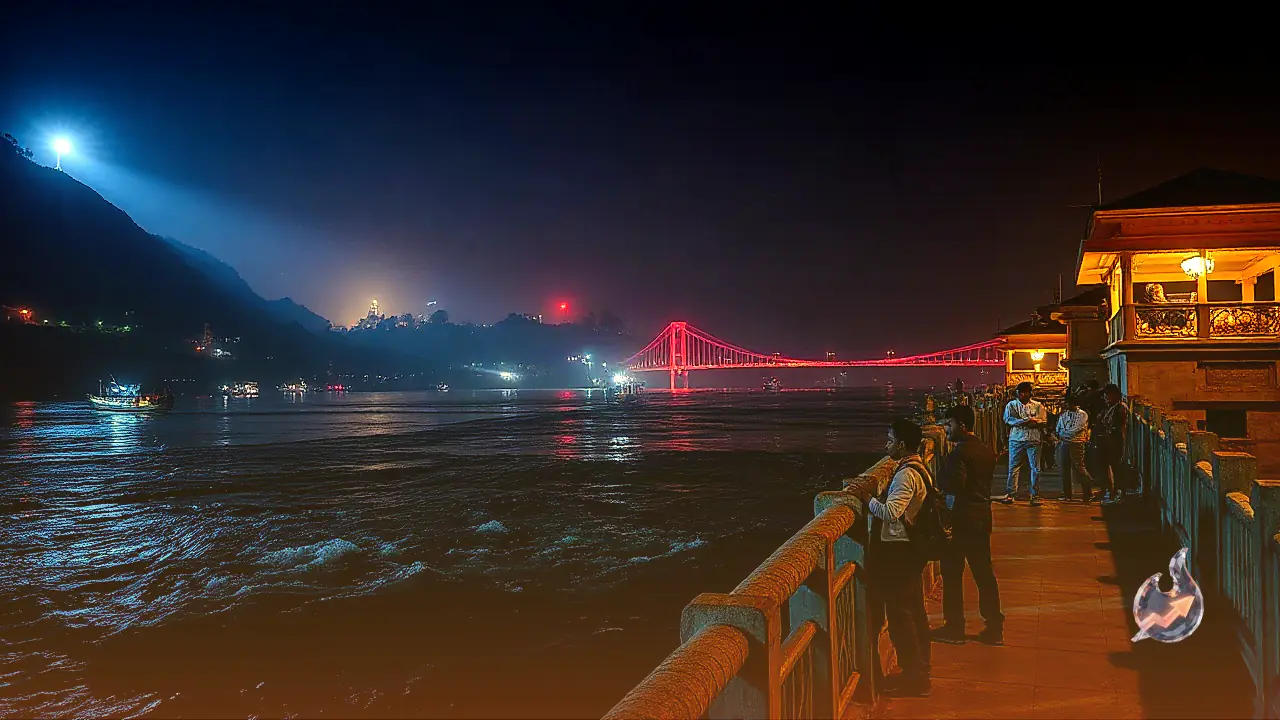
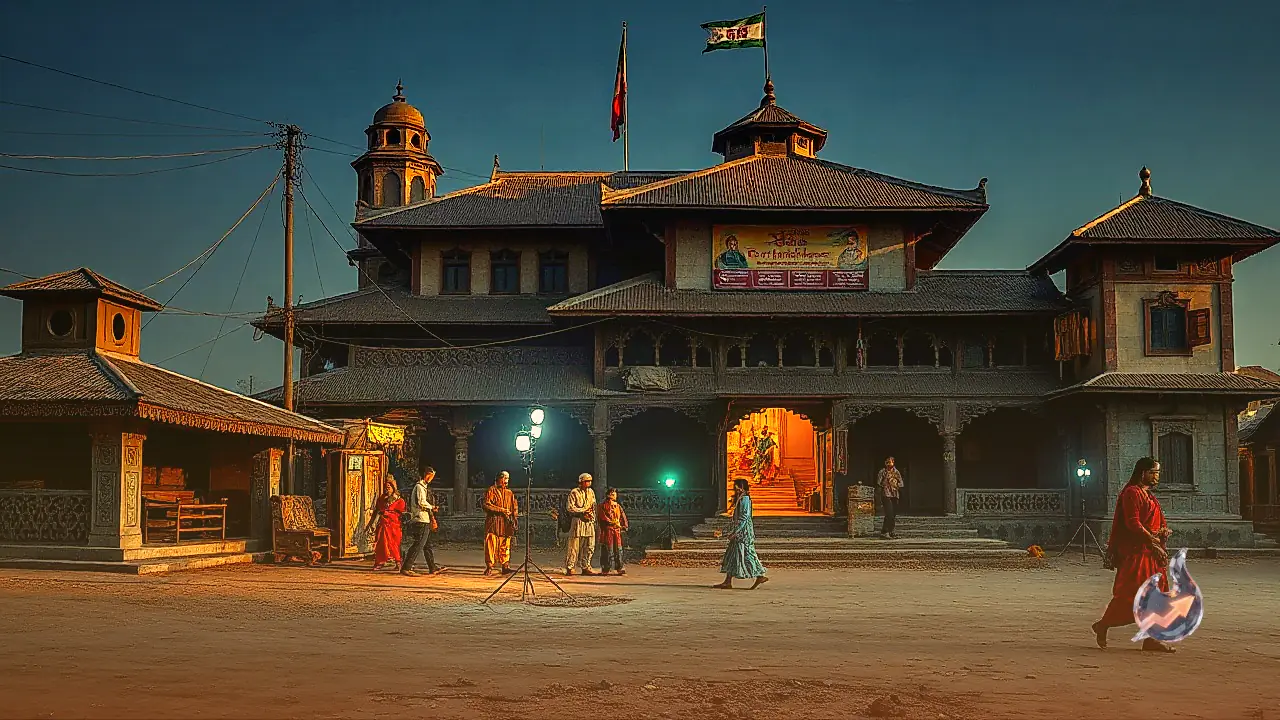
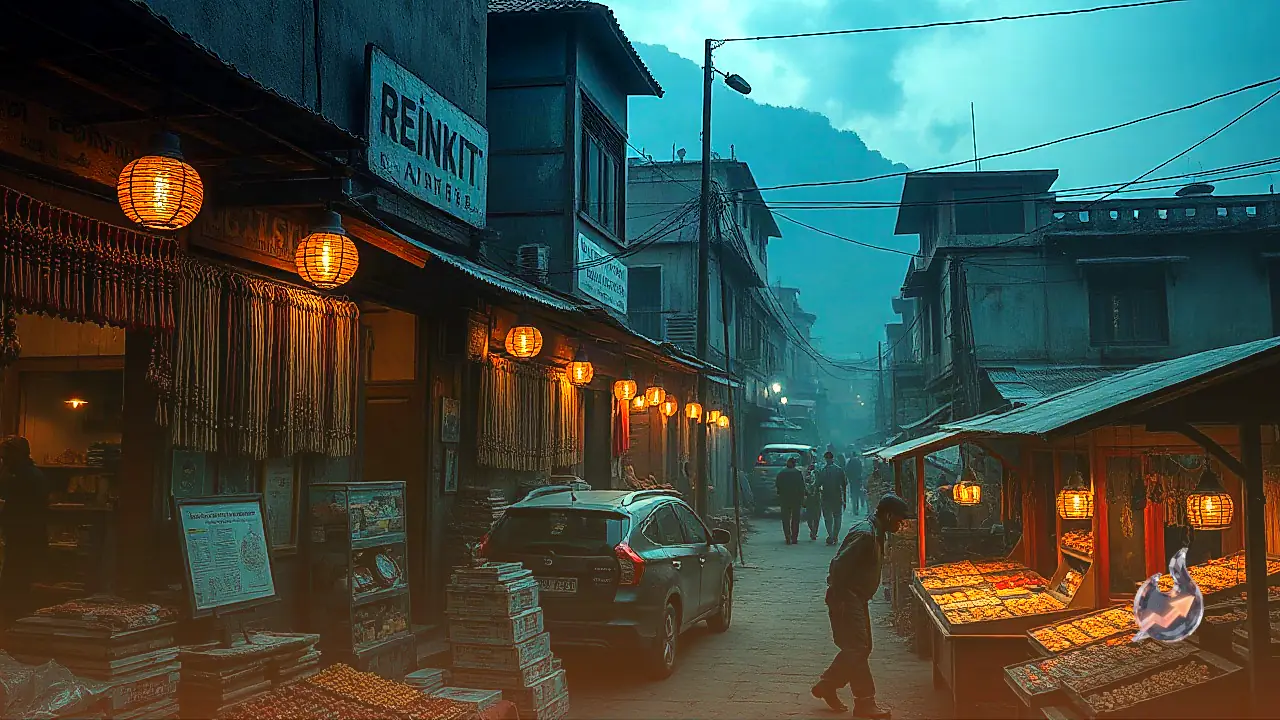
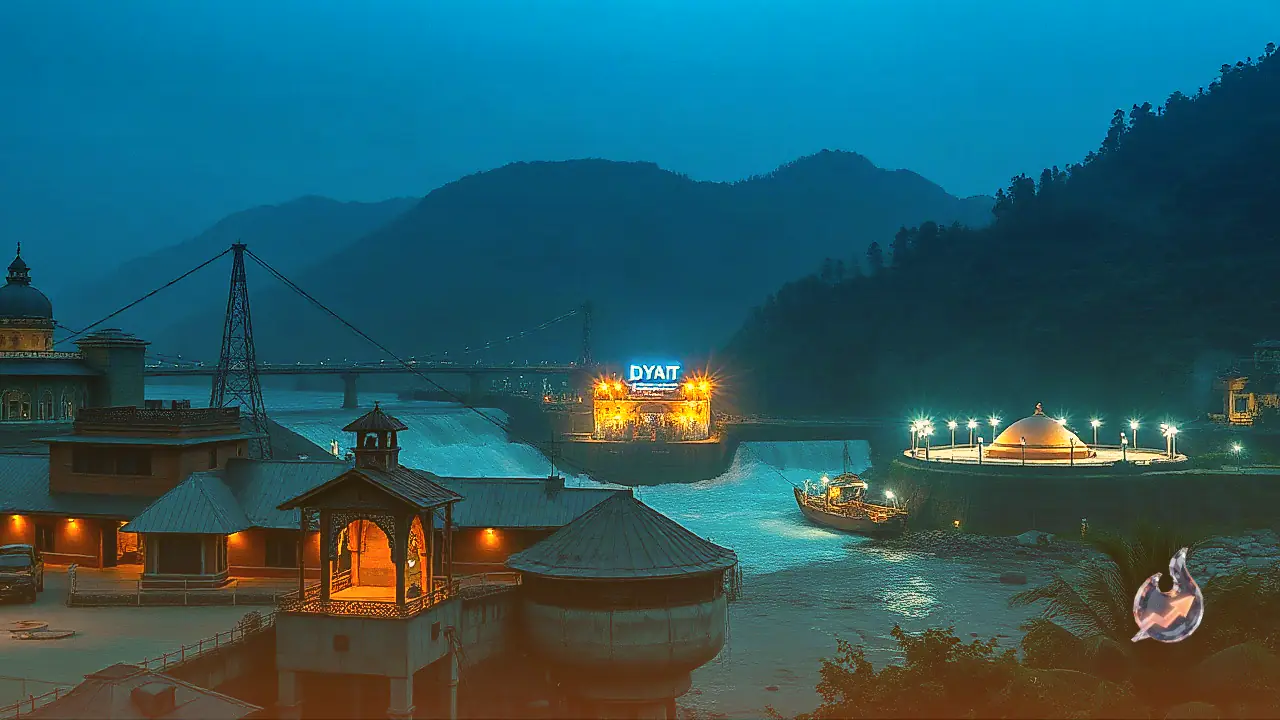
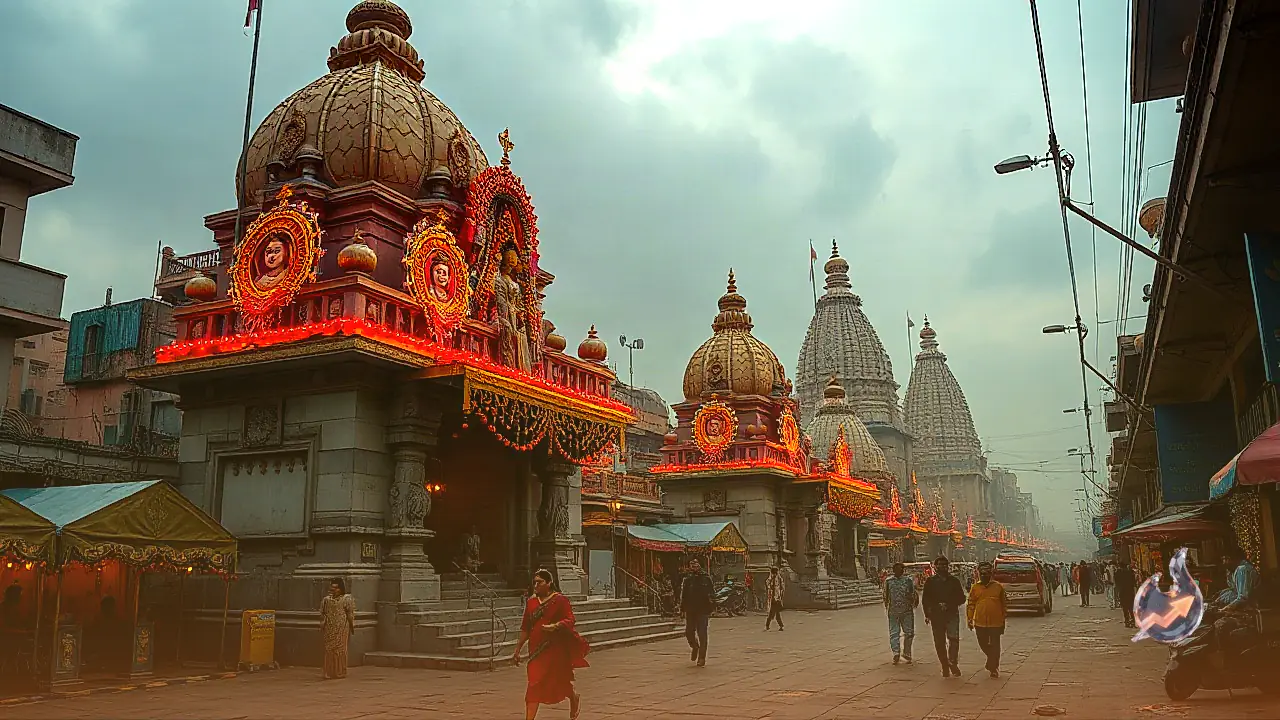
Ram Jhula in Rishikesh has evolved into a prominent landmark of the town, surrounded by a marketplace that remains packed with visitors and residents throughout the day. However, around 50 years ago, the entire landscape looked entirely different from what people witness in the present era. During that period, there was neither the overwhelming rush seen today nor long stretches of retail shops, and the wide asphalt roads leading toward the marketplace had not yet been constructed. Longtime residents explain that the surroundings of Ram Jhula were remarkably peaceful, open, and spacious, served by just a few shops that catered to the basic requirements of both local citizens and arriving travelers.

Few Commercial Outlets and a Tight-Knit Community Feel

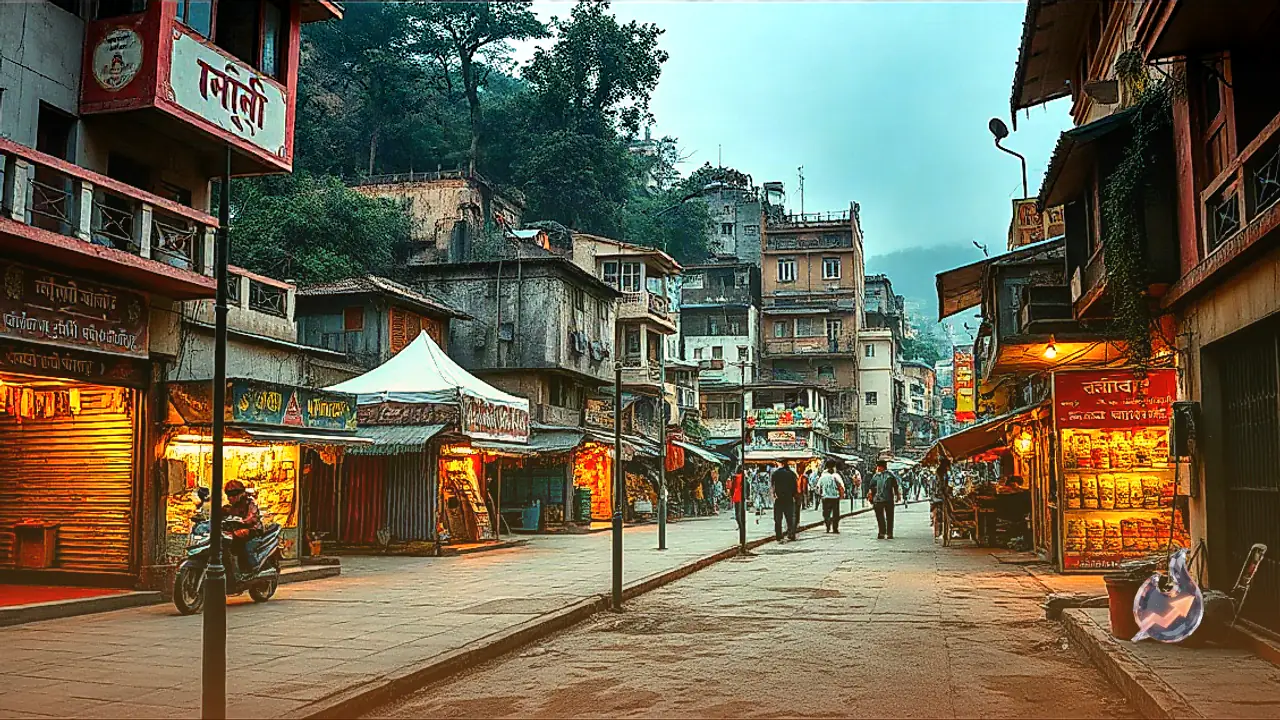
Local resident Ram Nath stated that five decades ago, the commercial market near Ram Jhula had not expanded to its present scale. Shops were very few, and people living across the neighborhood were well acquainted with one another. Visitors arriving from outside had to cover considerable distances entirely on foot because wide, paved roads did not exist at the time. The surrounding terrain was largely unbuilt, offering wide vistas and a tranquil setting for everyone present.

Also read

According to Ram Nath, visitors would purchase essential daily supplies, offer prayers at nearby temples, and comfortably head back without any urgency. Many access tracks were completely unpaved. The present-day environment around Ram Jhula, dominated by an endless stream of shops and heavy pedestrian movement, contrasts sharply with the conditions of that era. The dynamic between shopkeepers and customers was not limited to mere commercial transactions, as travelers often sat by the storefronts to engage in extended, friendly conversations. While the marketplace was undoubtedly modest in size, it possessed a unique and memorable character.

A Relaxed Daily Rhythm Devoid of Modern Haste

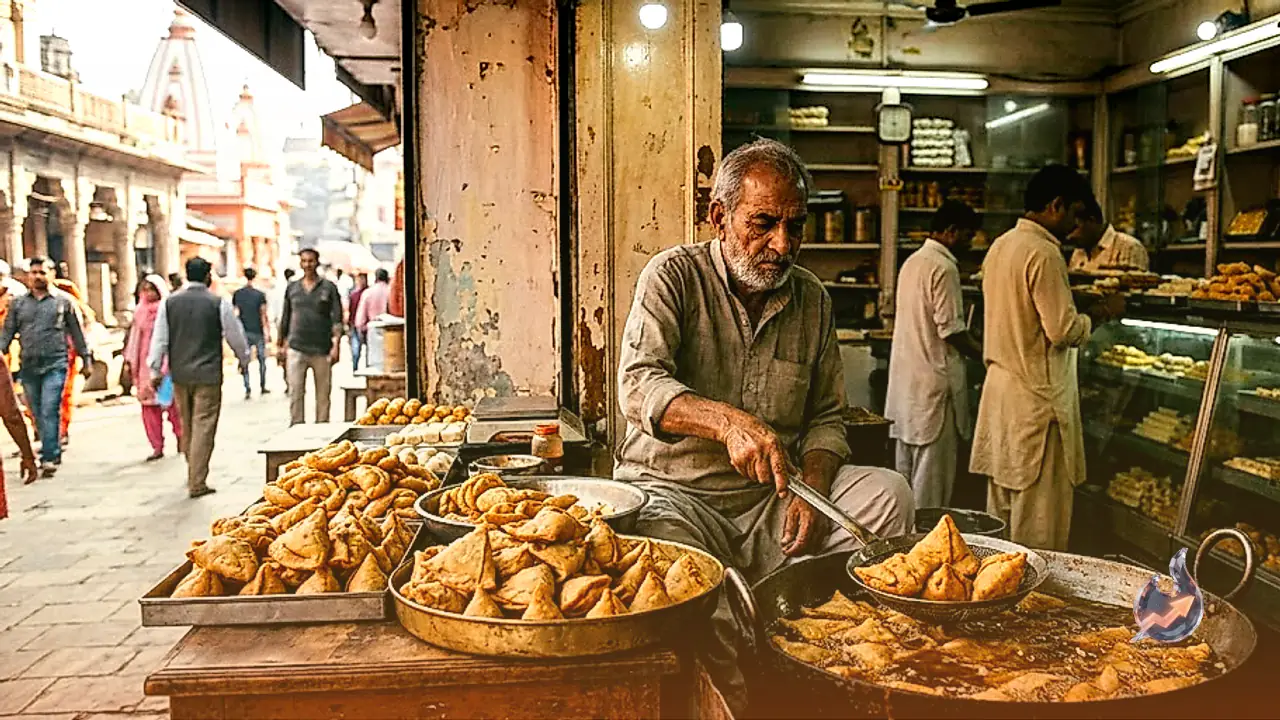
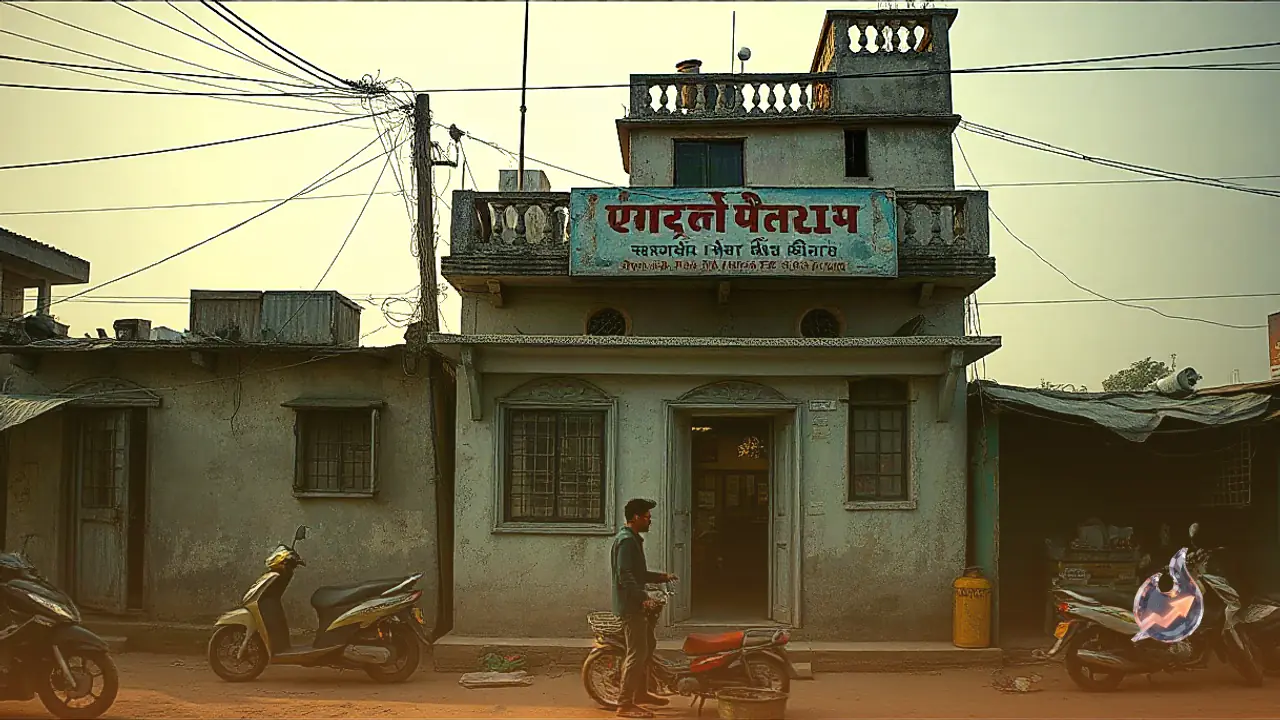
Ravi Kumar, a local resident and shopkeeper, recalled those earlier times and noted that the atmosphere surrounding Ram Jhula remained deeply serene roughly 50 years ago. A limited selection of retail stalls supplied religious items, edible provisions, and household goods. Pilgrims and travelers visiting the town made regular stops at these traditional outlets to rest and replenish their supplies.

In the words of Ravi Kumar, life at that time did not suffer from modern frantic haste. People walked at a leisurely pace, and there was always time to pause and converse in the middle of the market. Reaching Ram Jhula was far less straightforward than it is now, as surrounding roads and access paths were still in their early phases of gradual development. Navigating several sections of the terrain relied solely on basic walking tracks.

Minimal Vehicle Traffic, Low Noise, and Evening Ambience

Motor vehicle movement across the zone was exceptionally sparse compared to modern vehicular density. With minimal traffic, ambient noise remained extremely low, giving the entire area a calm, restful quality. Evening hours had their own understated charm and distinctive liveliness. Even though the number of storefronts was small, people moved steadily through the precinct. Today, while Ram Jhula has expanded into an extensive market buzzing day and night with tourists and locals, half a century ago this very zone was defined by unpaved tracks, a handful of shops, and a tranquil atmosphere.


Questions & Answers

What did the Ram Jhula market look like approximately fifty years ago?
The area had only a handful of shops, unpaved approach tracks, and a very quiet, open environment.
What kinds of goods were sold around Ram Jhula in those earlier days?
The limited shops primarily offered ritual supplies, food items, and basic everyday household provisions.
How did travelers reach the marketplace in that era?
Due to the absence of paved roads, incoming travelers had to cover long distances on foot along basic tracks.
What was the dynamic between shopkeepers and customers back then?
Their relationship went beyond commercial transactions, with customers frequently sitting at storefronts for friendly conversations.

Comments 5

Sandeep Yadav@sandeep-yadav·5h ago

Analyzing the historical evolution of the Ram Jhula area is highly relevant from the perspective of local lifestyle and tourism infrastructure. This transition from open, unpaved walking paths to a bustling commercial hub demonstrates how accessibility and public spaces have transformed over time. Documenting these spatial changes provides a meaningful context for future planning around walking tours, active lifestyle spaces, and sustainable sports tourism.

Ravikash Gupta@ravikash·6h ago

The transformation of the Ram Jhula area over five decades highlights the evolution of a pilgrimage-centric local economy into a high-density commercial tourism hub. While expanded trade and infrastructure drive revenue and local livelihoods, this rapid shift underlines the critical necessity for sustainable urban planning. Balancing commercial growth with cultural heritage is essential for long-term economic resilience in such heritage markets.

Arjun Mehta@arjun-mehta·6h ago

Building on Ravikash's analysis, from a public policy and governance perspective, this evolution highlights the need for targeted planning frameworks in religious-tourism hubs. As traditional pilgrimage spots transform into dense commercial centers, municipal administration faces pressing challenges related to carrying capacity, urban management, and traffic flow. State authorities and local governance bodies must execute comprehensive master plans that align infrastructure expansion with heritage preservation, ensuring sustained economic benefits alongside effective regulation.

Rohan Verma@rohan-verma·6h ago

This report highlights the critical challenge of rapid, unplanned commercialization across key pilgrimage centers. The evolution of the Ram Jhula area over five decades from a serene spiritual enclave into a crowded commercial corridor underscores economic growth, but it also reveals significant gaps in urban planning, traffic regulation, and public infrastructure management. To prevent ecological and cultural degradation, governing bodies must implement sustainable town planning and regulated tourism management that balances local heritage with modern infrastructure requirements.

Karan Malhotra@karan-malhotra·6h ago

Building on Rohan's observation, this transformation carries severe implications for public safety and law enforcement. The heavy commercialization and surge in footfall around Ram Jhula create complex security risks, including stampede hazards, blocked emergency response routes, and petty crime. When uncontrolled encroachments choke narrow access points, managing sudden crowd influxes becomes extremely difficult for security forces. To safeguard pilgrims and maintain order, local authorities must integrate stringent crowd-control measures, modern CCTV surveillance, strict encroachment checks, and dedicated emergency exit corridors into their planning.

Citizen journalism

Become a TrendKia journalist

Voice of the people

Share news, photos and videos from your area with TrendKia and let your voice reach the nation. Every citizen a journalist.

Join now
CH 01 LIVE
TrendKia TV ON AIR
Chamar no WhatsApp