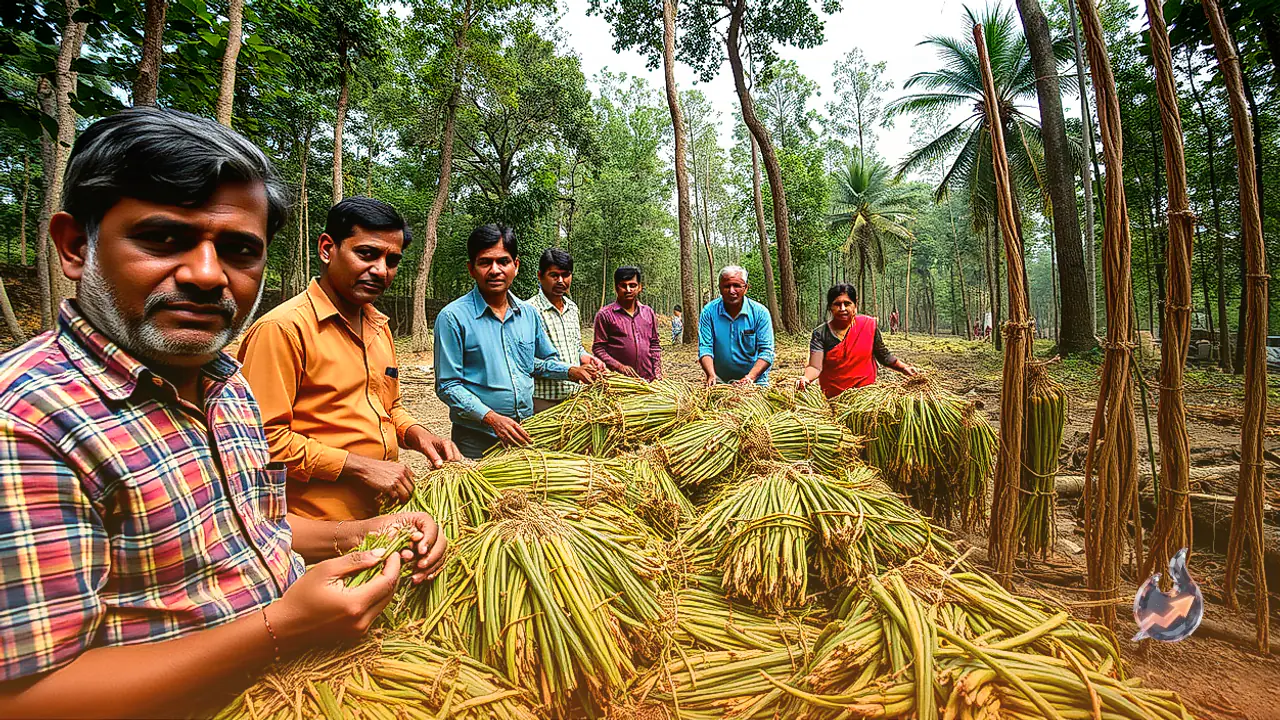






















In the Malhar nagar panchayat of Bilaspur district, farmer Yadunandan Prasad Verma has demonstrated an innovative approach to sustainable agriculture. Working on his DJ Verma Organic Agriculture Farm, he succeeded in raising a thriving crop of yardlong beans without ploughing the land and without relying on costly external inputs. By simply sowing home-stored seeds into untilled ground, the farmer created an additional revenue stream while capitalising on encouraging prices in the vegetable market.
Rebounding After Heavy Rain Damaged The Previous Crop
The plot was already functioning as an integrated horticulture system, featuring orderly rows of jackfruit alongside parallel lines of drumstick trees. Beneath these perennial plants, pumpkin had initially been sown as an intercrop. However, heavy monsoon rains led to severe waterlogging, which ruined the pumpkin crop completely. Rather than investing fresh capital into drying and deep-ploughing the field, Verma decided to utilise the remaining soil conditions immediately by directly introducing yardlong bean seeds without any field preparation.
Sowing Seeds Directly Without Tilling Or Heavy Digging
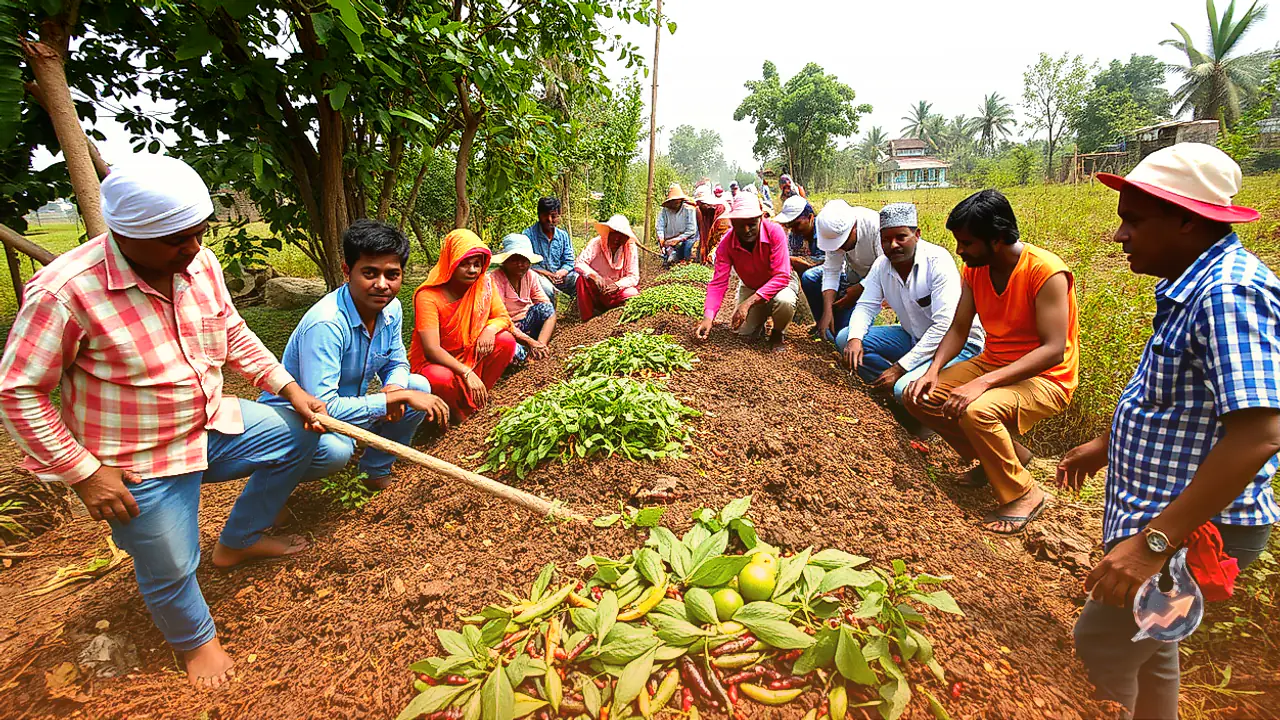
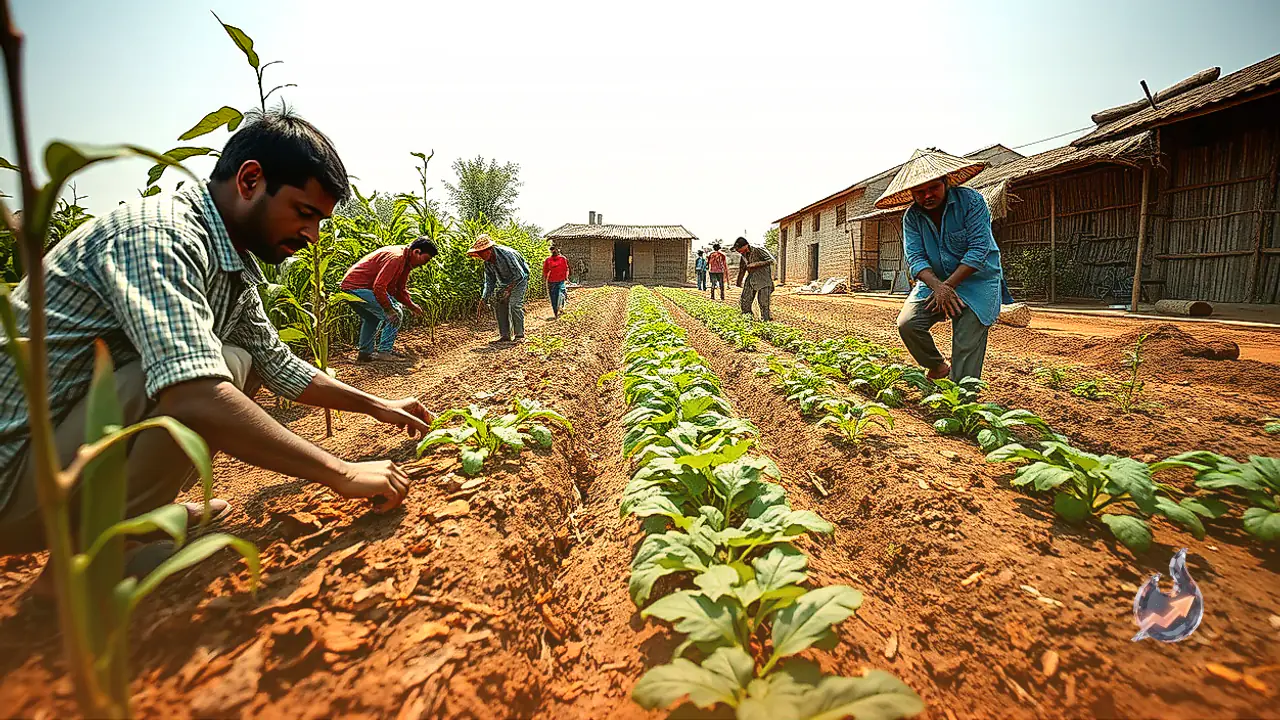
No machinery, tractors, or extensive digging tools were deployed to prepare the seedbed. The farmer merely loosened the topsoil at the exact spots using a hand hoe and placed his domestic yardlong bean seeds directly into the earth. Avoiding commercial hybrid seeds and mechanical field preparation brought external cultivation expenses down to almost zero, allowing the crop to establish itself with minimal financial exposure right from the start.
Allowing Vines To Spread On The Ground Cuts Costs And Saves Moisture
Conventionally, vining vegetables require expensive staking frameworks made of bamboo poles, strings, or wires to train the branches upward. Verma bypassed this labour-intensive and costly practice altogether by letting the bean vines spread across the soil surface. This decision produced multiple ecological benefits. The broad leaves formed a dense living carpet that protected the soil from direct sunlight, thereby preserving critical subsurface moisture. Sustained dampness kept soil microorganisms active, naturally improving the soil structure, while the dense ground cover simultaneously suppressed weed growth.
Zero-Budget Management Through Minimal Weeding
Because the primary input consisted solely of domestic seeds, the farmer describes the method as a functional example of low-cost, zero-budget natural farming. Field maintenance was restricted to need-based manual weeding. The uprooted weeds were left directly on the surface of the plot to decompose and return nutrients back to the soil, eliminating the need for expensive synthetic fertilisers and pest control sprays.
Favourable Market Rates Provide Strong Income Potential
Market conditions around October 2 added significant economic value to the harvest. During this window, retail rates for yardlong beans stood at roughly 50 to 60 rupees per kilogram, while wholesale mandis were offering between 35 and 40 rupees per kilogram. Based on these trends, Verma estimated that well-managed natural cultivation delivering steady yields at the right time could generate an income of around 2 lakh rupees per acre. Actual realisations, however, remain dependent on total yield volumes and market price fluctuations.
Advocating Practical Natural Methods For Fellow Cultivators
Serving as the district organic head for Bharatiya Kisan Sangh in Bilaspur district, Yadunandan Prasad Verma actively encourages farmers to curb input expenses by leaning on natural and organic methods. His initiative illustrates how adjusting quickly to adverse weather and making thoughtful use of existing farm conditions can shield farmers from financial distress, delivering dependable supplemental income without expensive interventions.