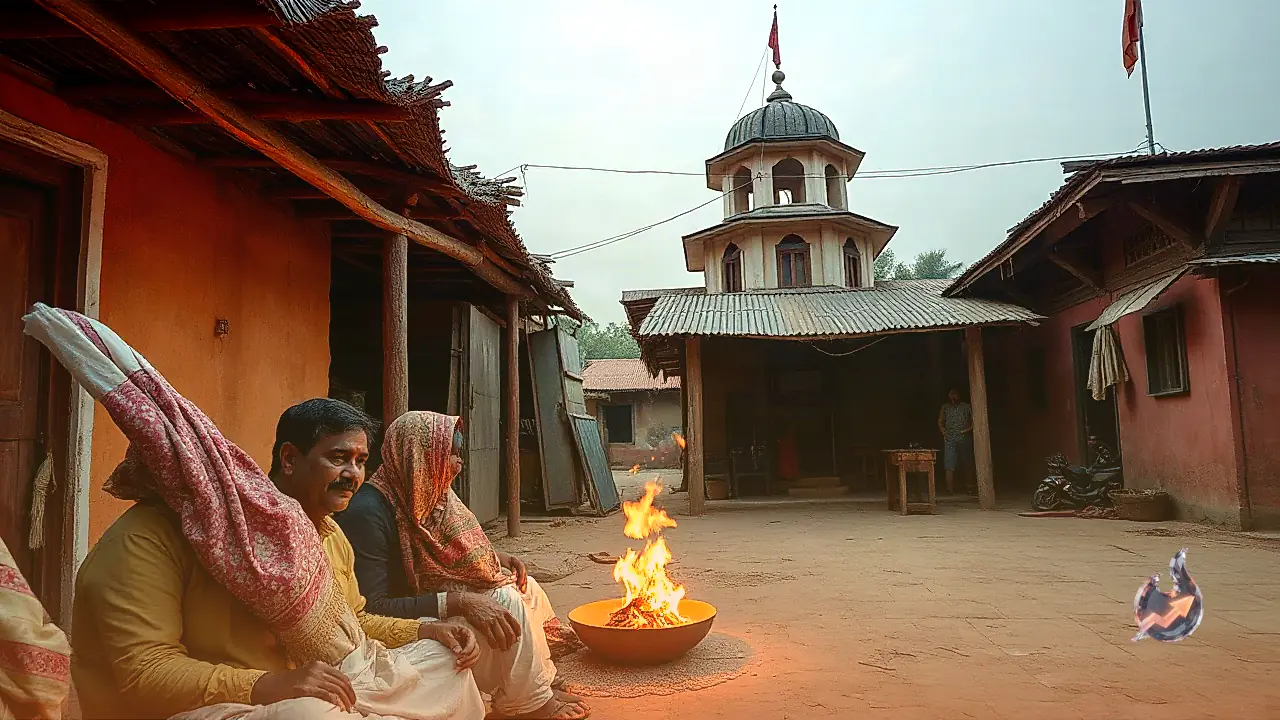























Health authorities in Chhattisgarh have launched an intensive response after nine residents of Jhalkhamhariya village in Mahasamund district were diagnosed with kidney-related illnesses. The sudden detection of multiple renal cases in a single village has prompted state medical teams and environmental experts to initiate wide-scale diagnostic screenings and localized investigations to determine the root cause of the health issue.
Two-Day Diagnostic Camp and Door-to-Door Medical Survey
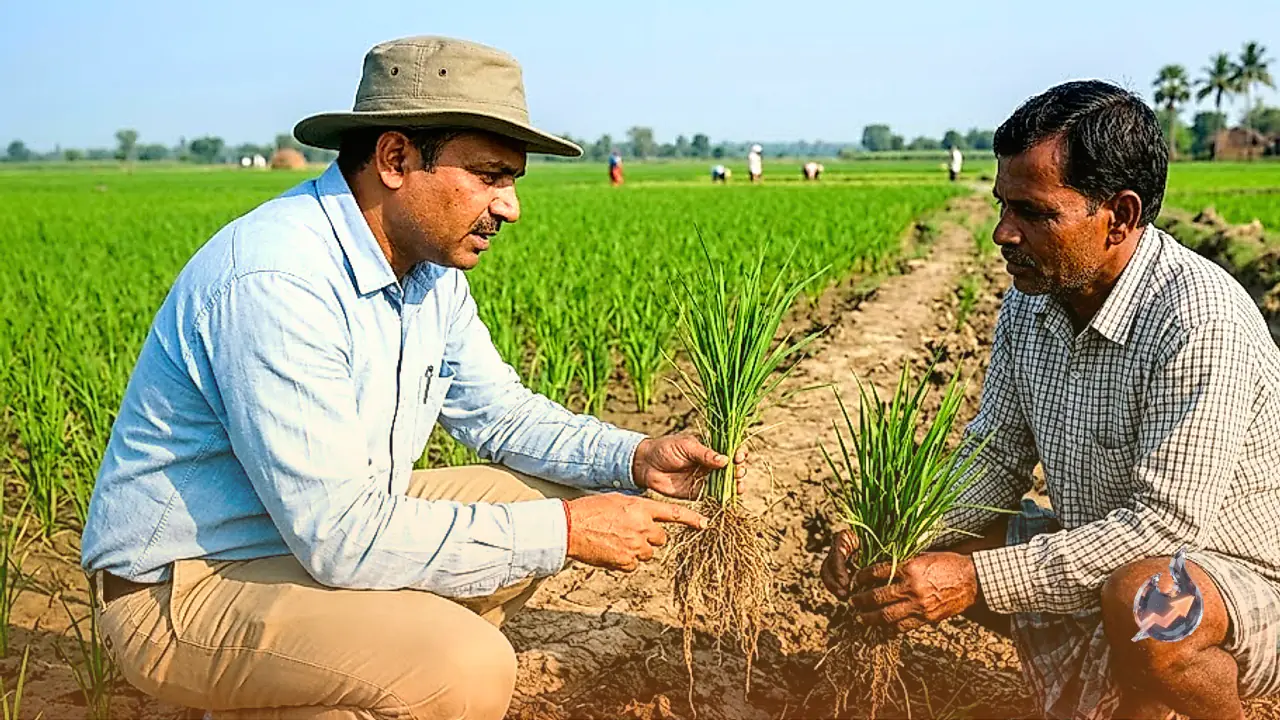
To assess the full extent of the health concern, the health department established a specialized two-day medical camp at the Gram Panchayat Bhawan in Jhalkhamhariya. Attending doctors and healthcare staff are conducting physical health evaluations and collecting blood and urine samples from residents based on clinical assessments. Alongside the stationary camp, field teams are conducting a comprehensive door-to-door survey across the village. Healthcare personnel are reviewing household medical histories, recording existing chronic conditions, and documenting past pharmaceutical consumption for every family member in the locality.
Investigating Therapeutic Misuse, Chronic Diseases, and Water Quality
Public health experts evaluating the cluster have identified several key risk factors that commonly lead to kidney dysfunction. Long-term or unmonitored usage of over-the-counter painkiller medications is known to cause severe renal impairment. In addition, chronic conditions such as high blood pressure and diabetes, as well as the consumption of contaminated drinking water, are major contributing factors being investigated by the medical team. Consequently, officials are gathering meticulous details regarding residents' prior medical prescriptions, underlying health disorders, and daily water consumption habits to identify potential triggers.
PHE Department Water Sampling and Emergency Support Deployment
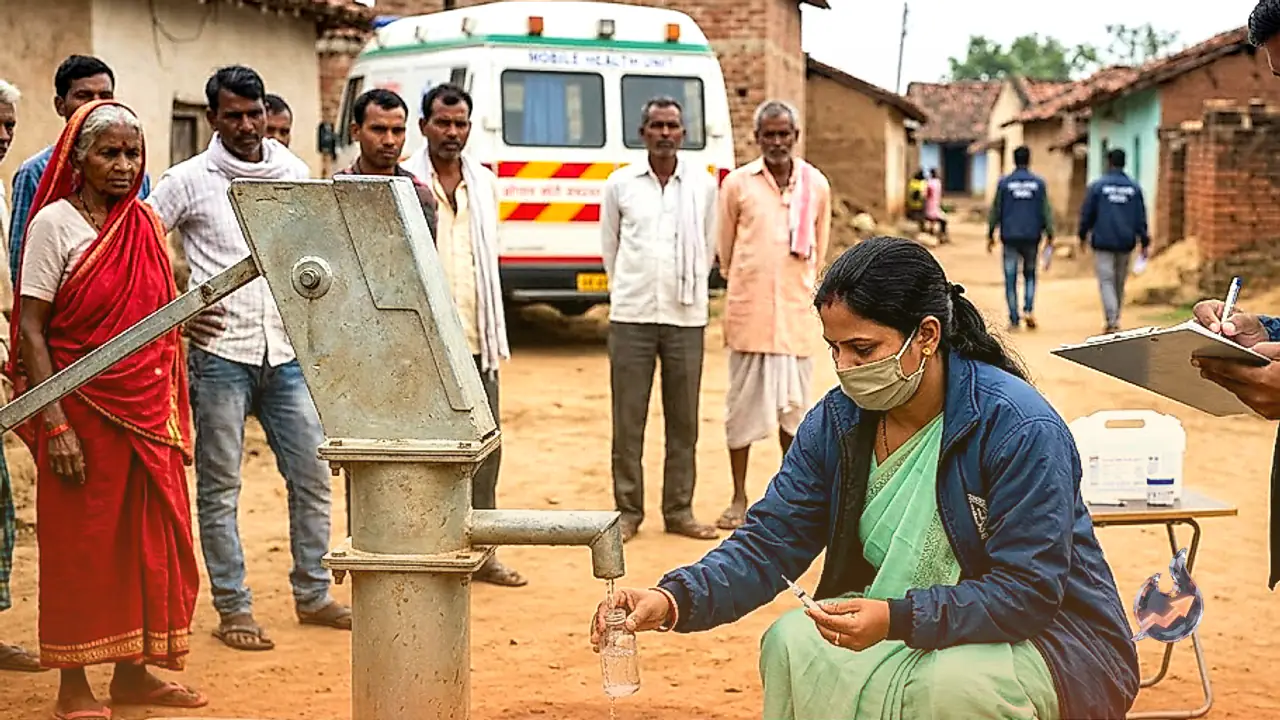
Parallel to the medical investigations, the Public Health Engineering (PHE) department has collected 16 new water samples from diverse drinking water sources throughout the village. These samples have been submitted for laboratory analysis to evaluate chemical composition and test for potential contaminants, which will provide definitive clarity on water safety. Health officials stated that therapeutic interventions for affected individuals will be calibrated according to their diagnostic reports, with critical cases being referred to advanced tertiary medical facilities. To ensure continuous healthcare access on the ground, a PM Janman mobile unit has been stationed in the village. Authorities have urged all local residents to participate in the screening camp and immediately visit the nearest healthcare center if they experience any adverse symptoms.