













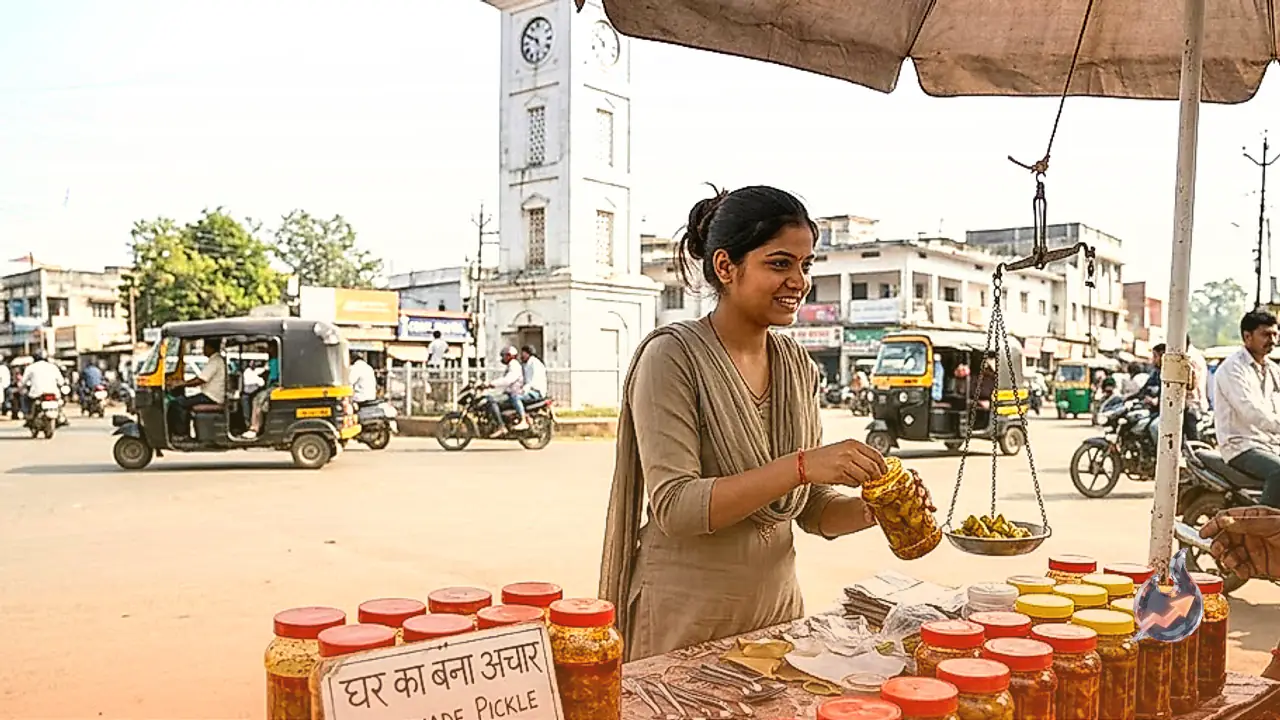

Ghadi Chowk in Ambikapur, the divisional headquarters of Surguja in Chhattisgarh, has turned into a hub for authentic regional taste, thanks to an initiative driven by a local college student. Ruchika Gupta manages a street stall featuring traditional pickles crafted by her mother. Using freshly purchased gooseberries and spice blends prepared entirely at home, the stall emits an aroma that draws daily commuters and local residents. While multiple pickle varieties are displayed, the fresh amla pickle has emerged as the clear favorite. Prepared through traditional methods, this homemade delicacy can easily last between a year and eighteen months without spoiling when stored properly.
A Three-Year Journey of Building a Household Food Enterprise
The Gupta family has been engaged in the craft of pickle making for the past three years. Their product lineup extends well beyond a single flavor, covering staple culinary traditions. The household regularly prepares mango and lemon pickles, alongside pungent varieties such as green chilli, bitter gourd, and karil. Recently, amla pickle was introduced as a new addition to the collection, meeting with an enthusiastic response from buyers. The family's objective is to take authentic culinary heritage from their kitchen to the public while turning inherited household skills into a viable micro-enterprise.
Step-by-Step Craft: How the Homemade Amla Pickle Is Prepared
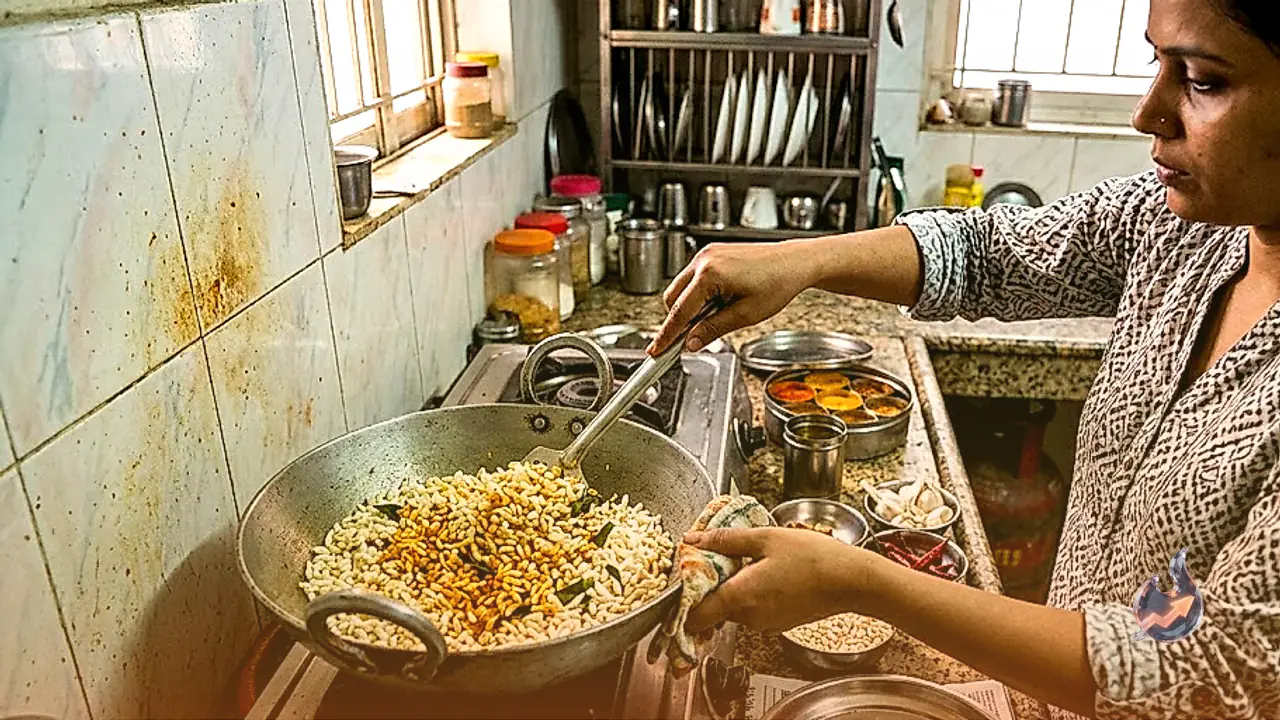
The preparation of this amla pickle follows a careful and systematic home-processing routine. Fresh gooseberries are first procured from the local market, thoroughly washed with water, and then boiled. The boiling requires precise timing: the gooseberries must turn tender enough to absorb seasonings, yet firm enough to prevent them from breaking apart completely.
Once boiled, the pieces are spread out under the sun to dry. As the moisture evaporates, the gooseberries shrink slightly in size. After the drying stage ensures the complete removal of surface water, the pieces are blended with freshly ground spices prepared in their home kitchen. Mustard oil is then incorporated to bind the mixture. The oil is heated thoroughly before being poured over the spiced gooseberries, ensuring that raw or cold oil is never introduced directly into the batch. This technique enhances the deep rustic flavor while extending preservation.
Teacher Aunt’s Suggestion Sparked the Commercial Step
The decision to commercialize their domestic culinary skill was sparked by Ruchika's maternal aunt, Mamta Gupta. A schoolteacher residing in the Bagicha area, Mamta observed her sister's exceptional cooking abilities and encouraged her to take the craft beyond domestic confines. She advised that sharing such high-quality homemade food with the community would not only generate independent earnings for the household, but also serve as an encouraging example for others looking to monetize artisanal skills. Inspired by this counsel, Ruchika's mother formally launched the venture.
Taste Reliability and Factors Governing Shelf Life
Ruchika emphasizes that her mother has always possessed a natural flair for pickling. Unlike many store-bought alternatives that tend to develop mold or turn rancid within a few months, their home-cured batches maintain their texture and punch for a full year to eighteen months under standard care. The family considers their traditional processing discipline to be the enterprise's greatest competitive advantage. In practice, the actual longevity of any batch remains tied to humidity control, strict hygiene, balanced oil levels, and dry storage habits.
Balancing Undergraduate Studies with Family Enterprise
Ruchika is currently enrolled as a student at Saraswati Mahavidyalaya, pursuing the final semester of her Bachelor of Arts program. Despite the academic pressures of her graduating year, she regularly dedicates time to managing the sales counter at Ghadi Chowk. Her active role demonstrates how thoughtful family encouragement and determined execution can transform a domestic kitchen skill into a flourishing grassroots livelihood.