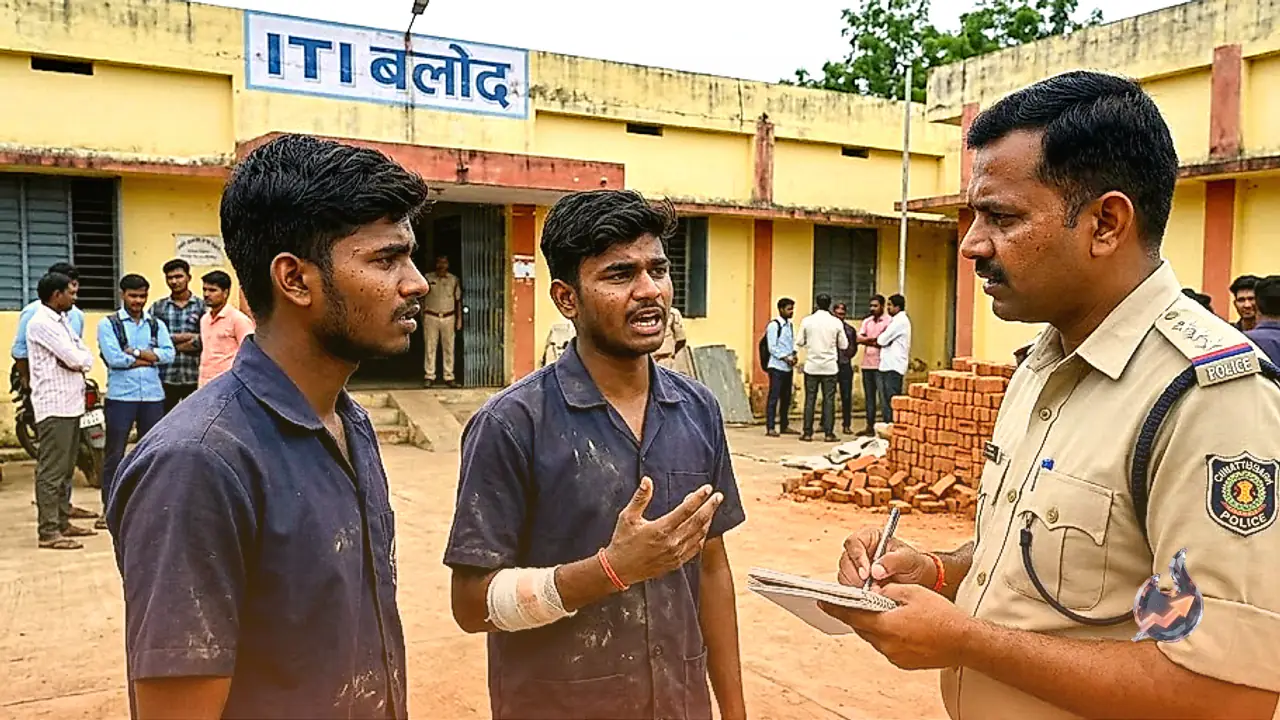























State-run schools in Chhattisgarh are facing a profound educational setback driven by severe faculty shortages and deteriorating classroom infrastructure. The widespread shortfall of qualified teaching personnel is directly disrupting classroom instruction across the state, jeopardizing the academic aspirations of millions of enrolled children. Prolonged administrative gaps in addressing these vacancies have left students in several regions struggling without subject-specific guidance.
Curriculum Cutbacks and Cross-Discipline Teaching Arrangements
Students aspiring to pursue careers in engineering and technical domains are finding themselves stranded without teachers for core analytical subjects. In multiple institutions, faculty positions have remained unoccupied for more than three years. As a direct consequence of this sustained vacancy crisis, students are regularly compelled to abandon their chosen academic paths. Several schools have been forced to suspend mathematics coursework entirely, pushing pupils toward other disciplines out of sheer lack of alternatives.
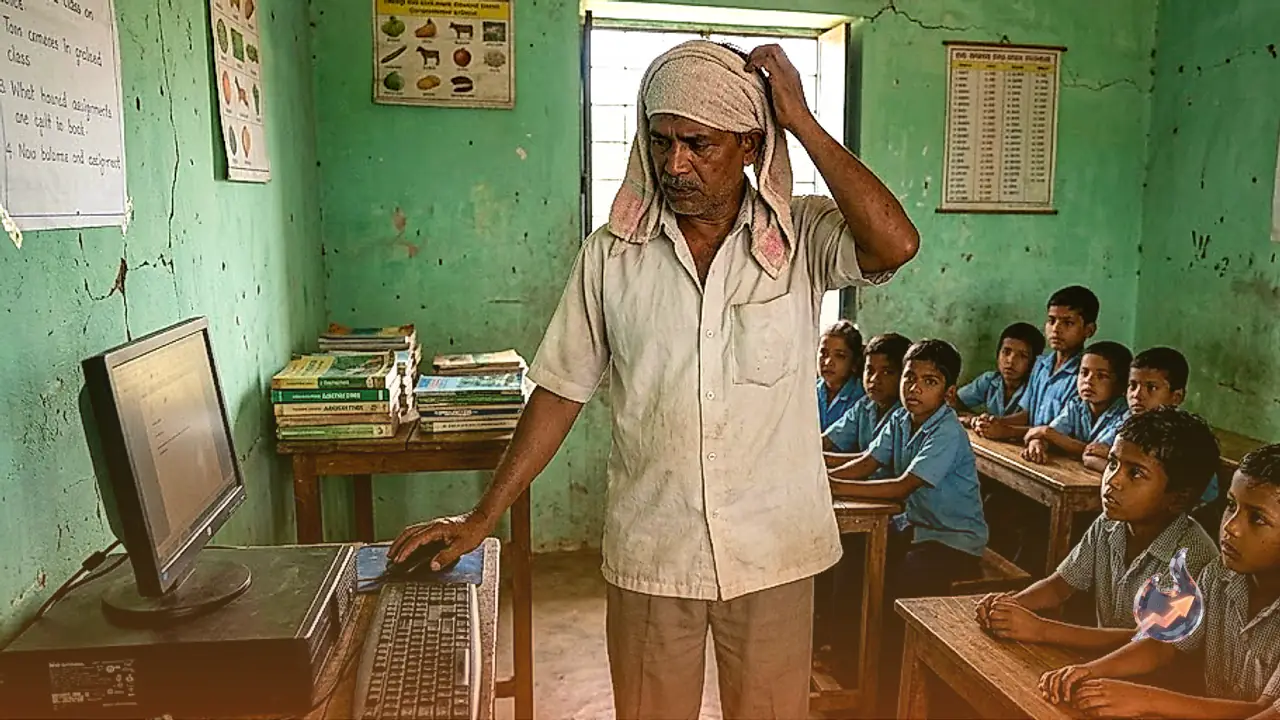
The operational adjustments inside classrooms highlight the severity of the deficit. In certain schools, agriculture instructors have been assigned to teach information technology courses, despite the complete absence of computer equipment on the premises. Without functional labs or specialized mentors, tenth-grade students are forced to depend entirely on independent self-study. Confronted with these hurdles, several learners have switched to unrelated subjects, while others have dropped out of school entirely.
The Scale of the Deficit Across 38,256 Schools
The extent of this educational challenge is reflected in the official operational figures across Chhattisgarh. The state hosts over 38,256 government schools responsible for educating more than 36 lakh children. Against this massive student body, as many as 50,472 teacher positions remain vacant. In addition to regular subject educators, the primary foundation is weakened by a deficit of 30,172 assistant teachers across the network.
Compounding the human resource shortages is the state of campus physical facilities. Children across several localities are attending classes inside fragile and dilapidated school buildings. During the monsoon season, leaking roofs disrupt classroom proceedings, and basic amenities remain largely missing, creating a challenging learning environment for students attempting to complete their syllabus.
Administrative Response and Official Recruitment Plans
Local educational administrators acknowledge that the teaching crisis has had a measurable impact on academic standards. Raipur District Education Officer Satish Kumar confirmed that classroom learning is suffering due to the unavailability of regular teachers. He noted that academic activities are currently being kept afloat through temporary adjustments and redeployment, while acknowledging that such ad-hoc measures are undesirable and that vacant posts need prompt resolution.
Addressing the ongoing crisis, Education Minister Gajendra Yadav stated that detailed reports have been requested from districts regarding institutions facing faculty deficits. He added that a formal recruitment drive for 5,000 teachers is currently underway to address part of the massive staffing gap across the state system.