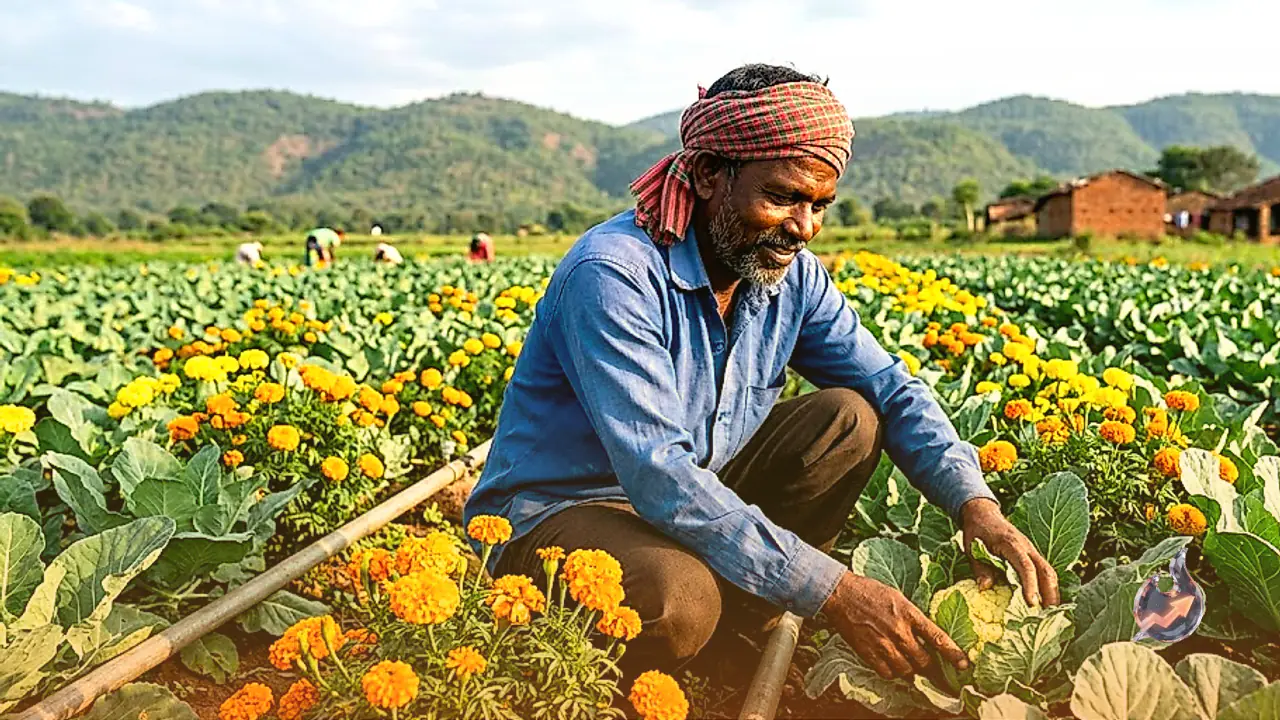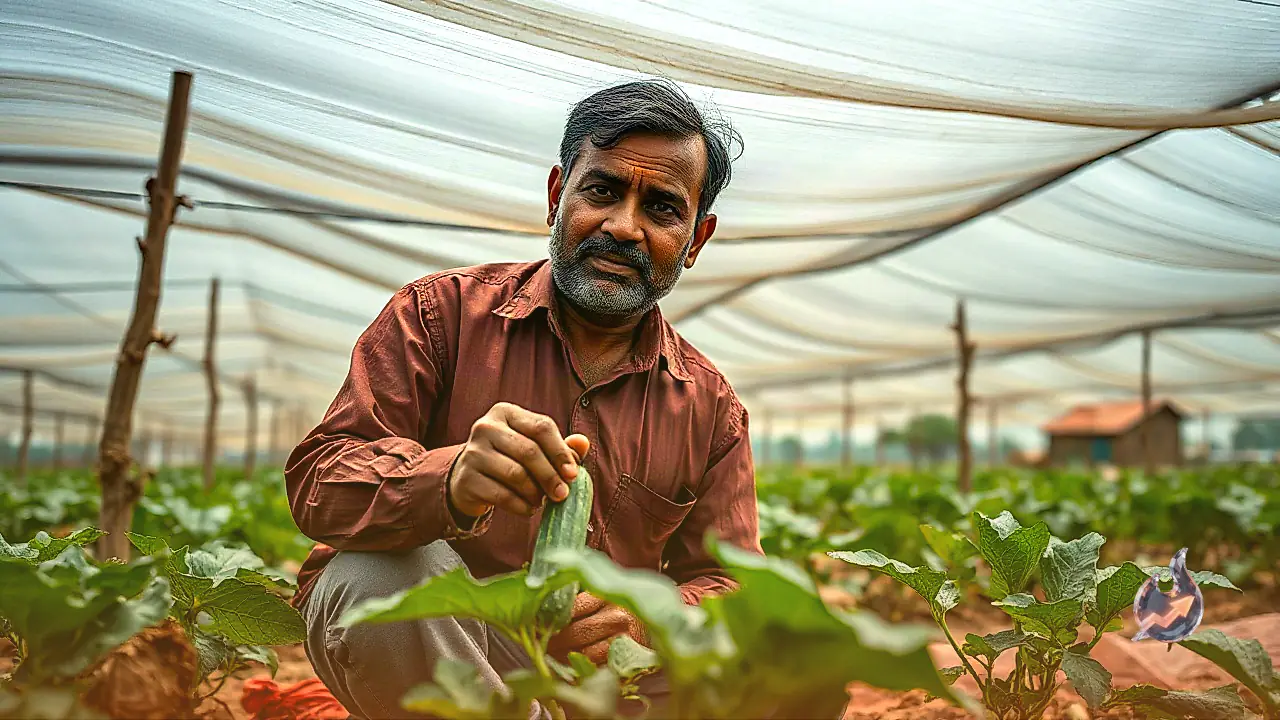

























Farmers cultivating sugarcane on a large scale across Chhattisgarh's Balod district are confronting an increasing incidence of red rot disease in their fields. Observing early warning signs of this destructive infection, agricultural specialists have urged growers to maintain regular field inspections and adopt immediate protective measures before the spread damages entire crop yields.
How Red Rot Damages Internal Stalks and Leaves
Dr KR Sahu, the head and senior scientist at the Krishi Vigyan Kendra in Balod, shared critical insights into the nature of this persistent threat. He noted that red rot ranks among the most damaging ailments affecting sugarcane farming. When the disease takes hold, the interior pulp of the cane begins to rot from within. In the initial stage, growers can identify the trouble by inspecting the leaves, where distinct red markings begin forming along the margins. Without timely intervention, the pathogens gradually spread across the remaining sections of the plant, compromising both crop quality and final production numbers.
Crucial Identification and Vigilance Guidelines
Growers have been instructed to conduct systematic walk-throughs of their sugarcane plantations. Particular attention must be paid to reddish discoloration around leaf edges, sudden signs of plant weakness, and rotting tissue. Dr Sahu emphasized that diagnosing the infection at this early juncture makes remediation significantly more effective. Farmers noticing any of these indicators are advised to seek technical agricultural guidance without delay.
Prescribed Treatments and Spraying Ratios
To arrest the disease, Dr Sahu recommended specific chemical countermeasures. Growers can utilize tebuconazole or azole solutions, mixed at the rate of one millilitre per litre of water, to spray across vulnerable and affected plants. Alongside disease control, pest management interventions were highlighted, specifically the application of thiamethoxam at one gram per litre of water, alongside bifenthrin. Dr Sahu stressed that farmers must strictly adhere to the dosing directions printed on product labels and consult local agricultural field experts before mixing and spraying chemicals.
Immediate Response Needed to Prevent Spread
Senior scientist Dr KR Sahu reiterated that prompt action is essential the moment symptoms surface in a field. Hesitation allows red rot pathogens to travel from infected stalks to healthy adjacent rows. Applying the prescribed treatments promptly curbs the broader transmission of the disease and shields cultivators from severe harvest losses.