





















Bastar Farmer Adopts Intercropping Model, Eyes Strong Returns From Marigold And CauliflowerChhattisgarh
20 Sept 2026, 1:35 pm (1 day ago)· 1

Bastar Farmer Adopts Intercropping Model, Eyes Strong Returns From Marigold And Cauliflower

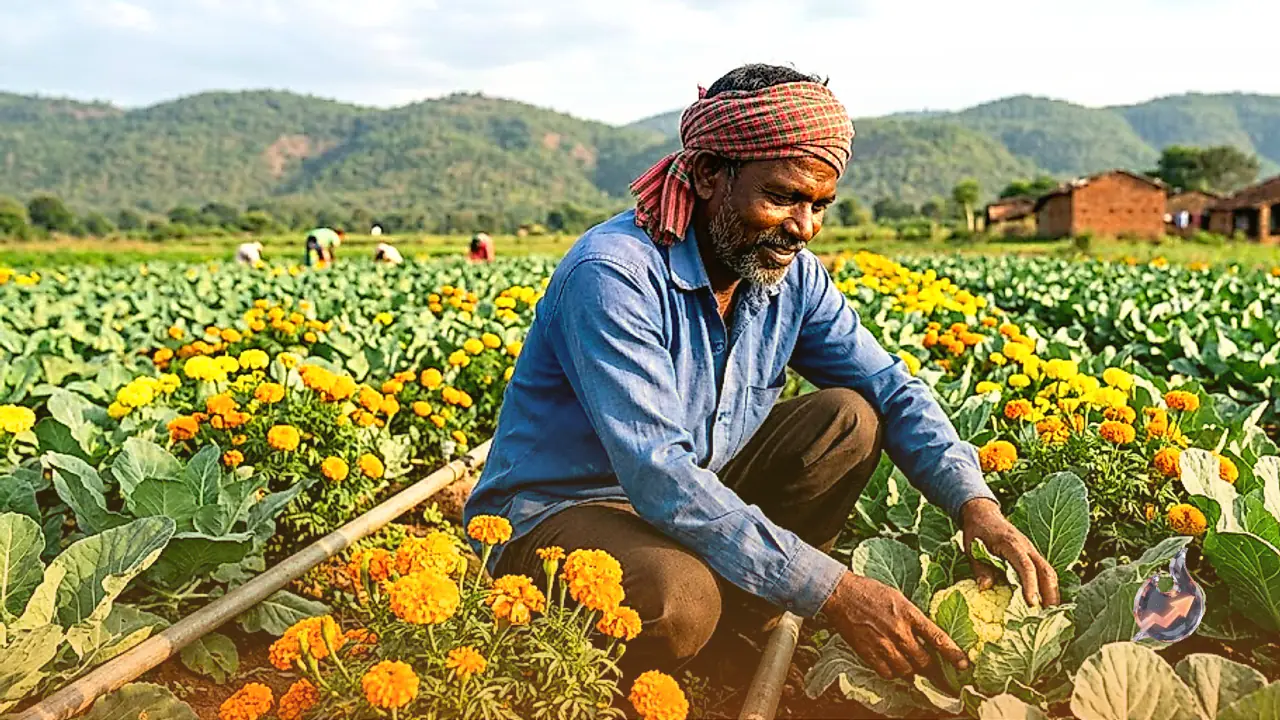
Bastar farmer Surdas Maurya is cultivating hybrid cauliflower alongside Kolkata marigold across six acres, expecting net profits of up to Rs 1.30 lakh.

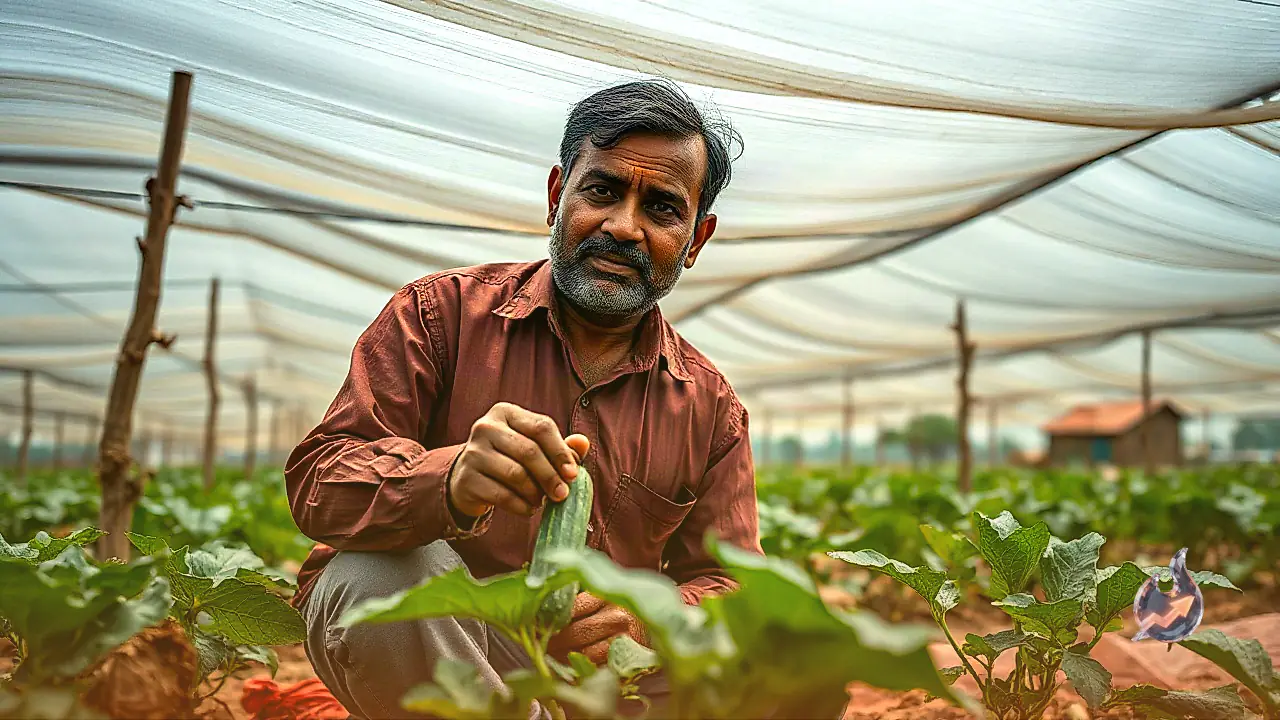
In Chhattisgarh's Bastar region, an innovative cultivation strategy is demonstrating how pairing cash crops can reduce market vulnerability and maximize farm earnings. Farmer Surdas Maurya has implemented an intercropping model across approximately six acres of land by planting cauliflower and marigold side by side. The primary advantage of this agricultural approach is risk mitigation. If unfavorable weather or market fluctuations affect one crop, the yield and revenue generated from the other cushion the blow and prevent total financial loss. In current trading, cauliflower commands around Rs 50 per kilogram, while marigold prices range between Rs 60 and Rs 100 per kilogram.

Soil Preparation And Spacing Strategy

Surdas Maurya outlined a systematic process to prepare the soil before sowing. The land underwent two to three rounds of deep plowing, followed by rotavator tilling to ensure a finely textured seedbed. Raised beds were then constructed at intervals of four feet across the plot. Young saplings from the nursery were transplanted directly onto these beds, maintaining a strict spacing of one foot between individual plants. Specific crop varieties were chosen to target market preferences, using a hybrid cauliflower variety along with the popular Kolkata variety for marigold. The entire preparation and planting process across the six acres required an expenditure of approximately Rs 50,000 to Rs 60,000.

Also read

Nutrient Inputs And Disease Management

Ensuring balanced nutrition has been central to maintaining plant vigor across the field. Maurya incorporated a mix of DAP, decomposed cow dung manure, urea, potash, and a balanced 19:19 fertilizer formula. Managing biological pests is equally critical, as each crop presents distinct vulnerabilities. Cauliflower plants are prone to leaf-boring insects and pests, whereas marigold plants occasionally suffer from wilting diseases that cause the stems to dry up. The farmer uses targeted chemical and medicinal sprays to keep these infestations under control and safeguard plant health.

Harvest Timeline And Projected Earnings

The intercropping schedule is structured to capitalize directly on major festive demand. The marigold blooms are timed to mature right around Durga Puja and Diwali, when wholesale flower prices generally peak. Meanwhile, the cauliflower crop matures within 45 to 60 days, projected to deliver an initial profit of around Rs 50,000. Once the cauliflower heads are harvested, the marigold plants continue blooming for another three months. This staggered schedule keeps the land continuously productive without leaving fields fallow, with Maurya projecting total net earnings between Rs 1,00,000 and Rs 1,30,000 from the combined venture.


Questions & Answers

How much land is Surdas Maurya cultivating in Bastar?
Farmer Surdas Maurya is practicing intercropping across approximately six acres of land.
What are the prevailing market rates for cauliflower and marigold?
Cauliflower is currently priced at Rs 50 per kg, while marigolds sell between Rs 60 and Rs 100 per kg.
Which seed varieties were selected for this farm plot?
The farmer planted a hybrid variety of cauliflower alongside the Kolkata variety of marigold.
What was the total expenditure incurred on the six-acre plot?
The overall cost for land preparation, fertilizers, and saplings came to approximately Rs 50,000 to Rs 60,000.
What is the maturation timeline for these two crops?
Cauliflower reaches maturity within 45 to 60 days, while marigold plants yield flowers continuously for up to three months.
What is the estimated net profit from this intercropping venture?
The farmer anticipates a total net profit ranging from Rs 1,00,000 to Rs 1,30,000 from both crops combined.

Comments 5

Arjun Mehta@arjun-mehta·23h ago

This report from Bastar highlights an important dimension of agricultural policy and rural governance. The adoption of an intercropping model demonstrates how localized farm-level innovations can effectively mitigate market risks for smallholders. From a public policy perspective, integrating such grassroots models with state horticulture schemes and direct market linkages can serve as a vital governance tool to strengthen economic stability and self-reliance in remote regions.

Rohan Gupta@rohan-gupta·23h ago

Building on Arjun's perspective, incorporating AgTech and digital innovations can multiply the impact of such intercropping models. In regions like Bastar, precision farming tools, smart pest detection apps, and weather forecasting sensors can significantly lower production risks. By leveraging data-driven nutrient and irrigation management, farmers can further optimize crop yield and profitability. Connecting these local harvests to digital agricultural marketplaces and direct-to-consumer tech platforms will ensure maximum realization of festival demand without middleman leakages.

Rohan Verma@rohan-verma·1d ago

This intercropping model demonstrates a practical strategy for risk mitigation and income stabilization in rural agriculture. Combining short-cycle cash crops with commercial floriculture effectively hedges against market volatility and potential crop loss. Strategically aligning the harvest schedule with peak festive demand optimizes profit margins relative to production costs. From a policy standpoint, promoting such diversified farming models and scientific cultivation techniques through agricultural extension networks can substantially improve the financial resilience of small and marginal farmers.

Ravikash Gupta@ravikash·1d ago

Building on Rohan's point, the core economic value of this intercropping model lies in optimizing capital turnover and cash flow for smallholders. Unlike traditional long-gestation crops, combining short-cycle cash crops with high-demand festive horticulture delivers fast liquidity within 45 to 60 days. This immediate revenue stream reduces reliance on informal high-interest debt. If supported by stronger local market linkages and cold-chain infrastructure, such crop-mix strategies can lower post-harvest distress sales and significantly boost net economic productivity across rural hubs like Bastar.

Karan Malhotra@karan-malhotra·1d ago

In sensitive regions like Bastar, economic stability directly impacts public safety and social order. When local farmers achieve financial self-reliance through intercropping and cash-crop models, it significantly reduces the vulnerability to crime and unlawful exploitation driven by economic hardship. Sustainable agricultural practices not only strengthen the rural economy but also create a crucial foundation for long-term law enforcement, crime deterrence, and community security.

Citizen journalism

Become a TrendKia journalist

Voice of the people

Share news, photos and videos from your area with TrendKia and let your voice reach the nation. Every citizen a journalist.

Join now
CH 01 LIVE
TrendKia TV ON AIR
Chamar no WhatsApp