






















TrendKia
AllLiveNational
World
All World
PakistanChinaAmericaEuropeAsia
Politics
Uttar Pradesh
Uttar Pradesh
Uttar PradeshBiharMadhya PradeshRajasthanDelhiMaharashtraGujaratPunjabHaryanaWest BengalTamil NaduKeralaKarnatakaTelanganaAndhra PradeshJharkhandChhattisgarhOdishaAssamUttarakhandHimachal PradeshJammu & KashmirGoaChandigarhPuducherry
Travel
Travel
Business
MarketMoneyAutoBenefitsSuccess StoriesCryptoAI
Sports
CricketTennisFootball
EntertainmentMovies, TV & celebrities
BollywoodOTTBhojpuriMovie ReviewsTVHollywood
TechnologyGadgets, apps & innovation
AccessoriesLaunch & ReviewDIY
HealthHealth, fitness & wellness
LifestyleFashion, relationships & lifestyle
Fashion & BeautyCultureRelationshipsTrendsParenting
FoodRecipes, food & restaurants
ReligionFaith, belief & spirituality
FestivalsVastuSpirituality
Astrology
AriesTaurusGeminiCancerLeoVirgoLibraScorpioSagittariusCapricornAquariusPisces
TravelDestinations & travel guides
Travel Tips
EducationJobs, exams & results
VacanciesAdmissionExamResultsCareer
Live
National
World
Pakistan China America Europe Asia
Politics
Business
Market Money Auto Benefits Success Stories Crypto AI
Sports
Cricket Tennis Football
Entertainment
Bollywood OTT Bhojpuri Movie Reviews TV Hollywood
Technology
Accessories Launch & Review DIY
Health
Lifestyle
Fashion & Beauty Culture Relationships Trends Parenting
Food
Religion
Festivals Vastu Spirituality
Astrology
Aries Taurus Gemini Cancer Leo Virgo Libra Scorpio Sagittarius Capricorn Aquarius Pisces
Travel
Travel Tips
Education
Vacancies Admission Exam Results Career
Uttar Pradesh Bihar Madhya Pradesh Rajasthan Delhi Maharashtra Gujarat Punjab Haryana West Bengal Tamil Nadu Kerala Karnataka Telangana Andhra Pradesh Jharkhand Chhattisgarh Odisha Assam Uttarakhand Himachal Pradesh Jammu & Kashmir Goa Chandigarh Puducherry
About Contact Privacy Cookies Terms Advertise
TrendKia logo Hindi • English News Platform

TrendKia

Fast • Fresh • Always Trending

TrendKia is a free bilingual Hindi–English news platform — trending stories from India and around the world. Sign in with Google to comment and follow topics.

About Us
TrendKia news app preview
TrendKia
AboutContactPrivacyCookiesTermsAdvertise
Before GPS Tags, Rajasthan's Herders Identified Their Livestock by the Sound of a BellCulture
2 hours ago· 2

Before GPS Tags, Rajasthan's Herders Identified Their Livestock by the Sound of a Bell

Before GPS and digital tags, Rajasthan's villages identified livestock by the distinct tone of the bells tied around their necks. Here's how the tradition worked and where its legacy survives today.

Meera JoshiMeera JoshiRelationships & Wellness Correspondent 2 min read For AI
Share

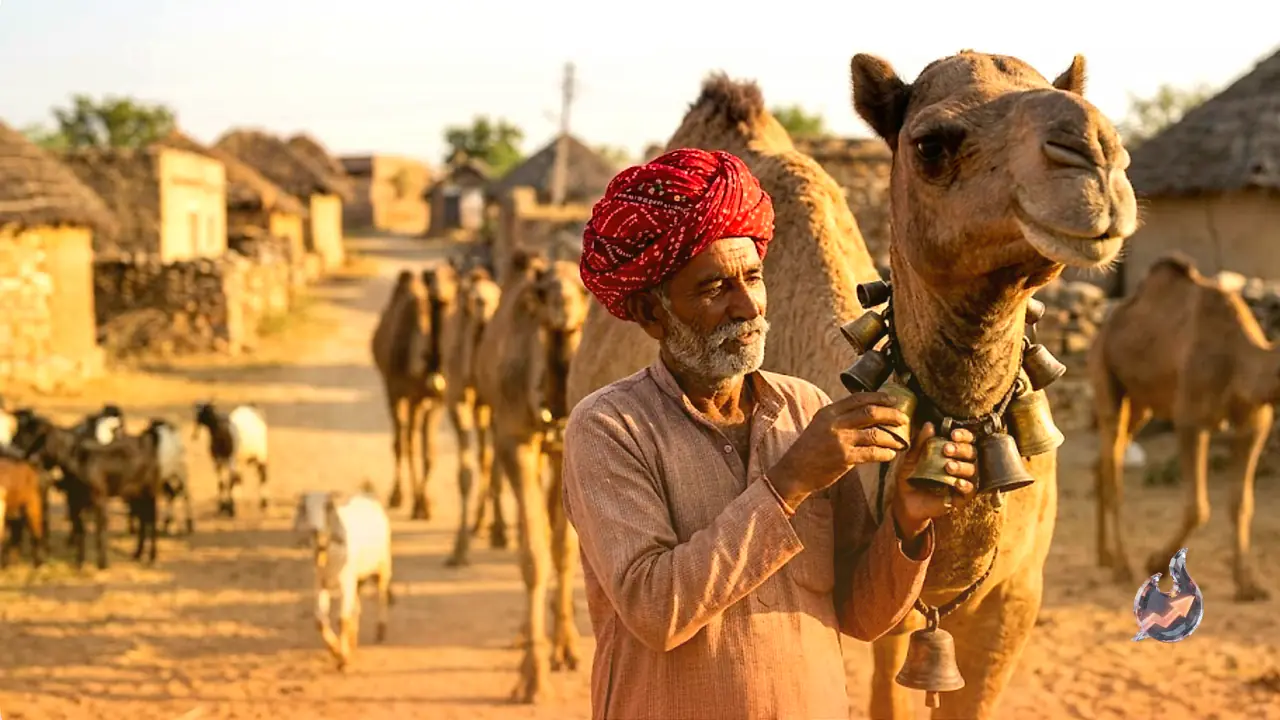
Long before GPS collars and digital ear tags arrived, villages across Rajasthan, including those around Jodhpur, had their own way of telling one herd from another: the sound of a bell. Camels, cows, bulls, sheep and goats each wore bells around their necks, and every bell had a tone distinct enough that herders could recognise, from several kilometres away, whose animal and whose herd was approaching. This wasn't just a practical trick, it was woven into the fabric of Rajasthan's rural folk culture.

A bell tuned for every animal

Local artisans crafted these bells with great care. The size, weight and metal of each bell were chosen deliberately so that its sound would stand apart from every other animal's bell. Camels wore large bells with a deep, resonant ring, while cows, bulls, sheep and goats each had their own smaller, differently shaped bells. That deliberate variation meant a herder could identify an animal purely by the sound carrying across the fields.

Tracking a herd by ear

For herders, these bells worked like an early warning system. The clang of a bell let them keep tabs on every animal's movement without watching constantly. If one animal strayed from the herd while grazing, there was no need to search blindly, following the sound of its bell was usually enough to lead the herder straight to it.

The soundtrack of every Rajasthani village

From morning to evening, the tinkling of bells from grazing herds was part of the everyday soundscape of Rajasthan's villages. It did more than make animal husbandry easier, it added a musical rhythm to daily rural life. That is why these bells are remembered not just as functional tools but as pieces of folk craftsmanship and cultural heritage.

Technology moved in, but the legacy stays

Modern tools like digital tags have since replaced these traditional bells, but their historical and cultural value hasn't faded. Several museums and folk heritage centres across Rajasthan have preserved these bells, and visitors from India and abroad come to see them and understand the lifestyle and the unique tradition of animal husbandry from that era. These bells still stand as proof that Rajasthan's folk culture isn't confined to history books, it's a priceless heritage worth preserving for generations to come.

What this means for you

  • Across India: The tradition is a reminder that resourceful, low-tech systems existed for managing livestock long before digital tags, and they're worth preserving as folk heritage.
  • In Rajasthan: Museums and folk heritage centres around Jodhpur and elsewhere in Rajasthan that display these bells draw tourists, giving local tourism a boost.

Questions & Answers

How did villages in Rajasthan identify livestock in the past?
Instead of digital tags or GPS, camels, cows, bulls, sheep and goats were identified by the distinct sound of the bells tied around their necks.
Were all the bells identical?
No, camels wore large bells with a deep, resonant ring, while cows, bulls, sheep and goats each had smaller bells of different shapes and sizes.
From how far away could herders recognise a bell's sound?
The tones were distinct enough that herders could tell, from several kilometres away, which animal and whose herd was approaching.
What happened if an animal strayed from the herd?
Herders simply followed the sound of its bell to find it, without needing to search the area blindly.
Who made these bells?
Local artisans crafted them carefully, choosing the size, weight and metal so each bell's sound was distinct from the others.
Where can these traditional bells be seen today?
They are preserved in several museums and folk heritage centres across Rajasthan, drawing visitors from India and abroad.
Meera Joshi
About the authorMeera JoshiRelationships & Wellness Correspondent Jammu and kashmir
ExpertiseRelationships, Mental Health, Wellness, Lifestyle, Dating, Marriage, Emotional Well-being, Self-Development, Mindfulness, Work-Life Balance

Meera Joshi is a Relationships & Wellness Correspondent covering modern relationships, mental well-being, lifestyle, and personal development. She writes insightful stories on emotional health and human connection.

Meera Joshi is a Relationships & Wellness Correspondent specializing in lifestyle journalism focused on relationships, mental health, emotional well-being, and personal development. She covers topics such as modern dating, marriage, communication, self-growth, mindfulness, and work-life balance. With a compassionate and research-driven approach, Meera explores the psychological and social aspects of human relationships, offering readers practical insights and relatable perspectives. Her reporting aims to help audiences navigate emotional challenges, build healthier relationships, and improve overall well-being in today’s fast-paced world.

View full profile ↗
#Culture#RajasthanFolkTradition#AnimalHusbandry#Bells#CamelHerding#Jodhpur#FolkCraft#CulturalHeritage#RuralLife

Comments 0

Sign in to join the conversation.

Sign in

No comments yet — be the first.

Three Indian Sailors Killed in Gulf of Oman Strike: Shashi Tharoor Tears Into US Over 'Insensitive' Statement, Presses Jaishankar TooPolitics1
Three Indian Sailors Killed in Gulf of Oman Strike: Shashi Tharoor Tears Into US Over 'Insensitive' Statement, Presses Jaishankar Too
Wall Street's Big Bet on AMZN: Where Could Amazon Stock Land Between 2026 and 2028?Market2
Wall Street's Big Bet on AMZN: Where Could Amazon Stock Land Between 2026 and 2028?
FCC's 'Know Your Customer' Plan Could End Anonymous Phones — Plus the Week's Biggest Breaches and BustsSecurity3
FCC's 'Know Your Customer' Plan Could End Anonymous Phones — Plus the Week's Biggest Breaches and Busts

Latest news straight to your inbox

The day's big stories, in one email.

TrendKia बाज़ारAdvertisementमानसून सेल — हर चीज़ पर 50% तक छूटTrendKia बाज़ारअभी खरीदें →
Citizen journalism

Become a TrendKia journalist

Voice of the people

Share news, photos and videos from your area with TrendKia and let your voice reach the nation. Every citizen a journalist.

Join now
Citizen journalistCitizen journalist
Citizen journalist
Citizen journalist

Related stories

A Phone-Free Week in New York Is Turning Gen Z's Tech Fatigue Into a MovementCulture
A Phone-Free Week in New York Is Turning Gen Z's Tech Fatigue Into a Movement
4 hours ago
This Samastipur Craftsman Still Handcrafts Harmoniums the Old Way, and Orders Come In From as Far as DelhiCulture
This Samastipur Craftsman Still Handcrafts Harmoniums the Old Way, and Orders Come In From as Far as Delhi
12 hours ago
Reddit’s ‘Almost Homeless’ Subreddit Offers a Grim Look at Growing Financial InsecurityCulture
Reddit’s ‘Almost Homeless’ Subreddit Offers a Grim Look at Growing Financial Insecurity
4 days ago
Clash in Paris Highlights the Growing PR Nightmare of Intense Celebrity FandomsCulture
Clash in Paris Highlights the Growing PR Nightmare of Intense Celebrity Fandoms
6 days ago
The Voice That Made History: Remembering Gauhar Jaan, India's First Recording StarCulture
The Voice That Made History: Remembering Gauhar Jaan, India's First Recording Star
7 days ago
In a Gaya village, four generations have kept the craft of the tazia aliveCulture
In a Gaya village, four generations have kept the craft of the tazia alive
7 days ago
Coated in Nearly a Kilo of Gold, Bikaner's Tazia Carries 22 Years of CraftCulture
Coated in Nearly a Kilo of Gold, Bikaner's Tazia Carries 22 Years of Craft
7 days ago
On the Banks of Bhimsagar, Mahu's Moti Mahal Still Keeps the Khinchi Dynasty's Story Alive in StoneCulture
On the Banks of Bhimsagar, Mahu's Moti Mahal Still Keeps the Khinchi Dynasty's Story Alive in Stone
8 days ago