

















Situated in the historic city of Jaunpur, Uttar Pradesh, the Lal Darwaza Masjid is far more than a mere architectural structure; it stands as a testament to centuries of rich heritage and shifting historical narratives. While contemporary visitors and locals recognize the monument primarily as Lal Darwaza Masjid, its original designation has largely faded from public memory. According to historical researcher Azmat, the mosque's original name was 'Namazgah.' The transition from Namazgah to its current name is tied to a compelling historical narrative involving royal patronage and architectural evolution.
The Role of Bibi Raje and the Origin of Namazgah
The construction of the mosque traces back to Bibi Raje, the influential queen and wife of Sultan Mahmud Shah Sharqi. Bibi Raje held significant sway within the administration of the Sharqi dynasty and was actively involved in social welfare, religious patronage, and initiatives aimed at women's empowerment. The mosque was specifically commissioned by her for a revered elder named Syed Ali, who was associated with the area located directly behind the famous Bari Masjid in Jaunpur.
Mahal Sara and the Evolution of the Name 'Lal Darwaza'
Historian Azmat explains that Bibi Raje resided in a royal palace complex known as 'Mahal Sara.' The mosque was constructed directly adjacent to Mahal Sara so that Syed Ali could comfortably reside there, dedicate his time to daily prayers, and conduct religious worship. The architectural finesse and intricate carvings of the mosque continue to showcase the extraordinary craftsmanship of the era. The inscriptions on the walls and the distinct structural style firmly establish it among Jaunpur's most valuable heritage landmarks.
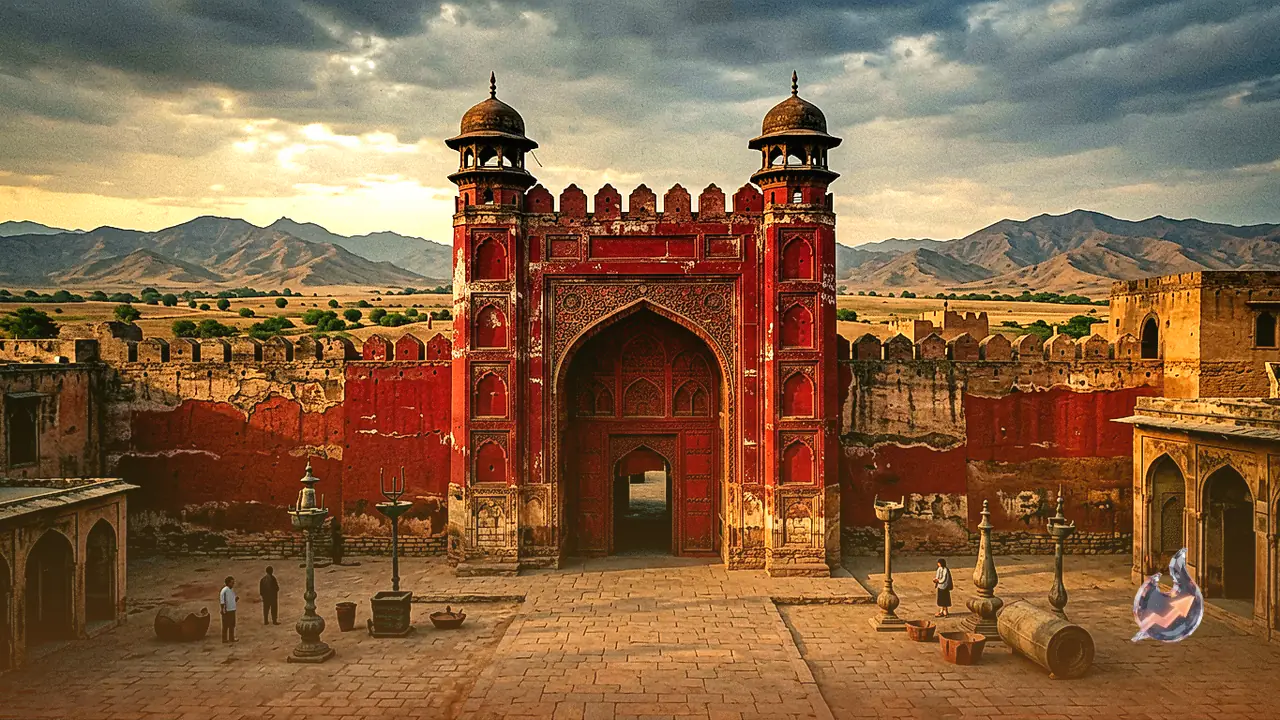
Initially, the monument was known strictly as Namazgah. However, over time, the striking crimson red gate of Bibi Raje's palace, Mahal Sara, became a prominent landmark for the local community. People began referring to the entire surrounding area as 'Lal Darwaza' (Red Gate). Gradually, this colloquial reference gained such widespread popularity that the mosque's original name, Namazgah, slipped out of common usage, leaving 'Lal Darwaza Masjid' as its permanent identity.
Preservation Challenges and Tourism Potential in Jaunpur
Unlocking the full history of Jaunpur presents significant challenges today. Azmat points out that a substantial portion of historical literature regarding Jaunpur was documented in Persian. While some accounts exist in Urdu, their publication and distribution remained quite limited over the decades. Consequently, the younger generation faces a growing disconnect from the city's rich historical legacy.
Azmat emphasizes the urgent need to integrate Jaunpur's heritage sites into broader tourism networks. Nearby Varanasi attracts vast numbers of domestic and international tourists, yet Jaunpur possesses an equally impressive repository of historical monuments. Realizing this potential requires systematic conservation, beautification, and active promotion of these historical stories to global travelers. The story of Lal Darwaza Masjid is not merely about a change of names, but a reminder of Jaunpur's glorious past that deserves to be studied, appreciated, and preserved for future generations.