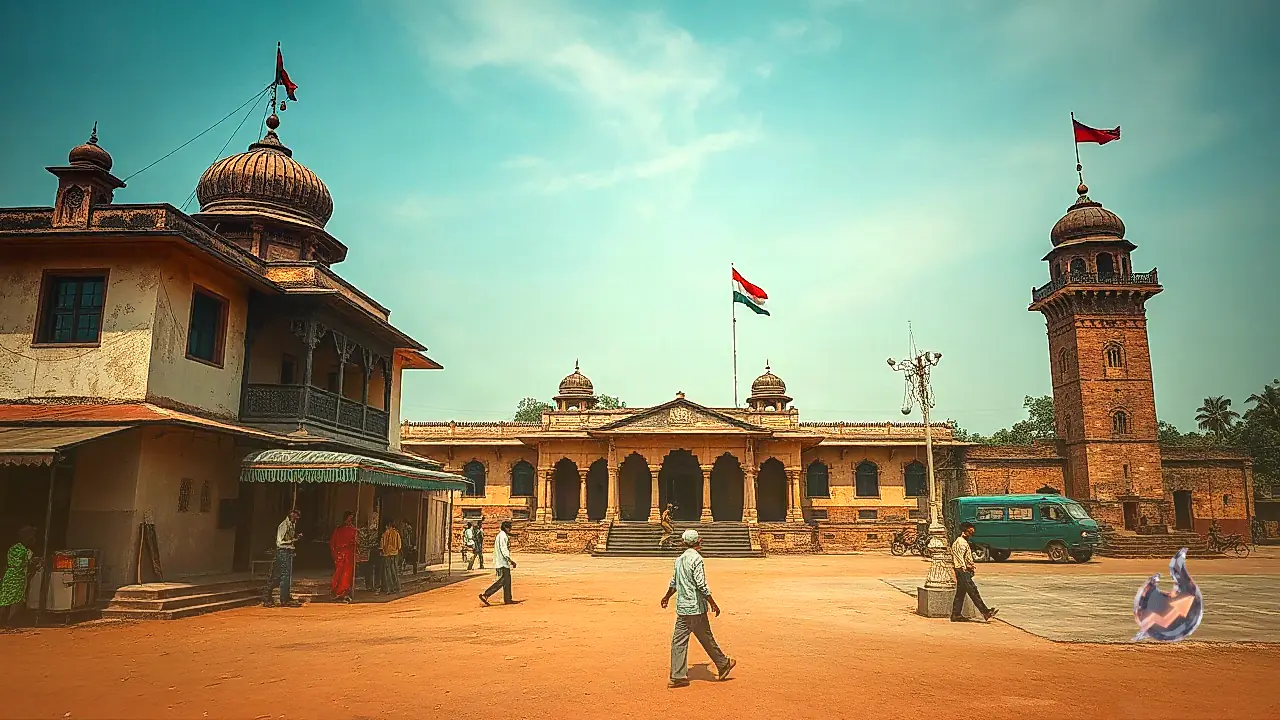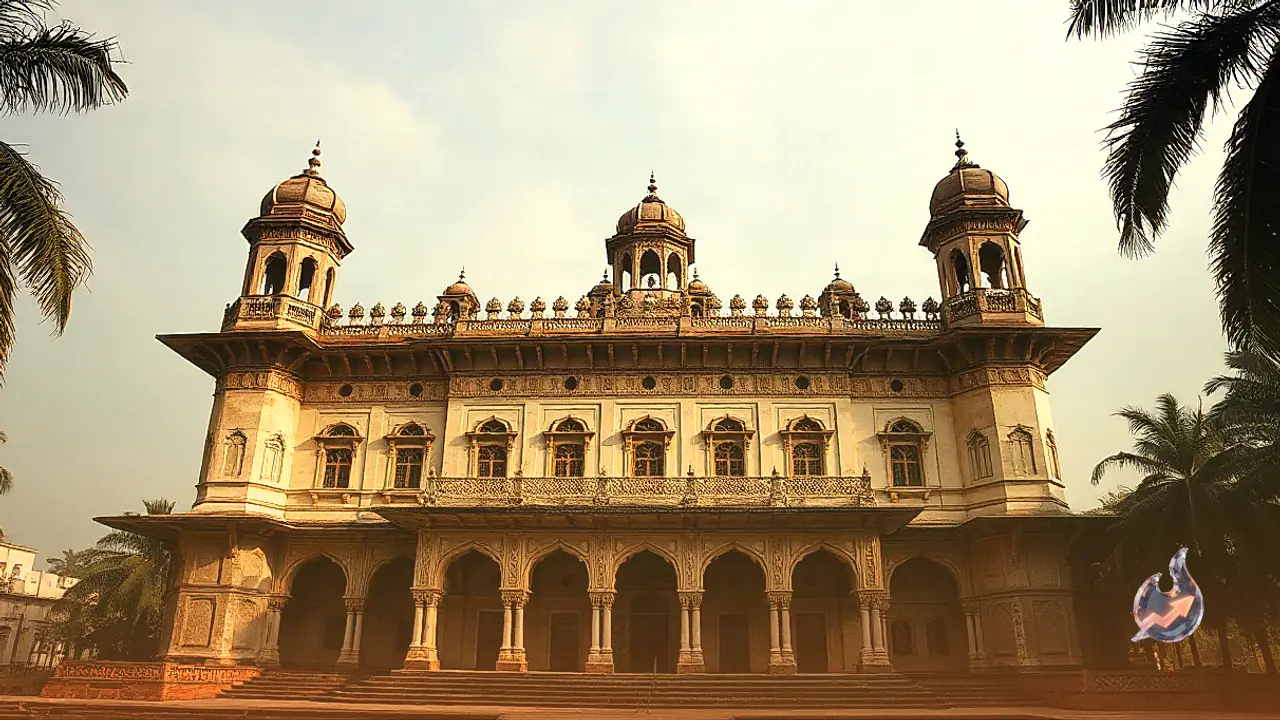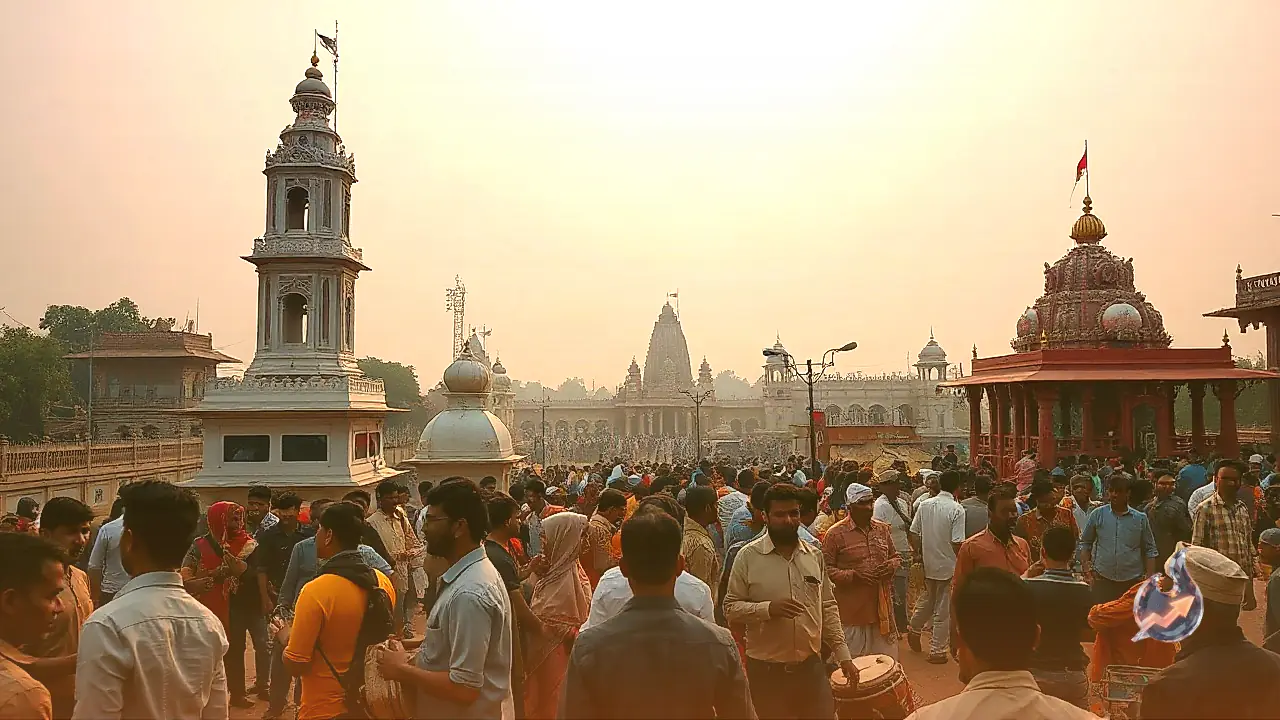
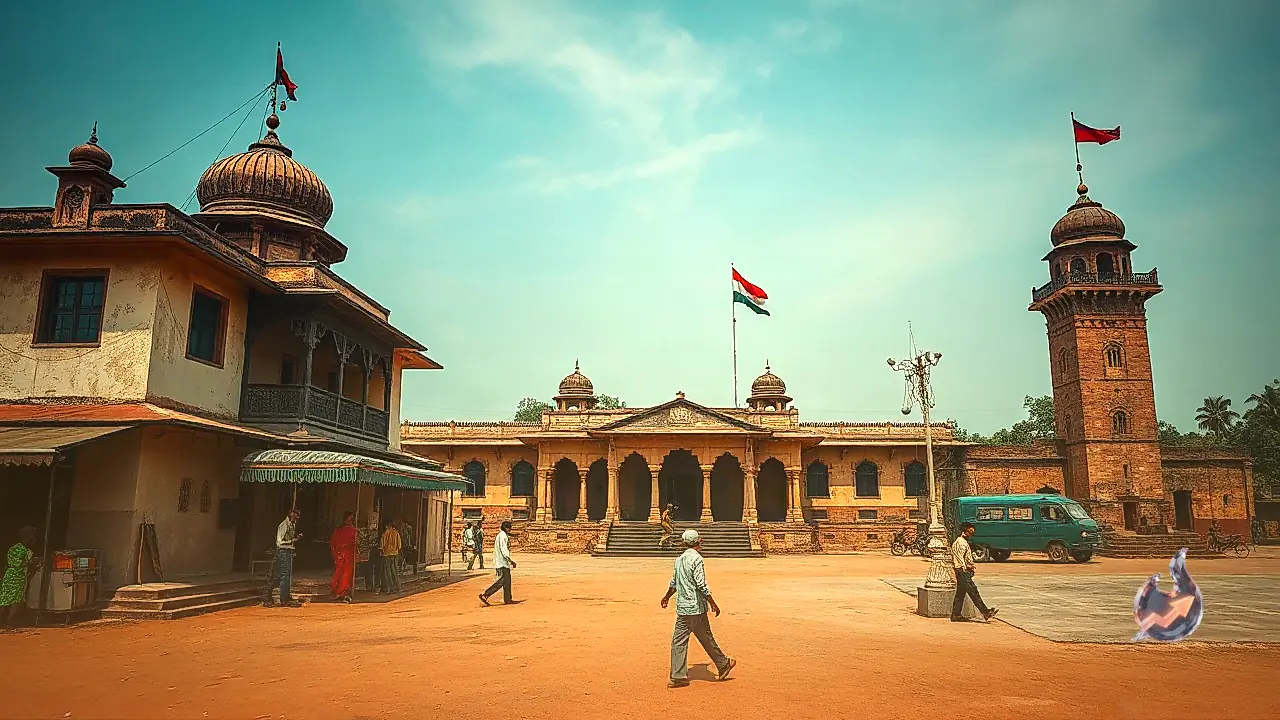


















Sultanpur's Kasba locality holds several layers of history within a few hundred metres of each other, an 850-year-old mosque, a crumbling Imambara right beside it, more than a dozen old wells and a Sai Kuti. Of all these, it is the Jinnati Masjid that draws the most attention, because its outer wall still carries a deep mark that residents connect to a British-era cannonball. That mark is not just a scar on an old building, it has become a living reminder of a painful chapter in the area's past.
An 850-year-old mosque still standing in Kasba
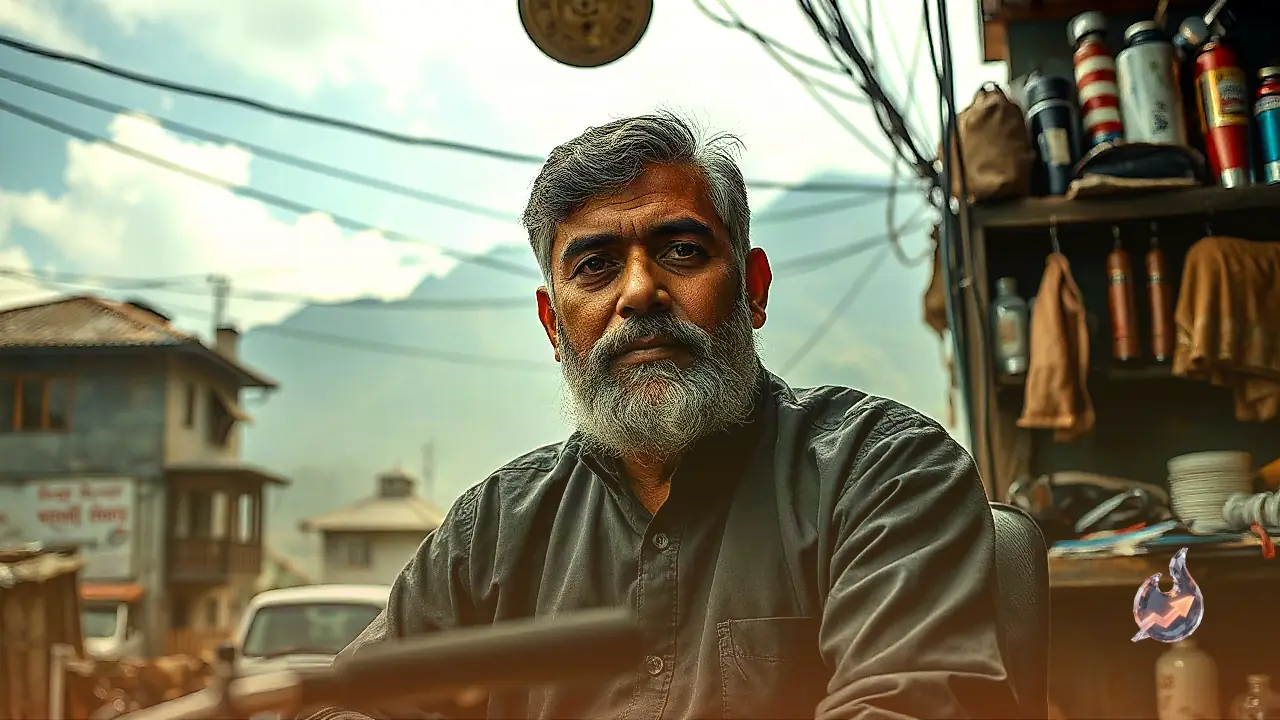
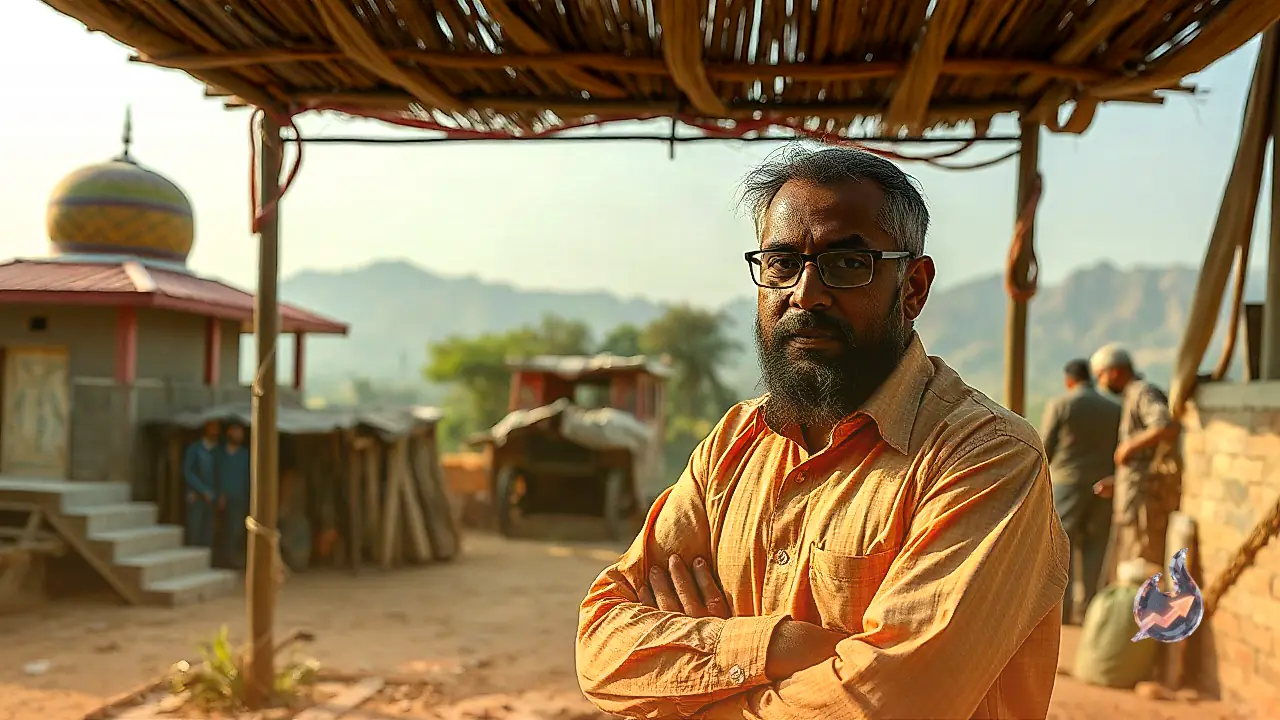
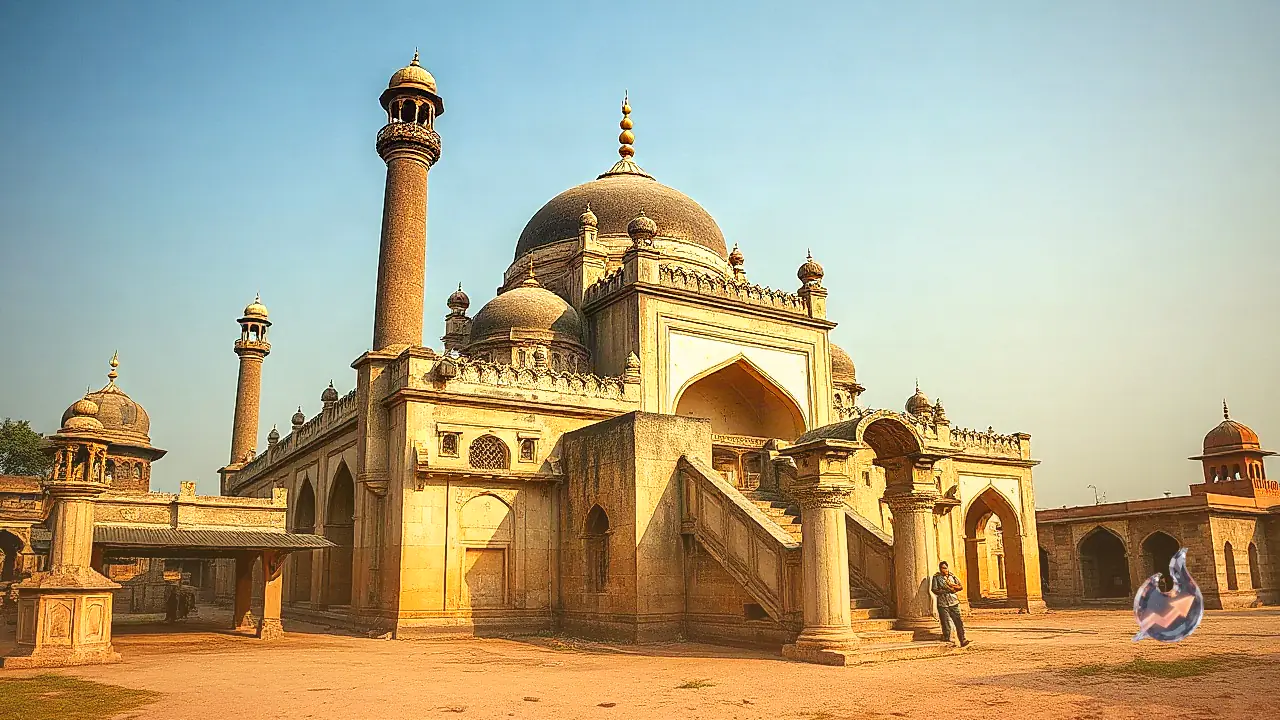
Locally, this mosque is also referred to as the Badshahi Masjid. It sits in the Kasba locality of Sultanpur and residents count it among the town's oldest landmarks. Zubair Ahmed, who has served as the former pradhan of Kasba village, says the mosque is roughly 850 years old. According to him, the mosque went through oppression and hardship during the British era, and faced damage more than once over the decades, yet neither people's faith in it nor its historical standing ever diminished. In recent years the mosque has been renovated so that the structure survives for future generations. Elderly residents have passed this history down through the generations, which is why even younger residents today are aware of the building's significance.
The wall mark residents call a cannonball scar
A deep mark is still clearly visible on the Jinnati Masjid's outer wall. Local residents claim it was left by a cannonball fired at the mosque during British rule. Even after all these years the mark has not faded, and anyone who looks closely is reminded of the events of that period. That is why this wall has come to be seen as more than part of a building, it stands as a living marker of oppression under British rule. Several older residents point to the mark while telling children and young people the stories tied to it, keeping the memory alive across generations.
The Imambara next door, now largely in ruins
An old Imambara stands right next to the Jinnati Masjid. Local belief holds that the ruler of that period once lived in this Imambara. But with no upkeep and hundreds of years having passed, the structure is now in a badly dilapidated state. Most of it today looks like a ruin, with walls broken in several places. Even so, whatever remains still offers a glimpse of the area's royal past. Residents worry that without timely attention, the building could disappear completely in the coming years.
More than 16 old wells and a Sai Kuti in the same area
The Kasba locality, on the southern edge of K.N.I.T., is not limited to just the mosque and the Imambara. More than 16 old wells exist nearby, which residents treat as proof of how old the area really is. Such a large number of wells by itself suggests the area was once densely settled, since in earlier times a settlement's water needs were largely met by wells. It is believed that this stretch once formed the centre of the main Sultanpur town. The same area is also home to a Sai Kuti, said to be around 850 years old as well. Having a mosque, an Imambara, wells and a Sai Kuti all within one locality makes Kasba significant from both a religious and a historical standpoint, giving visitors a chance to see different layers of history side by side.
A heritage that keeps deteriorating with time
The Jinnati Masjid, the Imambara, the old wells and the Sai Kuti together form important links in Sultanpur's history. But several of these structures have grown dilapidated over the years, and some have all but turned into ruins. That makes the need to preserve them more urgent by the day. Renovating the Jinnati Masjid has been one necessary step in that direction, but the worsening condition of structures like the Imambara shows that far more work remains if the rest of this heritage is to be saved. Residents say that if both the administration and the community pay attention, this entire cluster of heritage in Kasba can still be preserved for future generations.