

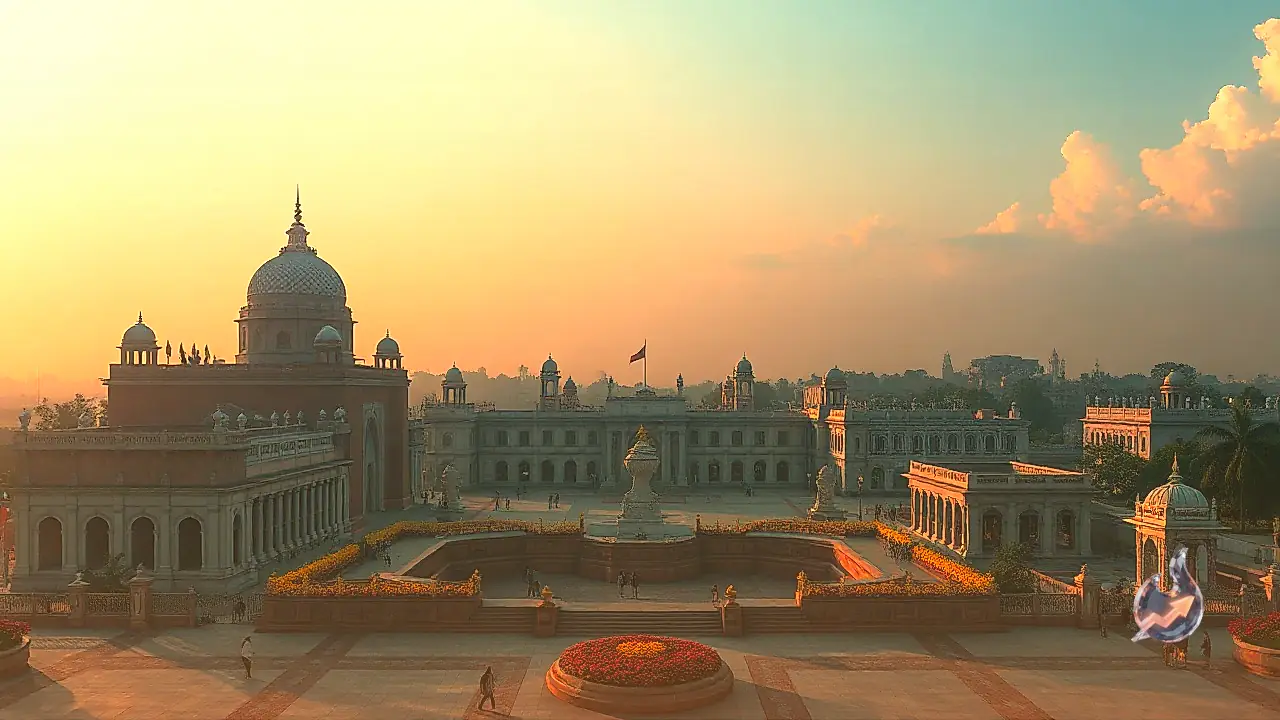


















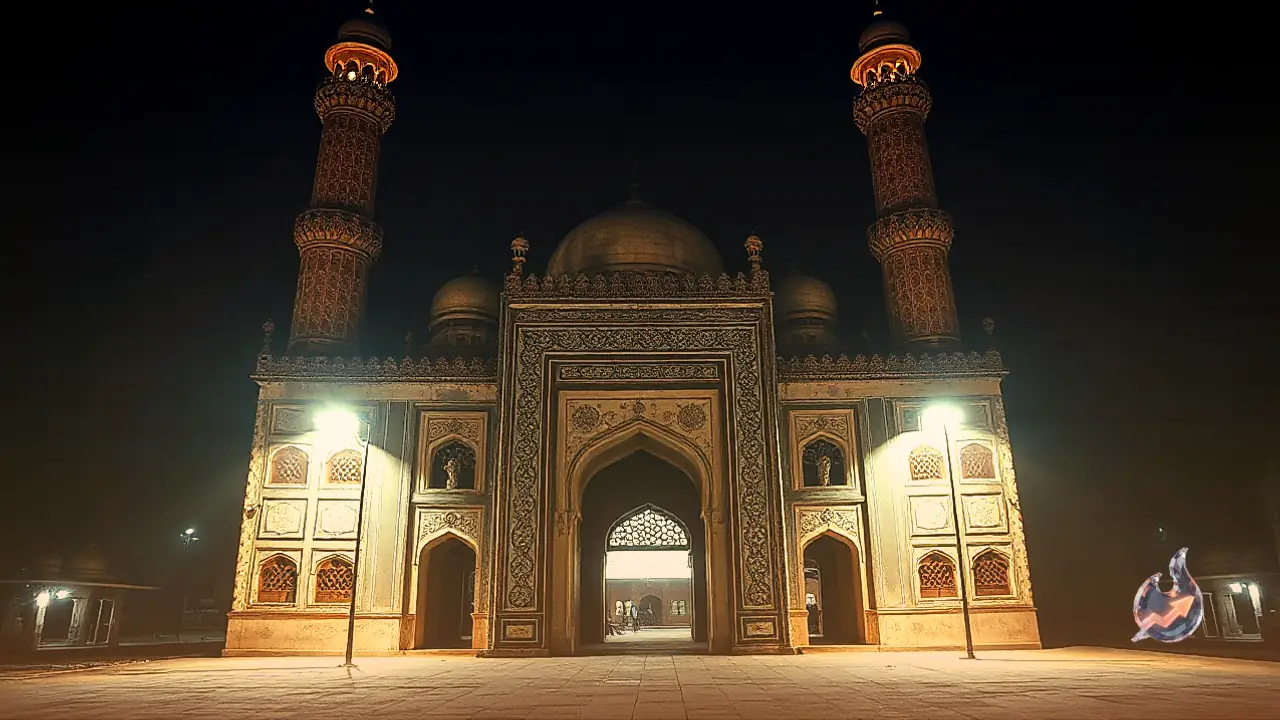

Located a short distance from the iconic Charminar in Hyderabad, Jama Masjid Shujaya stands not merely as a place of worship, but as a living testament to the founding and rich heritage of the city. Built in 1597 AD during the reign of Sultan Muhammad Quli Qutb Shah, who founded Hyderabad, this structure holds the distinction of being the city's very first public Jama Masjid constructed for general citizens right after the completion of Charminar. A classic masterpiece of Qutb Shahi architecture, the mosque now faces severe neglect, prompting urgent calls from historians and local residents for its immediate restoration.
Unique Architectural Design Centered Around the Number Seven
The architectural grandeur of the Qutb Shahi era is fully reflected in the unique structural design and precision of this mosque. The number seven plays a central mathematical role throughout its construction. The main hall features seven distinct arches, seven prayer niches, and seven aligned seating rows arranged for worshipers.
Furthermore, the building incorporates a natural acoustic eco-system engineered so effectively that the voice of an Imam standing in the front row travels clearly to a worshiper in the farthest corner of the back row without the use of any modern loudspeakers. The premises also house a rare 400-year-old throne crafted from black stone, highlighting the craftsmanship of that period. As noted by Omar Pasha, the trajectory of this historic site has passed through several remarkable historical phases.
From Mughal Imperial Station to Stables and City's First Seminary
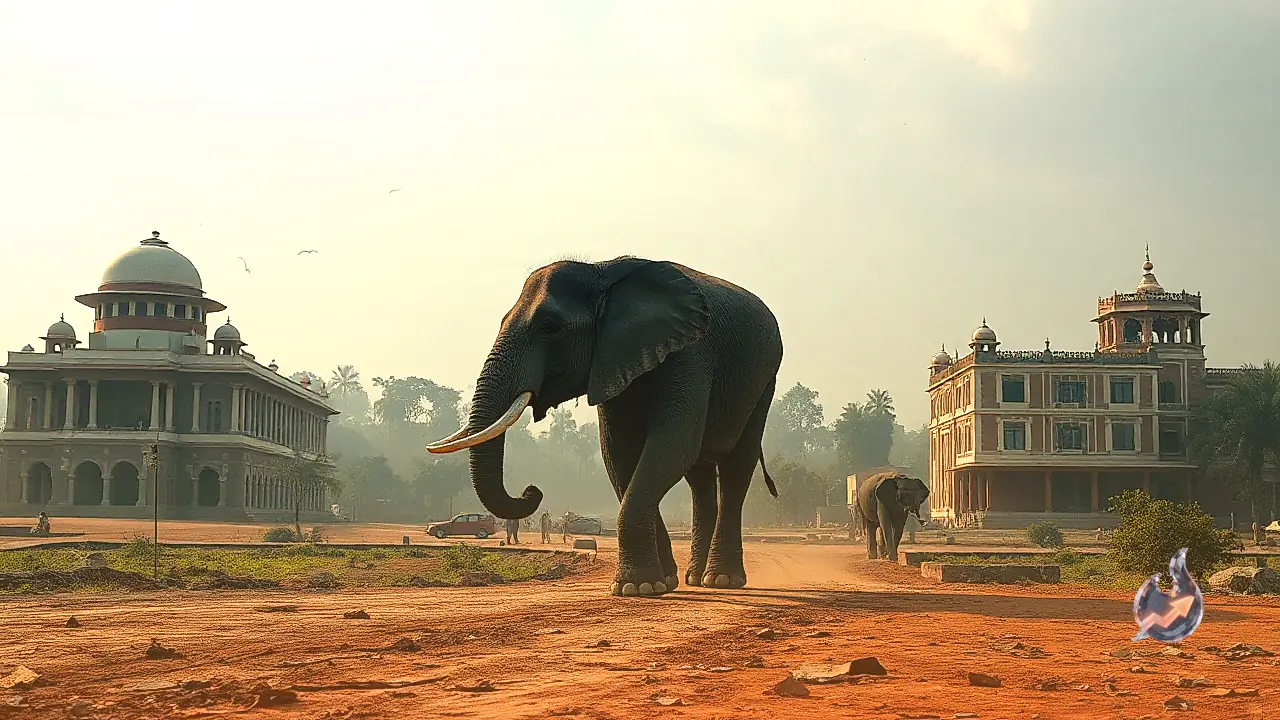
The mosque complex has witnessed pivotal events in South Indian history. In 1687 AD, following the conquest of Golconda by Mughal Emperor Aurangzeb, the monarch stayed within this very complex and issued Hyderabad's first official imperial decree from this location. However, by the 18th century, a lack of regular upkeep led to deep neglect, during which the historical space was temporarily repurposed as an elephant stable.
This period of deterioration ended roughly 250 years ago with the arrival of Sufi saint Hazrat Syedna Mir Shujauddin Qadri from Burhanpur. Moved by the state of the structure, he spearheaded the cleanup of the complex, restored regular prayers, and established Hyderabad's first formal religious seminary within the premises. In honor of his revitalizing efforts, the monument came to be known as Jama Masjid Shujaya.
Decay From Pollution and Age Prompt Urgent Calls for Preservation
Decades of exposure to urban smoke, pollution, and weathering have taken a heavy toll on the 425-year-old monument, leaving its minarets and walls in a precarious state of disrepair. Local citizens, heritage enthusiasts, and historians emphasize that a comprehensive conservation initiative, similar to the major restoration projects undertaken for Charminar, must be launched without delay. Preserving this structure is essential to ensure that Hyderabad's first public Jama Masjid remains intact for future generations.