
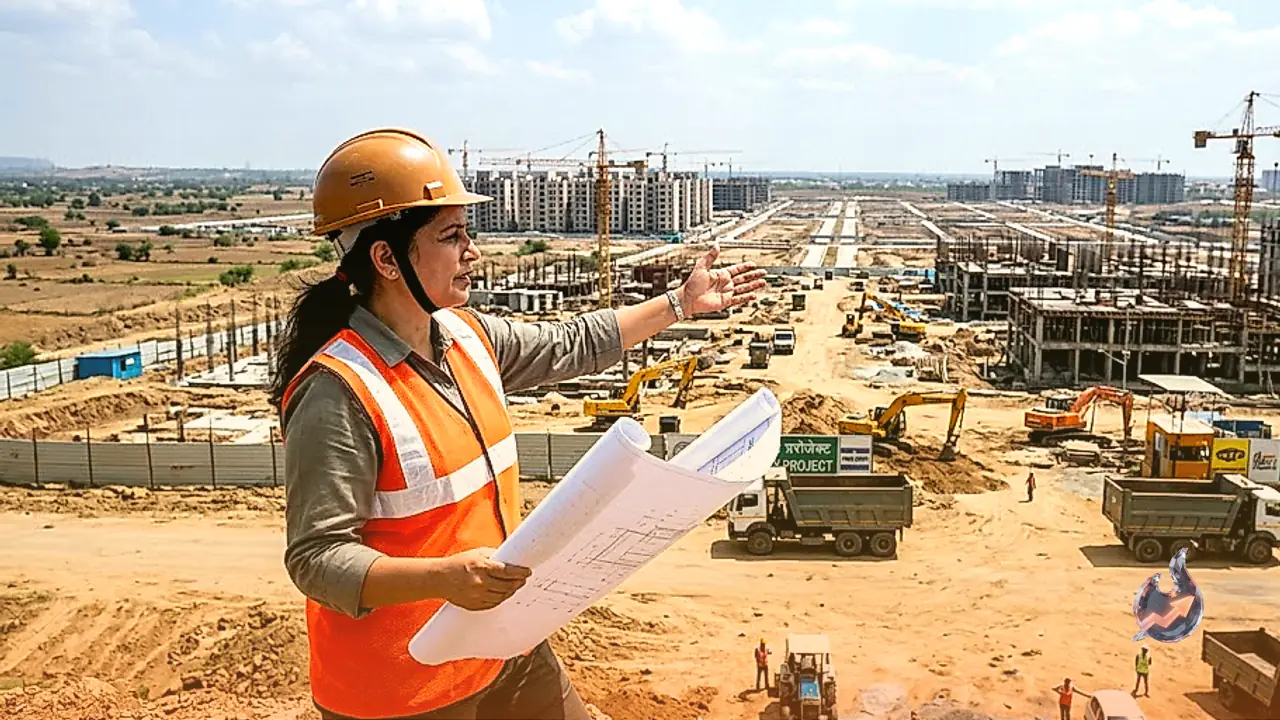



















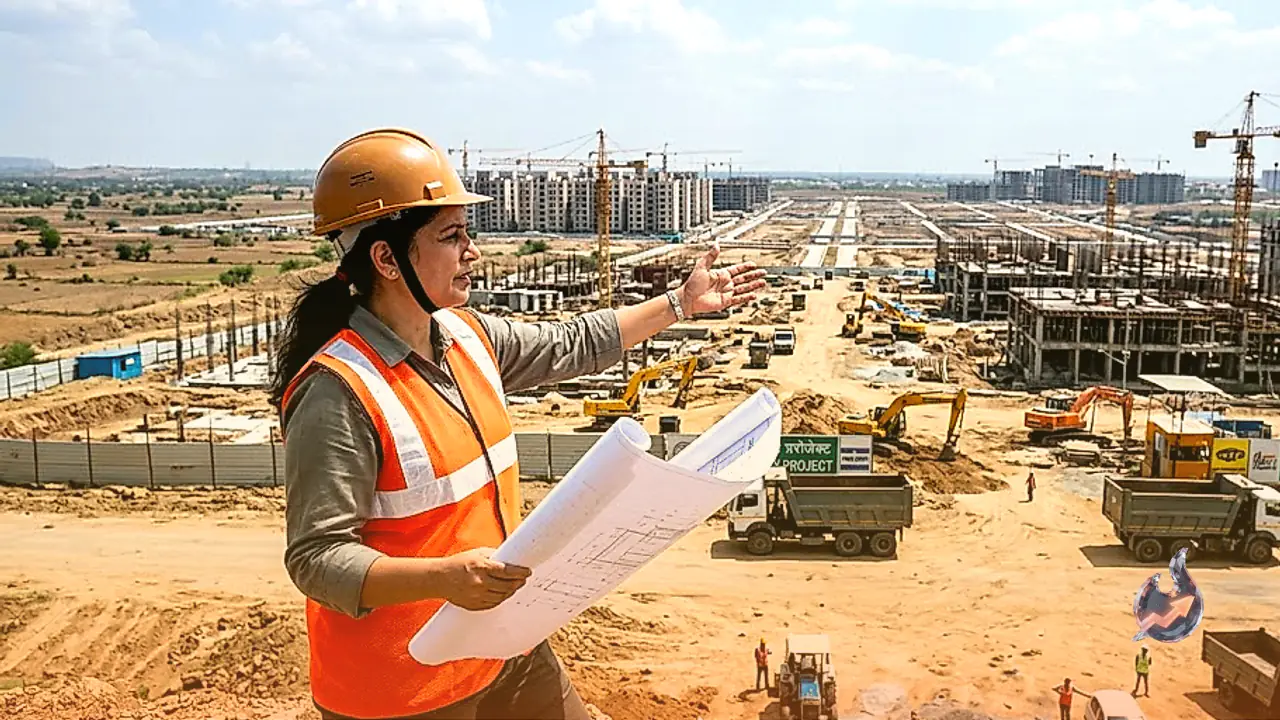

Urban planners in Haryana have finalized a blueprint to create a massive, well-organized satellite township just 50 kilometers outside Delhi. The ambitious plan, drafted by the Haryana Shehri Vikas Pradhikaran, seeks to build approximately 40 brand-new sectors adjacent to Faridabad. Designed to house an estimated population of 10 lakh individuals, the upcoming settlement will combine modern living standards, business infrastructure, and essential civic amenities within a structured framework.
Mounting Demographic Pressure on Faridabad
The imperative to establish an entirely new urban hub stems directly from the rapid demographic surge in Faridabad, where the resident headcount has climbed to roughly 28 lakh people. Such uncontrolled expansion has placed immense strain on existing municipal systems. In many peripheral belts, residents face regular deficits in piped drinking water, comprehensive sewage disposal, wide arterial roads, quality public schools, healthcare centers, and efficient mass transit. Recurring vehicular gridlock and unorganized residential growth have prompted authorities to build a forward-looking, master-planned urban alternative capable of absorbing regional growth over the coming decades.
Five-Year Timeline Covering 51 Villages
The development authority intends to turn the master plan into reality within a five-year timeframe. The planned footprint touches land across 51 rural settlements situated in the vicinity of Faridabad and Greater Faridabad. Among the villages earmarked for inclusion are Ghazipur, Bhankri, Dabua, Nacholi, Pali, Bhupani, Badrola, Tigaon, Atali, Panhera, Bukharnpur, Junheda, Khurd, Sikri, Jajru, Bhanakpur, Khandawali, Narhawali, Ladohli, Sunped, Deeg, and Sarurpur. Rather than serving purely as a dormitory suburb of residential flats and houses, these tracts are slated to host commercial zones, IT parks, modern office complexes, and extensive civic facilities.
Land Pooling Mechanism and Compensation Models
Formal land acquisition procedures are already underway to keep the development schedule on track. For the initial phase, which focuses on establishing 12 sectors, the authority has initiated the procurement of roughly 4,500 acres across 19 village jurisdictions. To ensure voluntary participation, an online application system has been set up at landpooling.hsvphry.org.in where property owners can register their intent. The cut-off date to submit applications under this scheme has been set for November 30. Landowners have been presented with two distinct compensation paths: they can either accept direct cash payments for their holdings, or opt for developed residential and commercial plots situated within already established authority sectors.
High-Capacity Logistics and Transport District
Recognizing that sound freight movement and connectivity determine the viability of any modern metropolis, the master plan earmarks substantial space for freight logistics. An area measuring approximately 1,034.637 acres located near the Yamuna in Greater Faridabad has been reserved exclusively for an expansive transport center. According to Haryana Shehri Vikas Pradhikaran guidelines, Sector 132, Sector 135, and Sector 145 will be shaped specifically to host heavy vehicle transit, warehousing facilities, and allied cargo operations.
Civic Amenities, Greenery, and Regional Connectivity
The township has been conceptualized around modern urban planning metrics. The internal roadmap features wide corridors, signal-free thoroughfares, and a durable stormwater drainage network. To preserve open spaces and environmental quality, every sector will integrate green belts alongside thematic parks and walking corridors. Separate zones have been marked out for premier multi-specialty medical centers as well as higher educational institutions. Retail requirements will be served by commercial malls, hypermarkets, and community marketplaces. Internal public mobility will rely on local electric bus fleets, with deliberate provisions kept for future metro rail expansion. Backed by direct strategic connectivity to the Delhi-Mumbai Expressway and the upcoming Jewar airport, the region is positioned to transform into a prominent NCR commercial hotspot, unlocking extensive employment avenues for the 10 lakh inhabitants moving into the area.