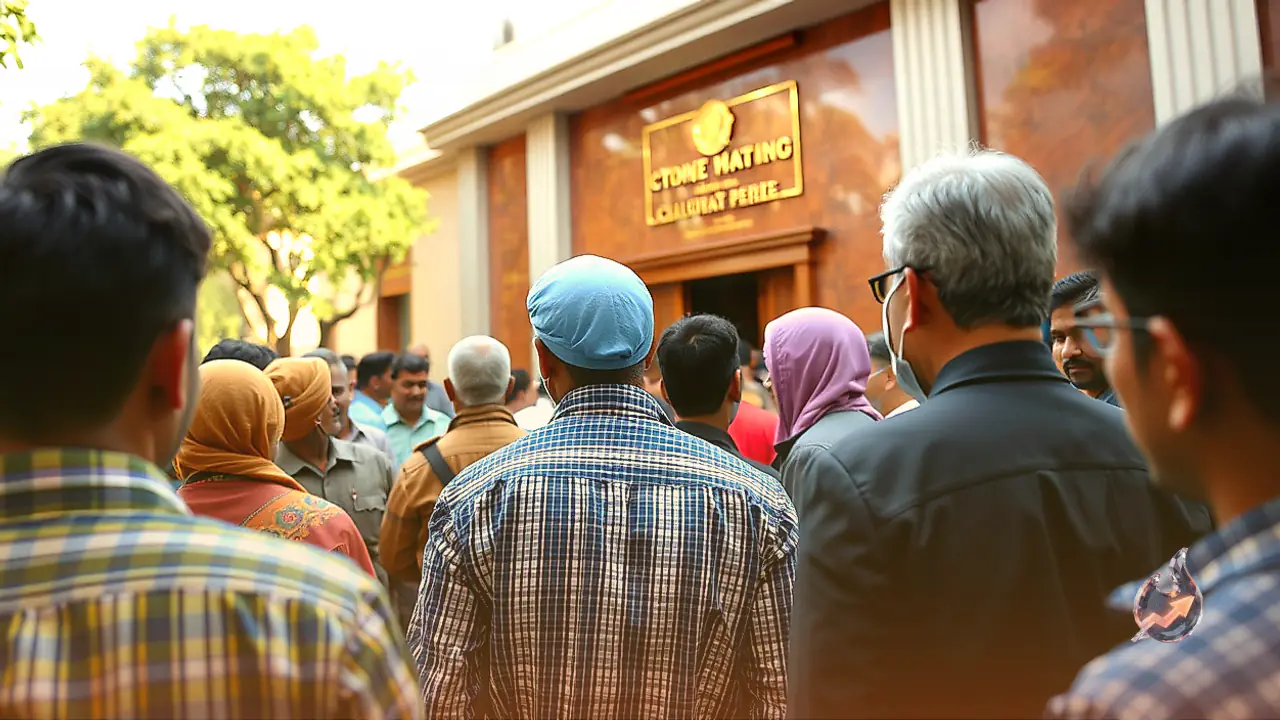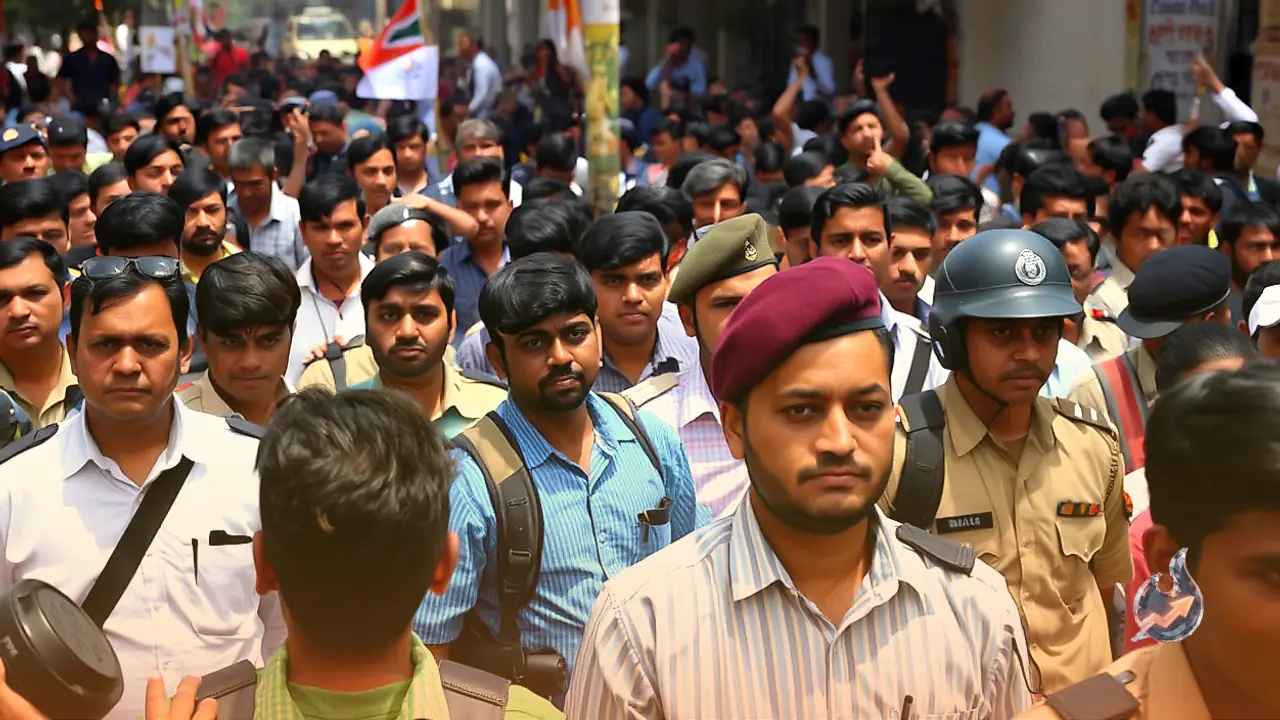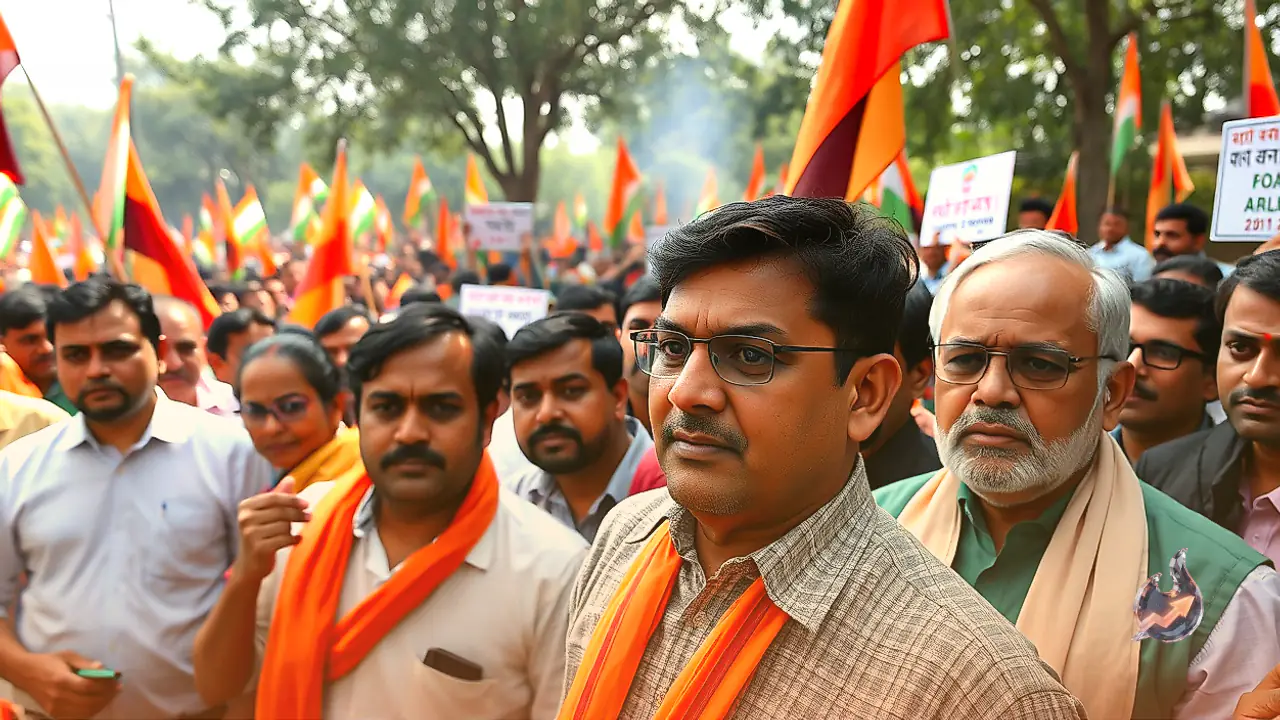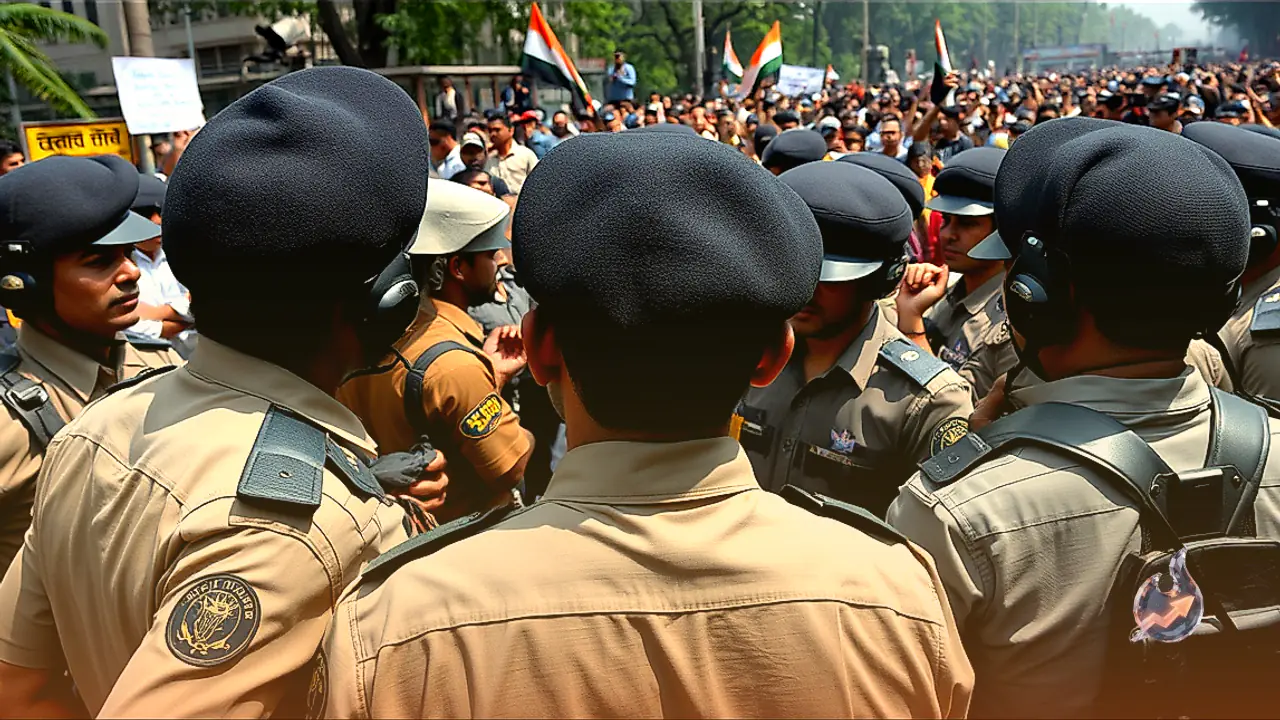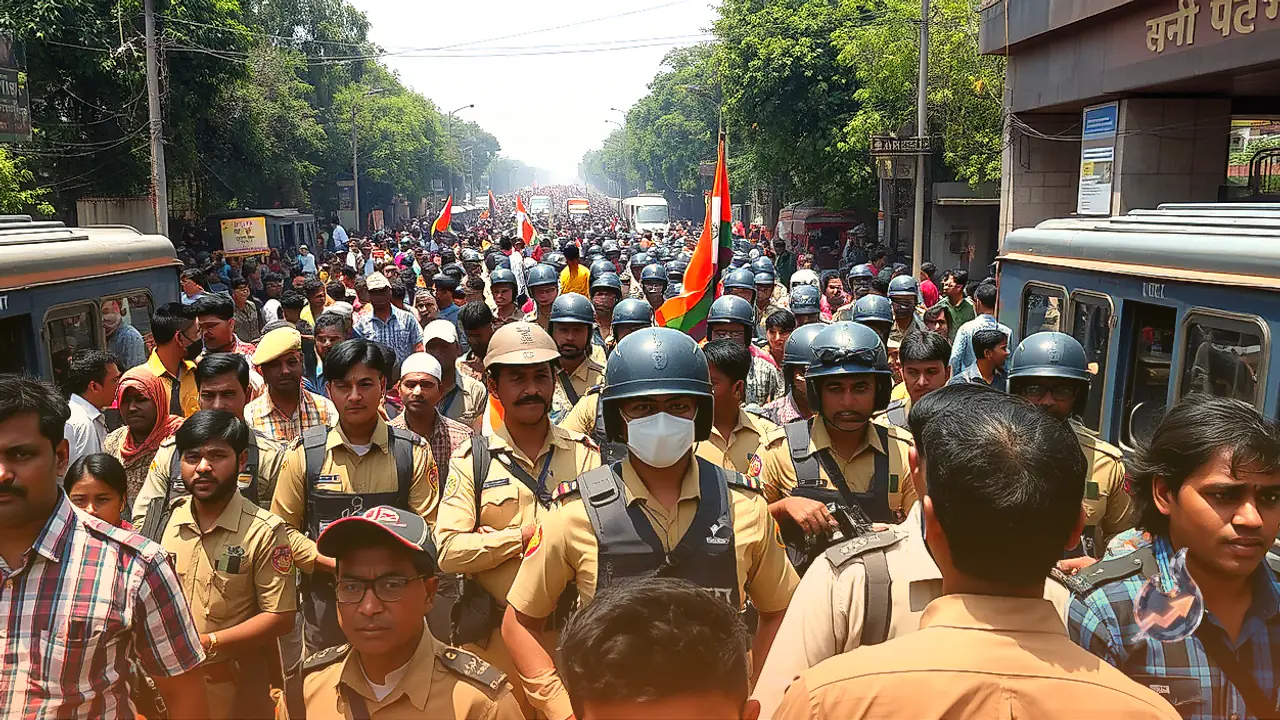
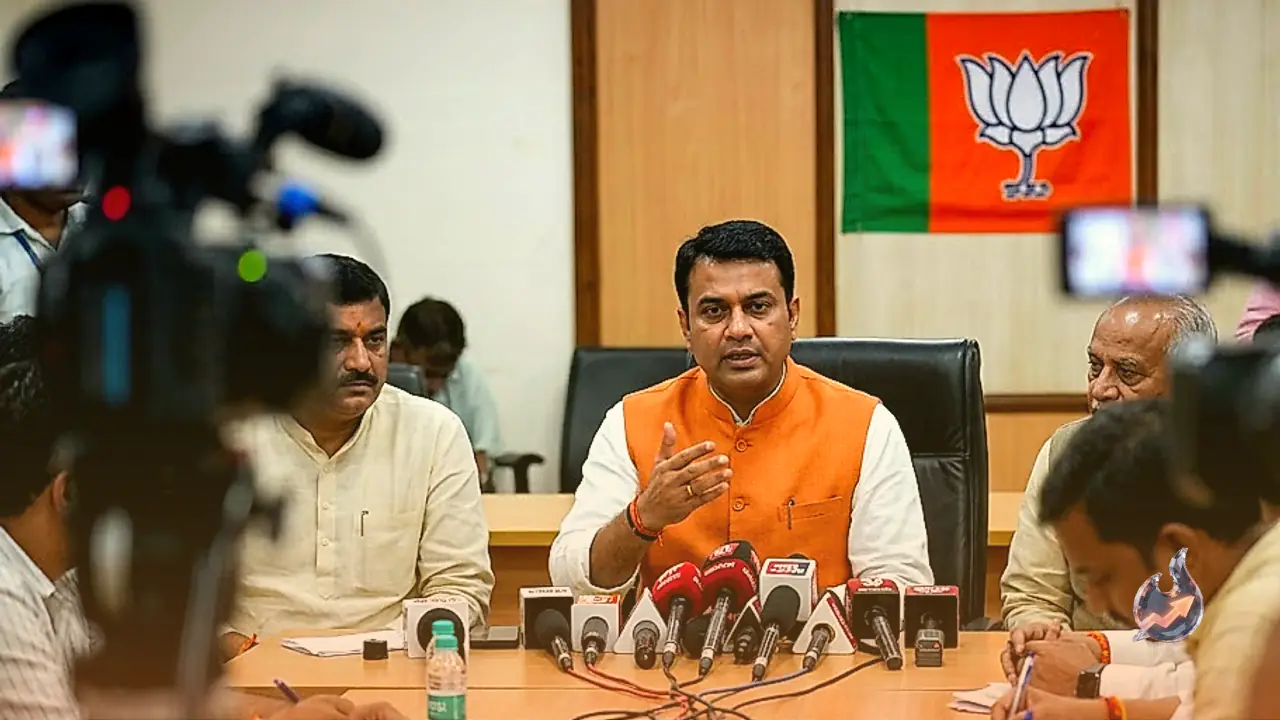














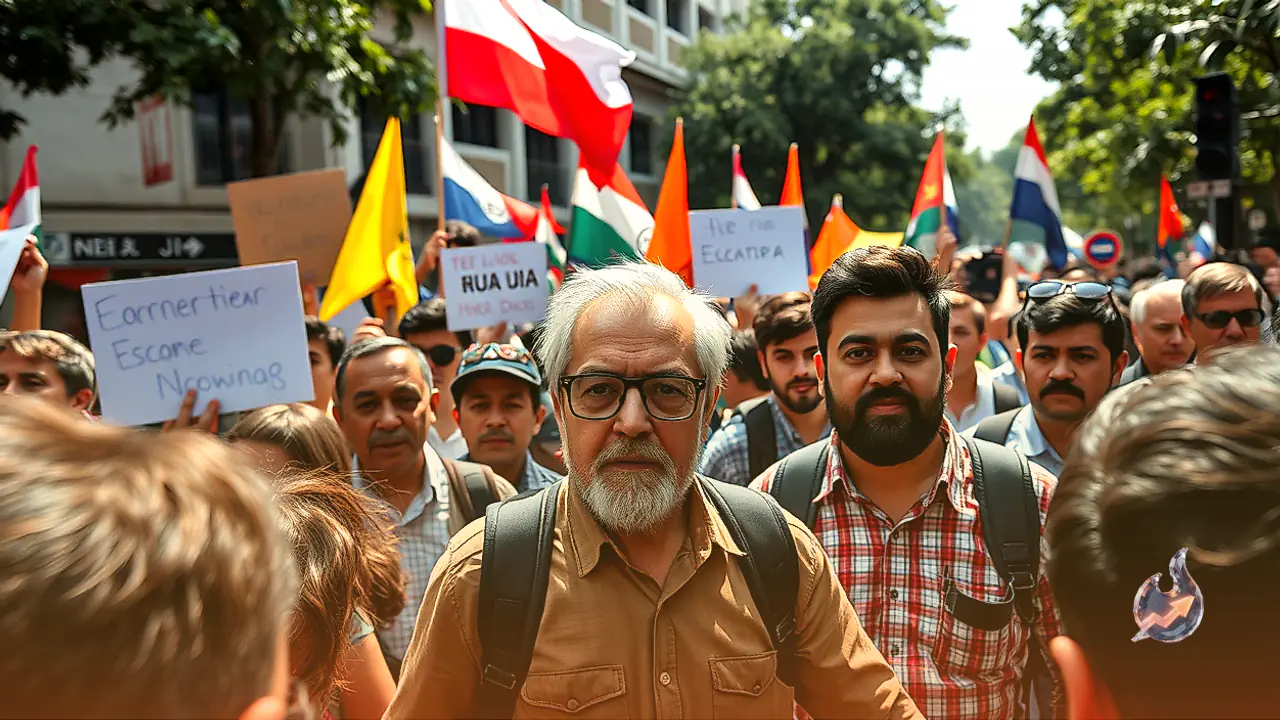

The sudden appearance of noted economist Jean Dreze at a protest organised by the Cockroach Janta Party drew wide attention at Jantar Mantar in New Delhi. Despite rigorous barricades and heavy police deployment across the area, the scholar made his way to the venue to express solidarity with the demonstrators. While bystanders frequently mistake him for a foreigner due to his European roots, Dreze has lived in India for decades as an Indian citizen and has dedicated his career to public advocacy.
Arrival Follows Detentions at Delhi Airport
Tensions ran high on Saturday after law enforcement authorities intercepted CJP founder Abhijit Dipke and multiple party leaders at Indira Gandhi International Airport, placing them into detention. Despite the roundup of the party leadership, Dreze chose to stand alongside the gathering at Jantar Mantar, stepping directly into an active civic protest to defend civil liberties.
From Belgian Origins to Indian Citizenship
Born in Belgium, Dreze relocated to India several decades ago and integrated into the country's public and academic life. Demonstrating long-term commitment to the nation, he formally renounced his European passport and acquired Indian citizenship in 2002. Over the years, he has taught as a professor at premier academic centres including the Delhi School of Economics and Ranchi University.
Collaborating closely with Nobel laureate Amartya Sen, Dreze has co-authored influential books analysing the structural realities of widespread hunger, entrenched poverty, primary education, and social security nets. His persistent field-level work across Jharkhand has made him a prominent advocate for social welfare and marginalized communities.
Architect of Rural Welfare Frameworks
Within national governance, Dreze is recognized for contributing foundational ideas and conceptual drafts toward India's ambitious rural employment guarantee programme. He also served as a member of the erstwhile National Advisory Council under the central government, playing an instrumental part in shaping rights-based welfare policies.
The Protest Agenda and Democratic Questions
The CJP demonstration at Jantar Mantar was convened to demand the resignation of Chief Election Commissioner Gyanesh Kumar and to raise procedural objections regarding the Special Intensive Revision of electoral rolls. Speaking directly to the assembled crowd, Dreze described the massive security presence as disproportionate.
He argued that the authorities were not genuinely worried about law and order, but rather anxious about citizens becoming conscious of questions concerning their voting franchises. Emphasizing that people prevented by police cordons from reaching the venue also needed their voices heard, Dreze transformed what began as a party event into a broader conversation on voting rights, free assembly, and institutional accountability.