



















To accelerate planned urban expansion across the national capital, the Delhi Development Authority has initiated a month-long public outreach campaign spanning various land pooling zones. Spearheaded under the directions of Lieutenant Governor Sardar Taranjit Singh Sandhu, the primary objective of this drive is to educate landowners and farmers about the land pooling policy, address their grievances, and enhance their active participation in the development process. Under this comprehensive framework, authorities have prepared to construct twelve lakh new housing units across a vast expanse measuring two hundred square kilometers.
Master Plan 2047 and Urban Infrastructure
The land pooling policy receives top priority under Delhi's Master Plan 2047, unlocking massive potential for systematic urban growth across approximately two hundred square kilometers. Alongside twelve lakh prospective homes, the blueprint incorporates the development of an additional road network exceeding six hundred kilometers in length. Policy implementation prioritizes fundamental civic utilities including robust roadways, clean water supply, electricity grids, sewage systems, and other vital infrastructure. Furthermore, plans include establishing schools, medical facilities, public parks, commercial marketplaces, business hubs, and employment-oriented infrastructure alongside residential zones.
Officials Engaging With Rural Communities
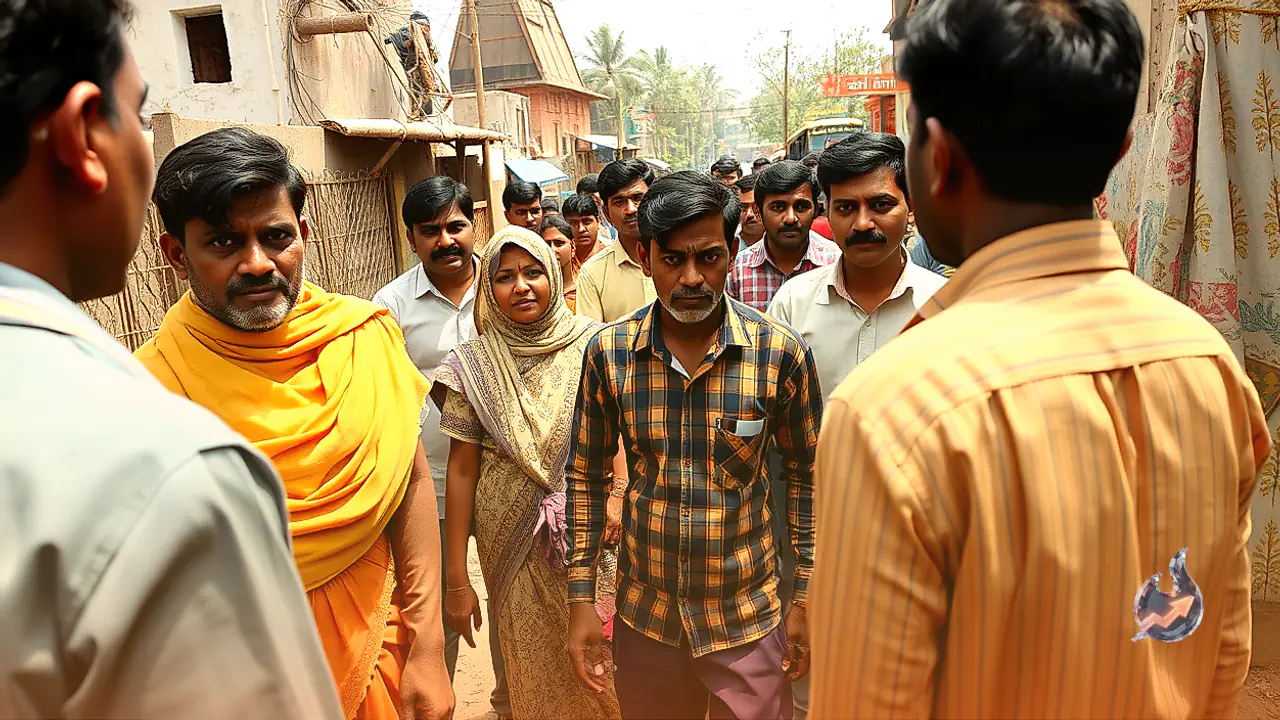
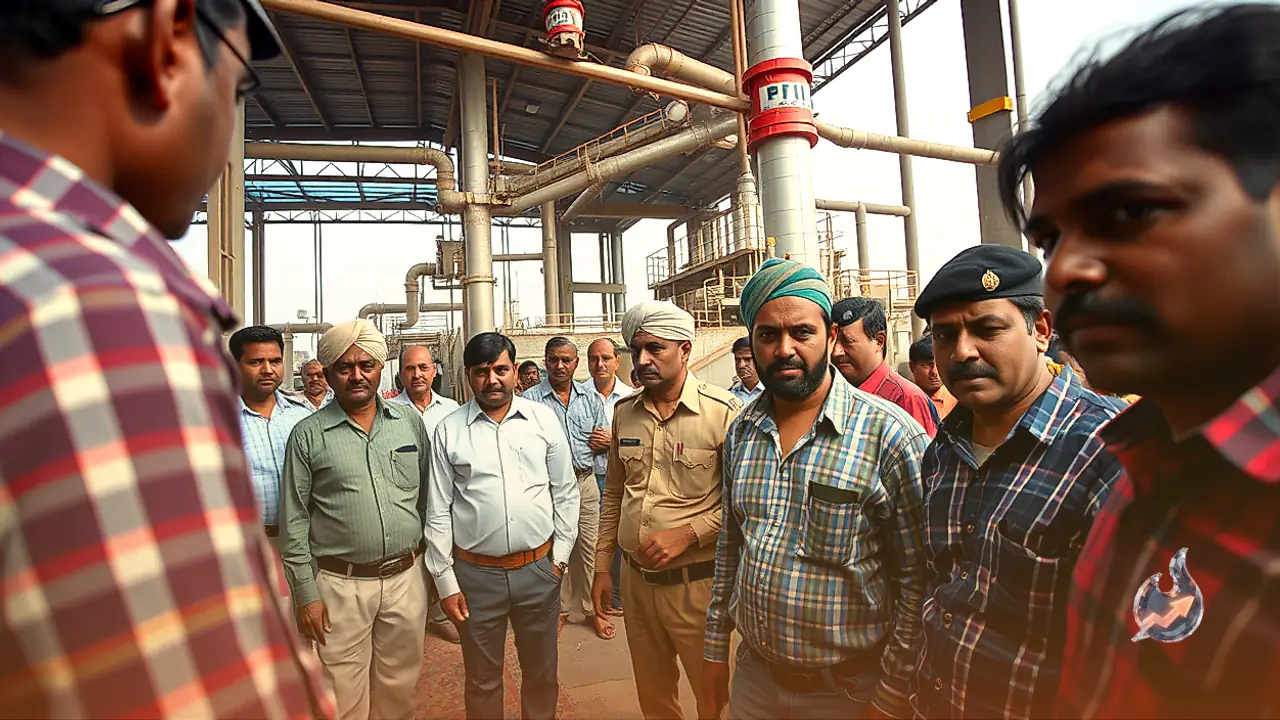
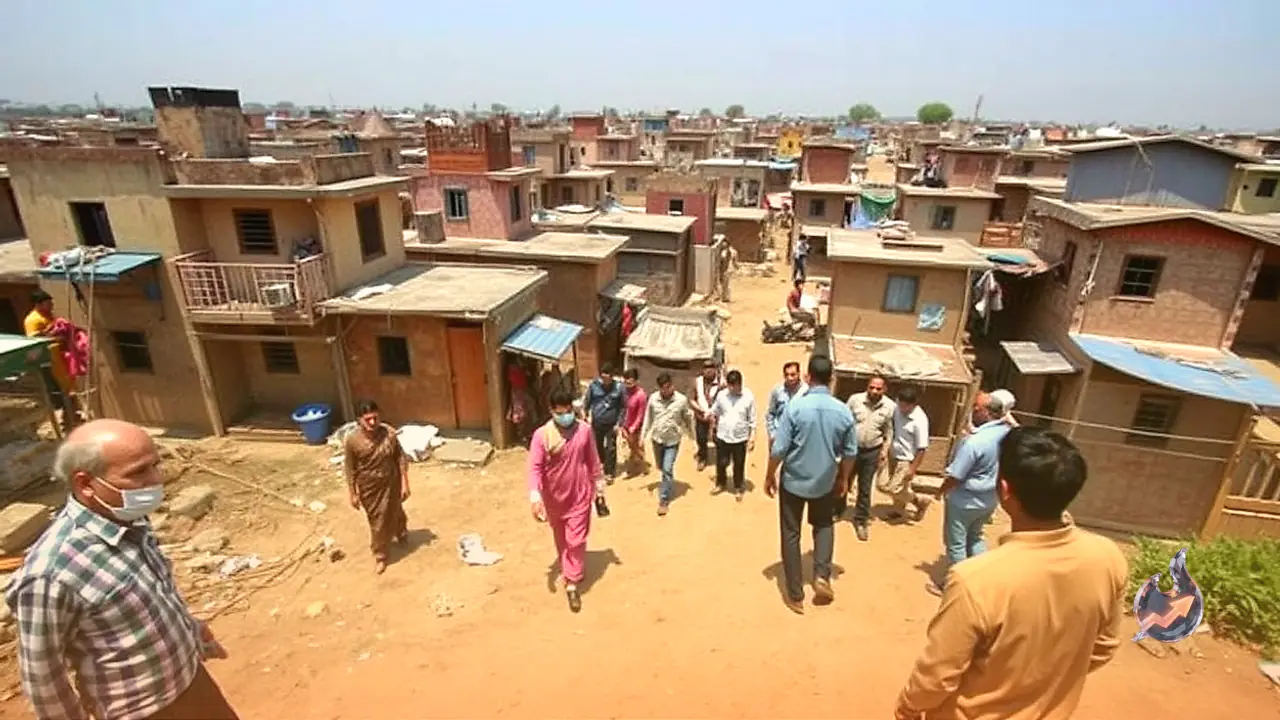
As part of this outreach initiative, Delhi Development Authority officials have already organized interactive sessions in rural settlements such as Bakkarwala, Tigipur, and Sultanpur Dabas. These gatherings took place within regions corresponding to zones K-1, P-II, and N respectively, witnessing active participation from landowners and various stakeholders who raised queries regarding policy execution. Authority representatives informed attendees that detailed road network layouts and specific land parcel details will receive official notification shortly. Upcoming camps are scheduled in Chhawla, Saranpur, Neb Sarai, Khera Kalan, and Mukhmelpur to brief landowners about development models and their individual roles.
Collaborative Development and Town Planning
Through the land pooling policy, landowners can voluntarily pool their parcels together to contribute toward planned urban growth. Development under this mechanism occurs through cooperation between the authority and private entities, utilizing town planning schemes and alternative models. The framework establishes phased execution plans for roadways measuring thirty meters in width or more, ensuring that foundational infrastructure takes shape prior to advanced urban construction. Additionally, provisions for smaller planning schemes spanning twenty hectares allow phased development to commence without waiting for large continuous land tracts to become available simultaneously.
Corridors and Designated Implementation Zones
Authorities are preparing to develop high-density corridors surrounding Urban Extension Road-II to foster affordable housing, commercial ventures, logistics networks, warehousing facilities, and expanded employment avenues. According to the Delhi Development Authority, the policy framework simplifies procedural steps and minimizes regulatory hurdles to maintain steady momentum in development works. Villages Gadi Khasro and Ibrahimpur in Sector 8B have emerged as initial notified zones ready for implementation, marking a critical milestone toward translating the policy onto the ground. The land pooling framework remains applicable across designated notified regions including zones K-I, L, N, P-II, and specific parts of zone J.