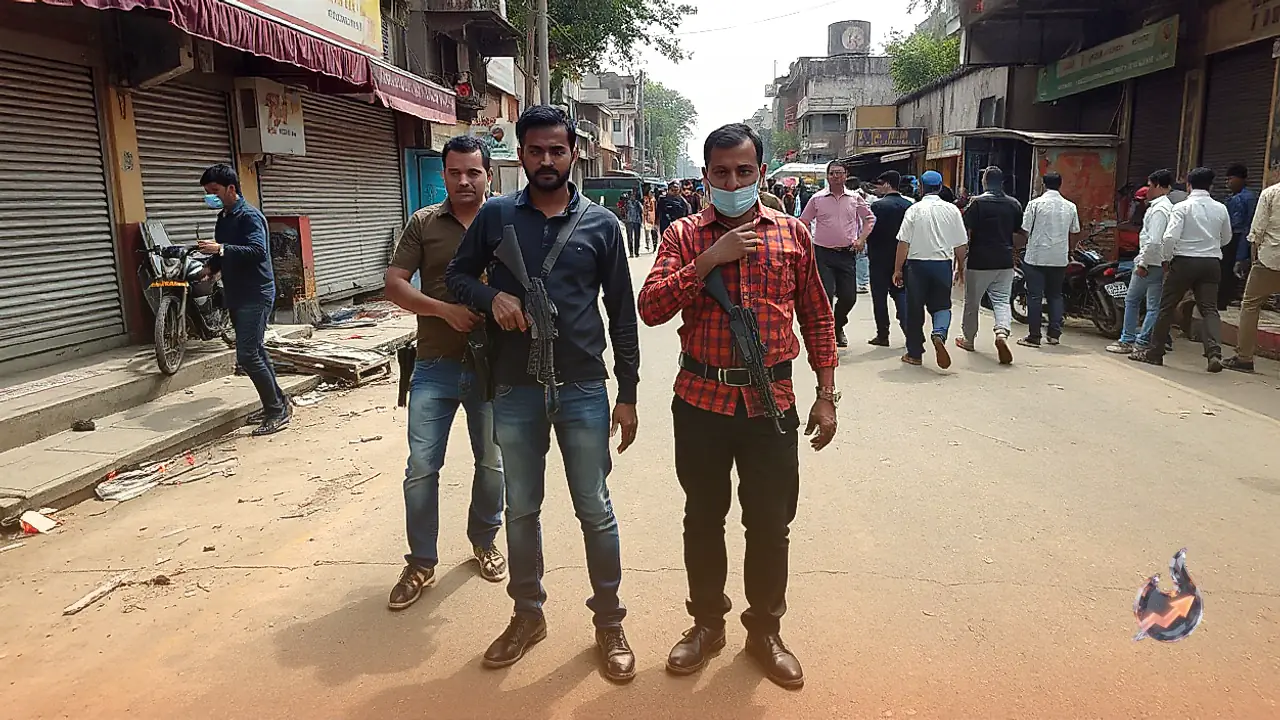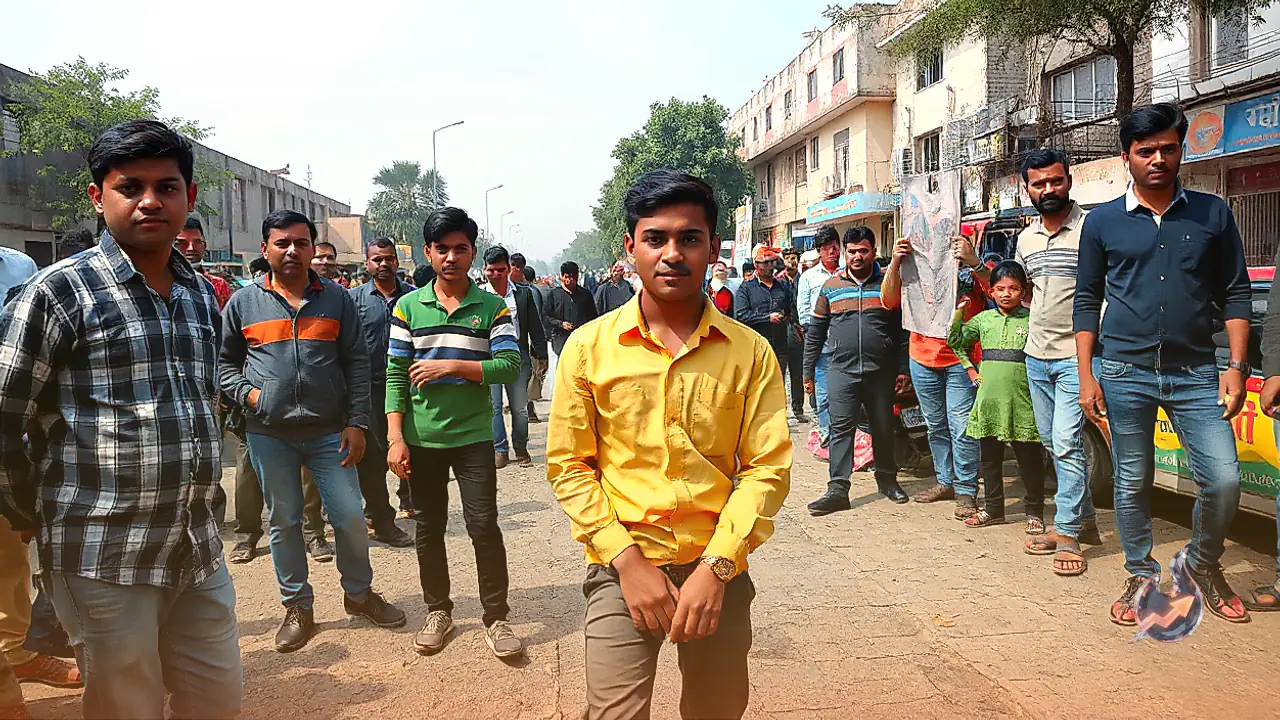























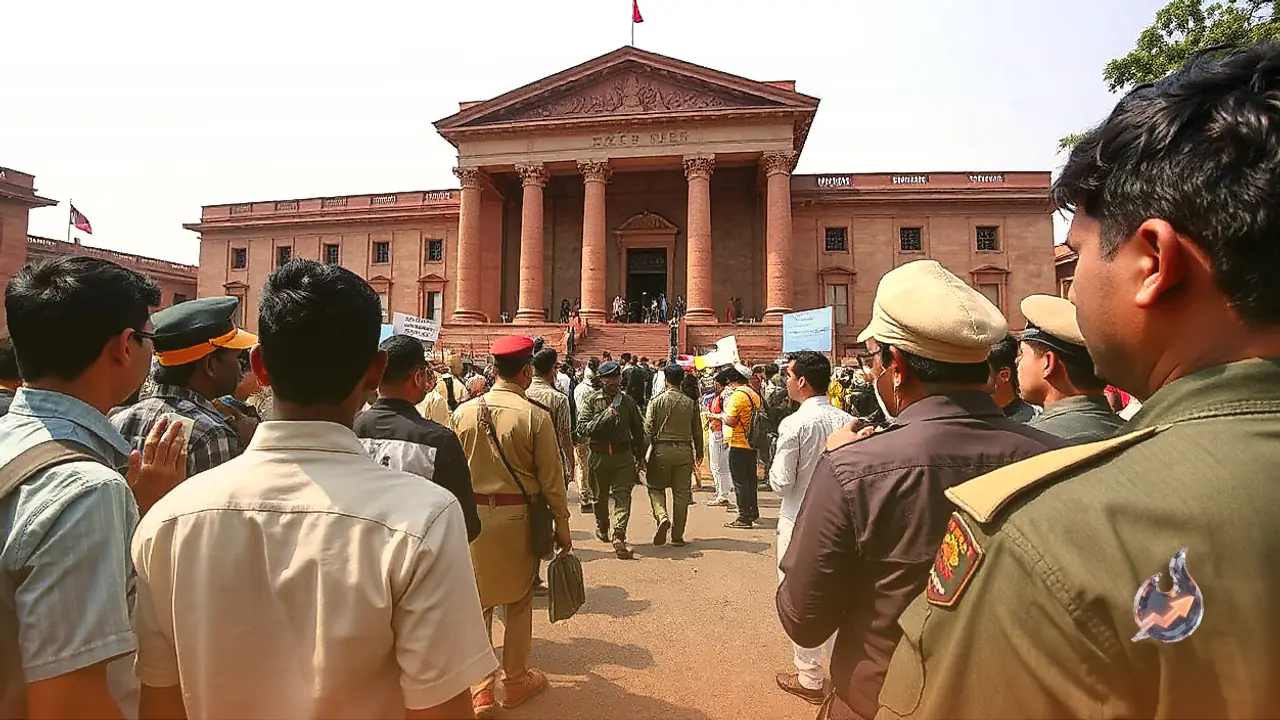

A significant legal debate concerning the boundaries of democratic dissent and personal liberty unfolded before the Delhi High Court during the hearing of a plea filed by All India Students Association president Neha Bora. The petition challenges a preventive directive issued by the Delhi Police requiring the student leader to execute a peace bond amounting to ten thousand rupees. Questioning the validity of such measures against student activists, Bora's counsel argued before the court that advocating for a regime change remains an entirely lawful exercise within the framework of a vibrant democracy.
Arguments Over Free Expression and Protests
Defending the student leader, the counsel placed heavy reliance on the fundamental protections guaranteed under Article 19 and Article 21 of the Constitution. The defence maintained that expressing dissatisfaction with an incumbent government and calling for political transformation fall squarely within protected constitutional freedoms. Furthermore, the counsel emphasized that conducting peaceful assemblies and taking part in public demonstrations, including those involving the unfurling of the national flag, constitute completely lawful activities that should not warrant coercive bonds typically reserved for preserving public peace.
State Concerns Regarding Law and Order
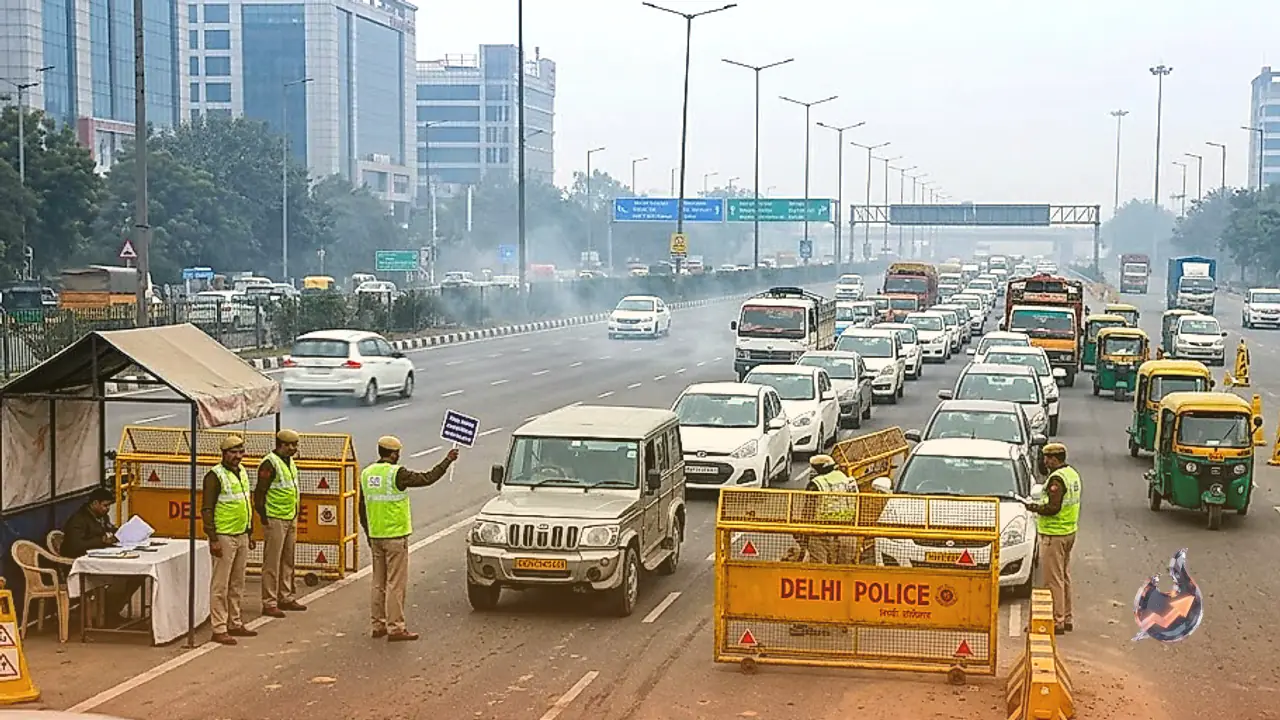
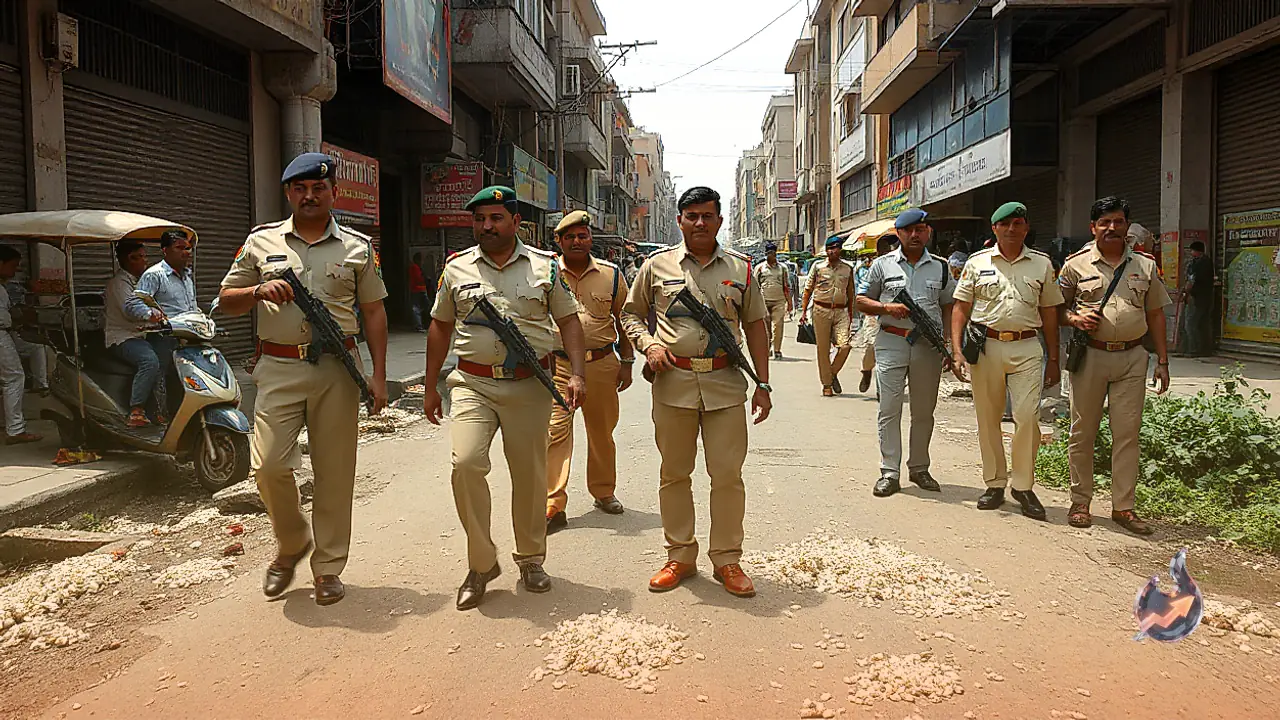
Opposing the petition on behalf of the Delhi Police, Additional Solicitor General Chetan Sharma contended that any regime change in a constitutional democracy must strictly occur through the established ballot process rather than street disruptions. State representatives argued that political objectives cannot be pursued by engineering public disorder or flouting legal restrictions. The law enforcement agency justified the bond requirement by highlighting repeated violations of prohibitory orders across sensitive central Delhi areas, asserting that the notice was an essential administrative step to maintain civil order.
Judicial Observations and Stigma Attached to Bonds
Throughout the proceedings, the High Court voiced critical concerns regarding the reputational stigma linked to executing peace bonds, especially for young citizens exercising democratic dissent. The bench took note of how such preventive mechanisms could potentially brand individuals without proof of criminal wrongdoing. After thoroughly examining the balance between fundamental liberties and administrative maintenance of public order, the court chose to reserve its formal order, with the final ruling expected to be pronounced today.