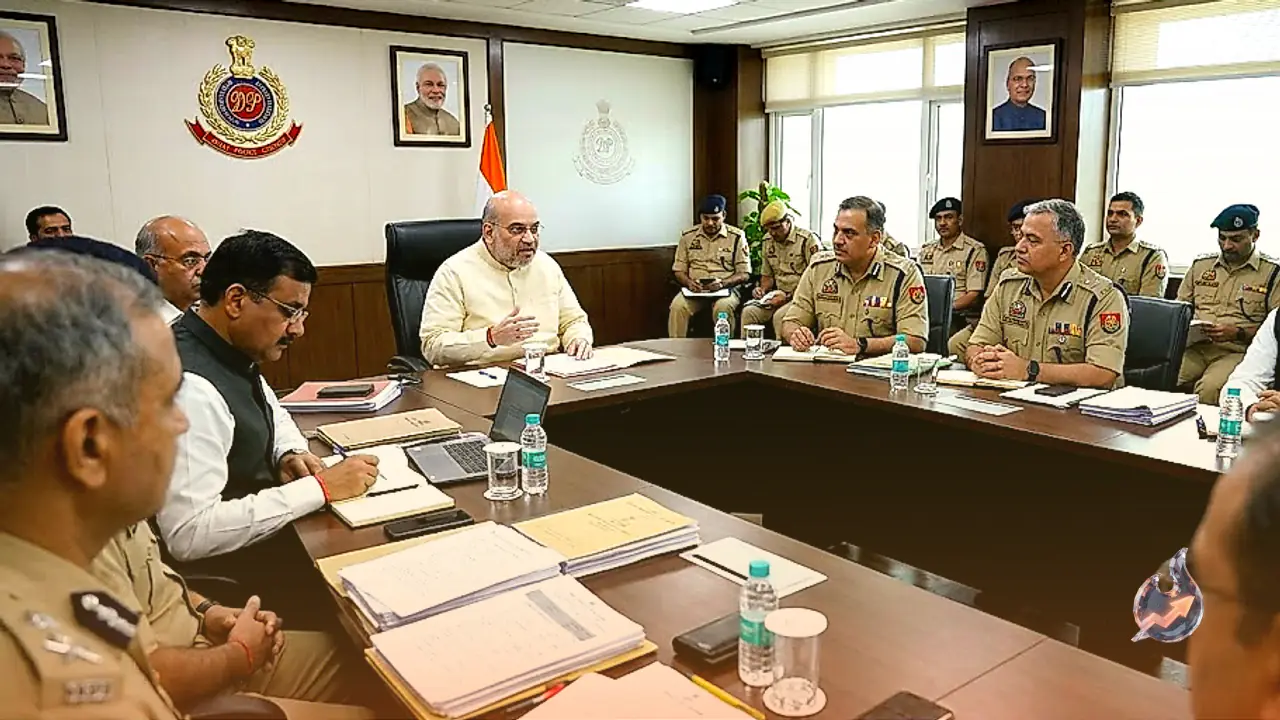


















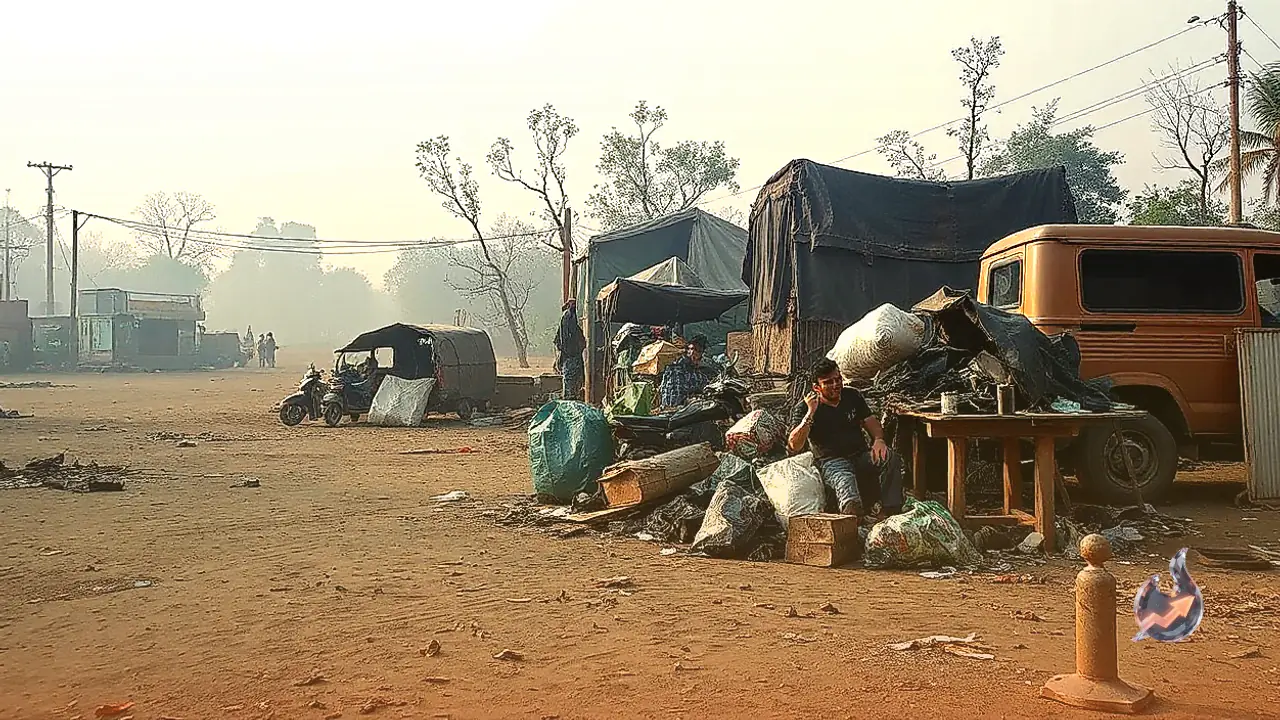

Environmental regulations in Delhi are set to become significantly stricter starting from November 1 through February 28 to tackle the severe pollution crisis that hits the capital every winter season. As the city braces for the toxic air and smog typical of the colder months, multiple restrictions on various small and large activities are coming into effect. With air quality deteriorating across the National Capital Region following Dussehra, the first stage of the Graded Response Action Plan was already implemented earlier. Consequently, it is crucial for citizens to understand what changes from November 1 and the exact financial penalties that can be levied if these bans are flouted. One of the most pressing questions on everyone's mind is whether residents will be barred from lighting traditional bonfires during the biting cold, and what fines might apply for burning wood to stay warm.
Strict Directives Under Winter Action Plan and GRAP
The Delhi government's Winter Action Plan and the Commission for Air Quality Management's Graded Response Action Plan clearly outline regulations regarding bonfires, dried leaves, and garbage burning. Under these directives, lighting open bonfires, burning dry foliage, or torching solid waste in the open is completely prohibited. Official authorities have been issued explicit instructions to step up surveillance and monitoring at all major landfills and dumping sites to prevent accidental or intentional fire incidents. These proactive measures are designed to curb the rapid escalation of pollution levels during the peak winter months.
Bonfires May Invite Immediate Disciplinary Action
A standout feature of the updated Winter Action Plan is the Zero Burning campaign. Under this initiative, Resident Welfare Associations, housing societies, market associations, and contractors are assigned direct responsibility to completely prevent open burning incidents within their respective jurisdictions. Since people traditionally light bonfires or burn leaves, wood, and waste to protect themselves from the freezing winter cold, this practice significantly worsens local air quality. To curb this habit without endangering workers, the government has arranged dedicated heating spots and heating booths specifically for security guards and individuals working outdoors during night shifts, eliminating their need to light unauthorized fires.
Legal Framework and Heavy Penalties for Violations
Failing to comply with these environmental norms attracts strict penalties under National Green Tribunals previous orders and the Environment Protection Act. Authorities are also utilizing advanced drone surveillance to monitor vulnerable areas across the city. Burning open bonfires, dry leaves, municipal garbage, plastic, rubber, or any form of biomass is strictly outlawed throughout Delhi. Setting fire to any of these prohibited items can trigger an immediate penalty, as these rules remain concurrently active under both GRAP and the comprehensive Winter Action Plan.
Specific Environmental Compensation Amounts
According to the directives issued by the National Green Tribunal between 2014 and 2015, anyone caught burning garbage, leaves, plastic, or waste in the open faces a mandatory environmental compensation fine of 5,000 rupees. Furthermore, within the specific administrative jurisdictions managed by municipal authorities like NDMC, penalties for open waste burning can sometimes reach up to 7,500 rupees depending on the severity of the case. These escalating financial consequences serve as a strong deterrent against unlawful burning practices.
Corporate and Institutional Accountability
Beyond individual offenders, accountability extends further. If any housing society, Resident Welfare Association, contractor, or employer knowingly permits or encourages their personnel, such as security guards, to light bonfires for warmth, direct liability will be established against them. Such negligence can invite severe legal proceedings under the Environment Protection Act. Therefore, stakeholders are strongly advised to avoid burning any materials in the open spaces under their management.
Collection Mechanism and Fund Allocation
Fines imposed for burning garbage or illegal bonfires are collected immediately on the spot by designated officials. District administration officers holding the rank of Deputy Tehsildar and above, along with authorized sanitary inspectors from MCD and NDMC, possess the legal authority to issue these spot fines. All financial collections gathered through these environmental penalties are subsequently deposited directly into the official bank account maintained by the Delhi Pollution Control Committee.