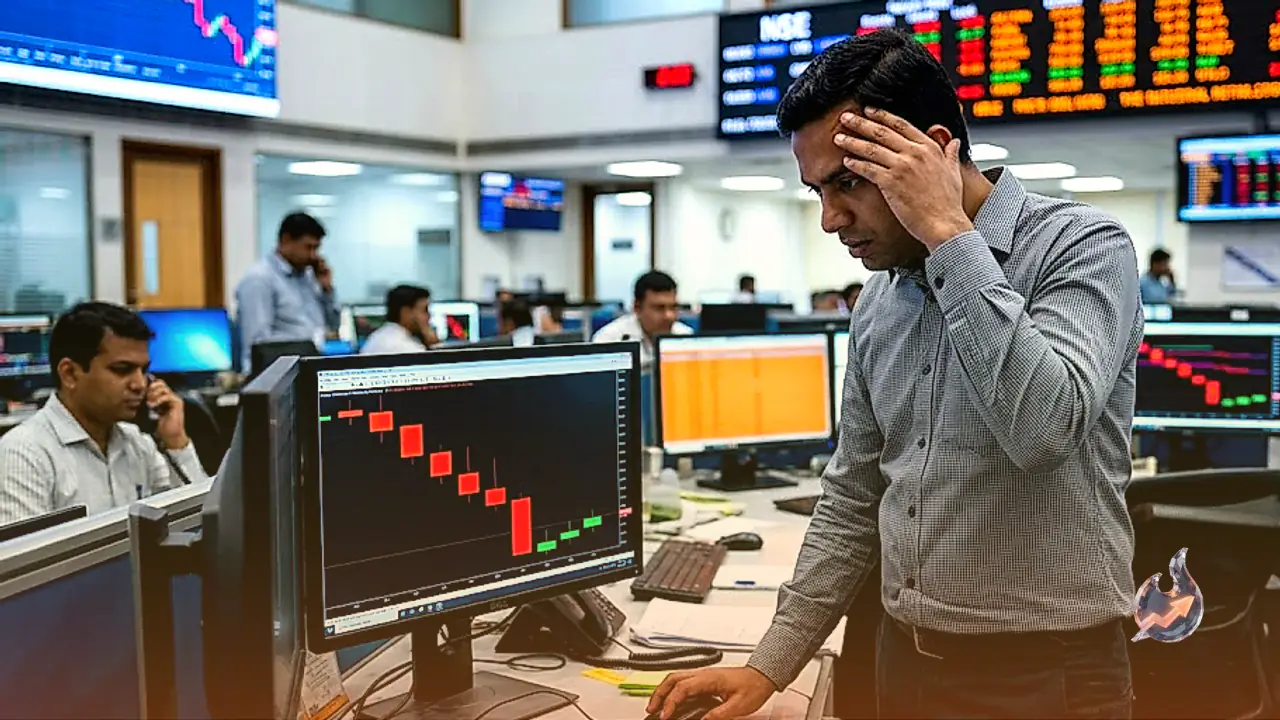




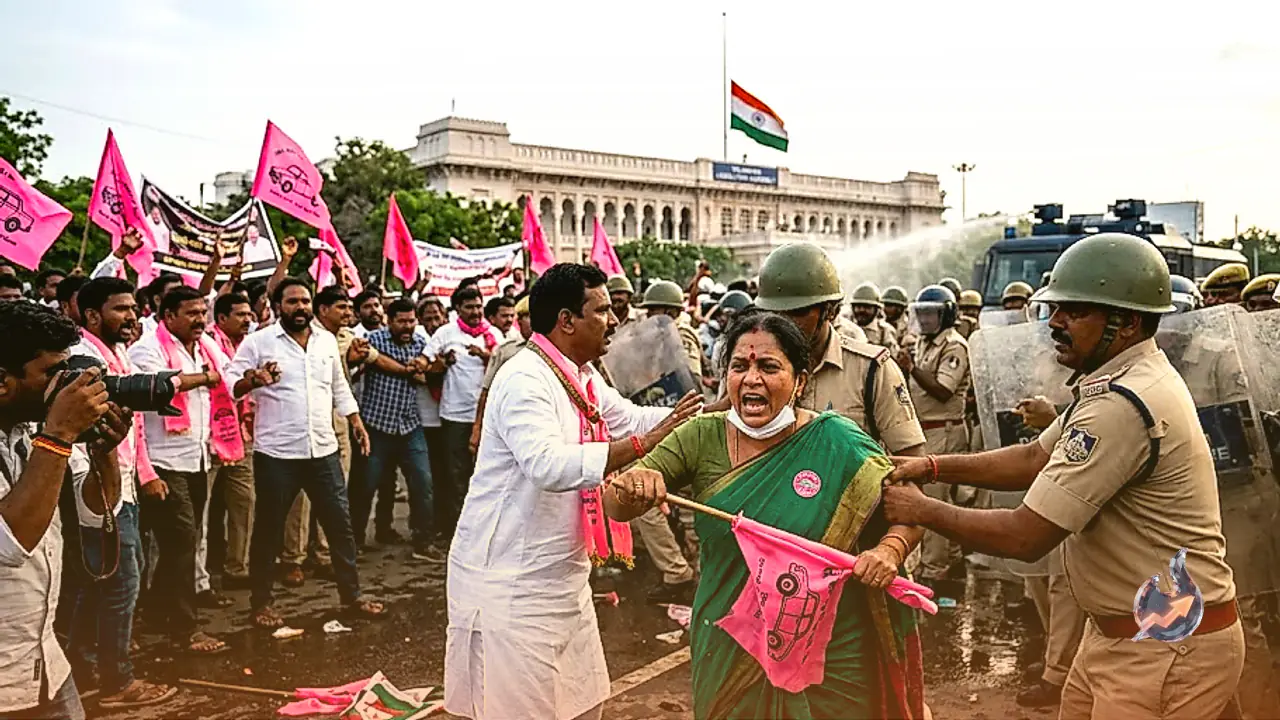















The controversy surrounding the NEET medical entrance exam paper leak continues to escalate, bringing normal life in the heart of the national capital to a grinding halt. Demonstrations at Delhi's Jantar Mantar have now entered their 34th consecutive day, with a massive crowd of protesters gathering in support of the Cockroach Janta Party (CJP). The prolonged agitation, coupled with recent incidents of violence, has prompted security agencies to deploy heavy personnel and implement stringent crowd control measures across the area. The ripple effects of this prolonged standoff are now being severely felt across neighboring commercial districts, causing unprecedented disruptions to both local business and public transport.
Commercial Hubs Face Unprecedented Shutdown
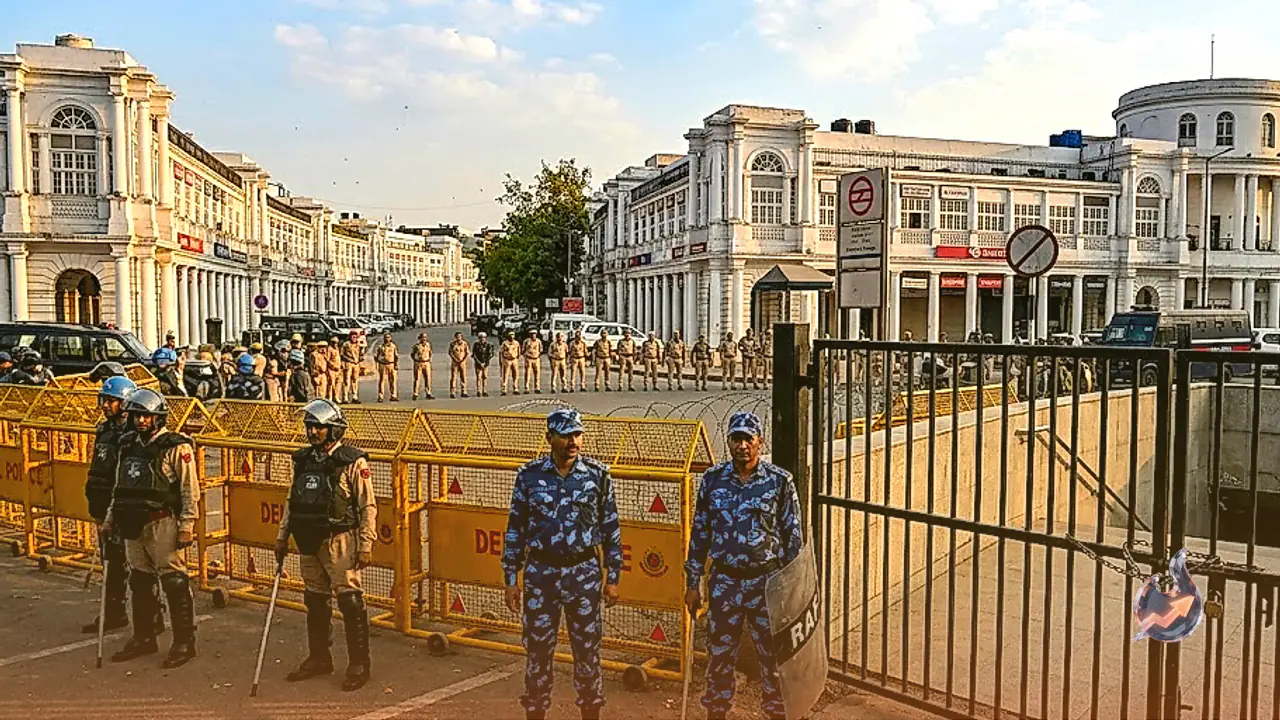
The bustling commercial centers of Connaught Place and the Janpath market have borne the brunt of the ongoing unrest. Taking note of the highly volatile situation in the vicinity, the New Delhi Municipal Council (NDMC) has issued a strict directive for all businesses in the area. According to the official advisory, every shop, commercial establishment, office, and restaurant located within the Connaught Place perimeter must definitively pull down its shutters by 6:30 PM today, July 23.
The municipal council explicitly cited the delicate and sensitive nature of the ongoing protests as the primary reason for this sweeping order. In its advisory, the NDMC made a strong appeal to all property and establishment owners to cooperate fully with law enforcement and strictly comply with the closure timings. Authorities emphasized that this preemptive step is absolutely necessary to avert any untoward incidents, ensure the physical safety of citizens, and prevent any potential damage to public and private property.
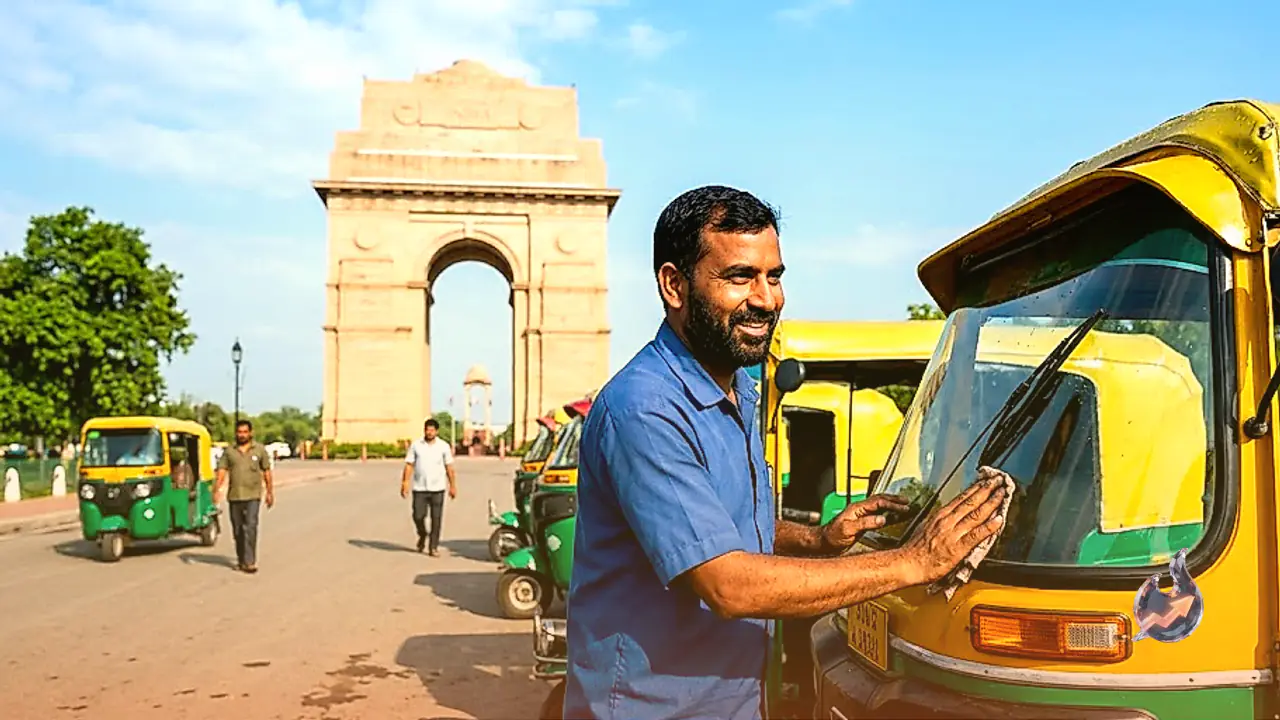
Under normal circumstances, the markets of Connaught Place open for business at 10 AM and remain vibrant with shoppers and diners until late at night. However, the current security clampdown has transformed the usually crowded avenues into deserted zones. For the past four days, customer footfall across the market has plummeted to near zero. Establishments located on the arterial routes connecting to Connaught Place, including premium restaurants, hotels, retail outlets, and smaller shops, report that their business has been reduced to a mere fraction of usual levels, effectively stalling the local economy.
Commuter Chaos as 17 Metro Stations Go Dark
The escalating tension at Sansad Marg and Jantar Mantar has forced authorities to drastically curtail public mobility to maintain law and order. Consequently, the Delhi Metro Rail Corporation (DMRC) has taken the major step of suspending operations at 17 key metro stations across the central zone. The corporation announced on Thursday that passenger entry and exit at these specified stations will remain completely restricted from 07:30 AM until further orders are received from security agencies.
This follows a similar sweeping closure just a day prior, when 17 stations were shut down on Wednesday. The DMRC has consistently cited pressing security reasons behind these massive service disruptions. To provide some relief to stranded commuters, authorities have permitted interchange facilities to continue functioning at Rajiv Chowk, Mandi House, and Central Secretariat. While passengers can switch lines at these transit hubs, stepping out onto the street remains strictly prohibited.
The extensive list of closed stations affects some of the most critical official and commercial nodes in the city. The suspended stops include Lok Kalyan Marg, Rajiv Chowk, Patel Chowk, Ramakrishna Ashram Marg, Barakhamba Road, Supreme Court, Sewa Tirth, Janpath, Mandi House, Central Secretariat, ITO, Delhi Gate, Indraprastha, Khan Market, Jor Bagh, Shivaji Stadium, and Jhandewalan. The mass closure of these vital transit points has severely paralyzed the daily commute for office workers and significantly disrupted the general functioning and traffic flow across the broader New Delhi area.
Assurance of Fast Track Justice
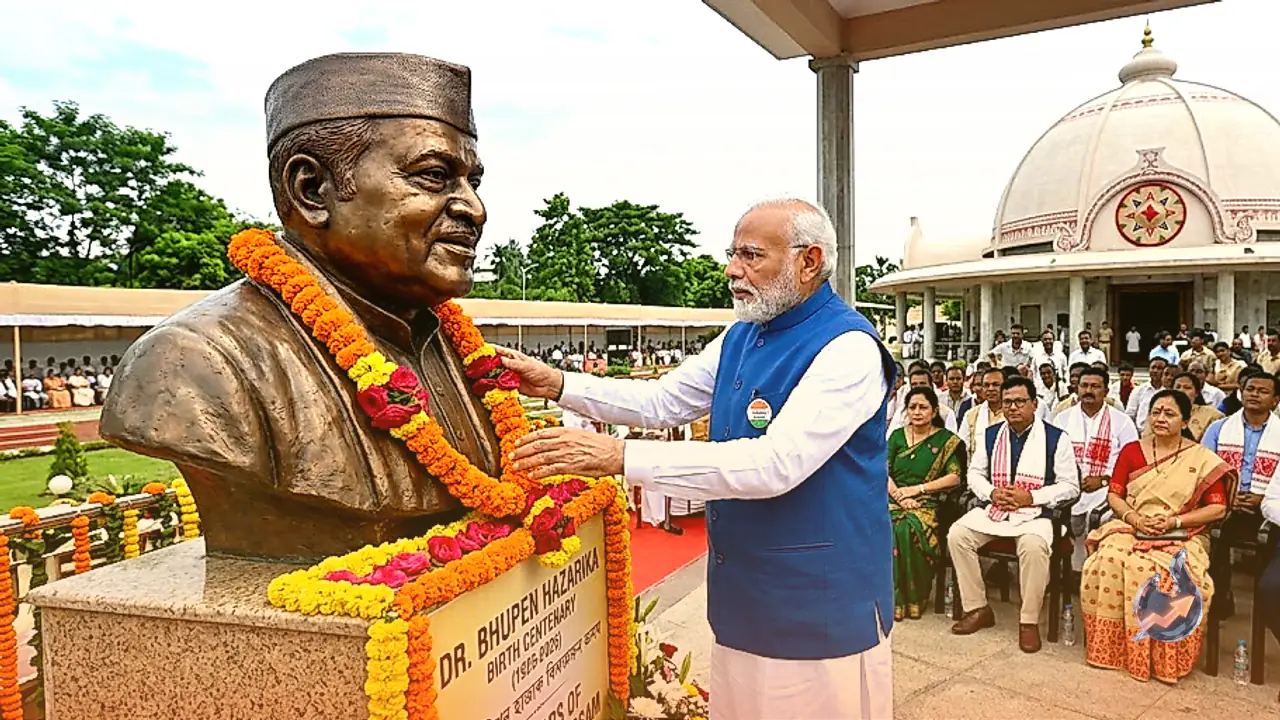
Amid the ongoing upheaval on the streets, Prime Minister Narendra Modi addressed the core issue fueling the protests. Speaking on the paper leak controversy on July 23, the Prime Minister offered a direct assurance to the youth of the country. He firmly stated that the interests of students and the security of their future remain the highest priority for the government.
In a bid to restore faith in the examination system and ensure swift accountability, Prime Minister Modi announced a decisive legal measure. He declared that fast track courts will be specifically established to handle hearings related to paper leak cases. This judicial intervention is aimed at expediting the legal process, ensuring that the guilty face rapid consequences, and delivering timely justice to millions of affected students.