
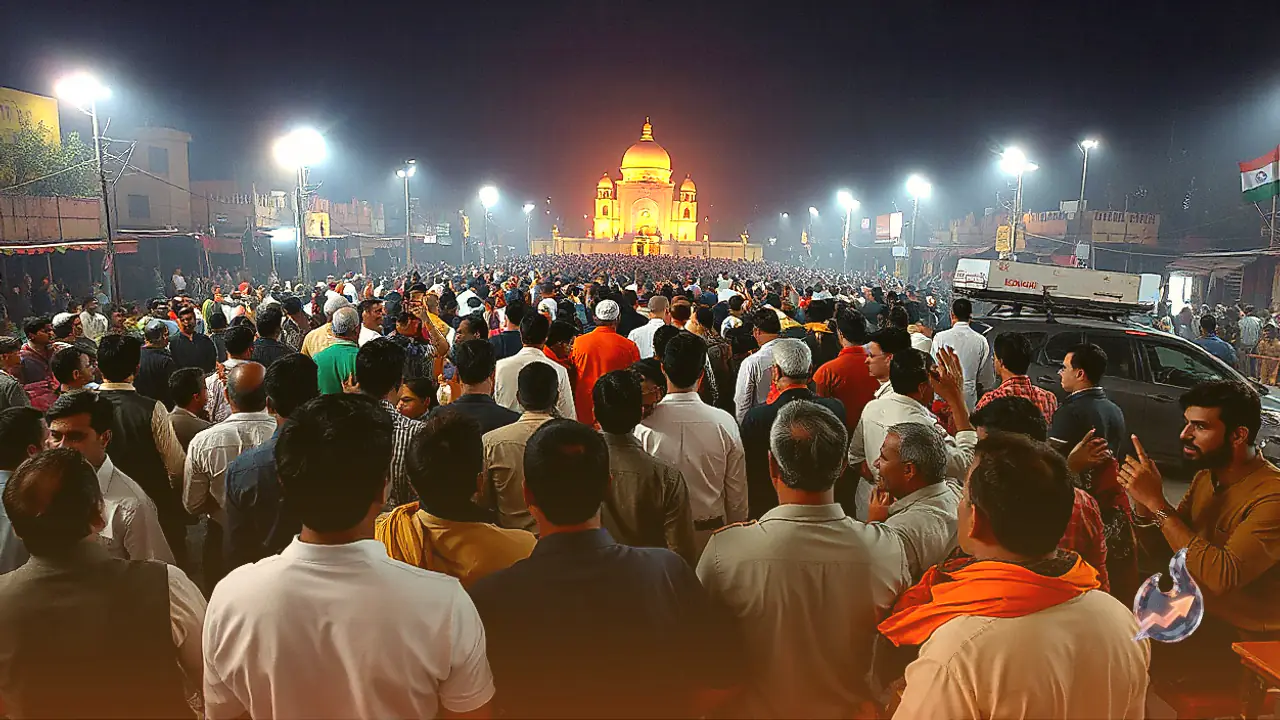














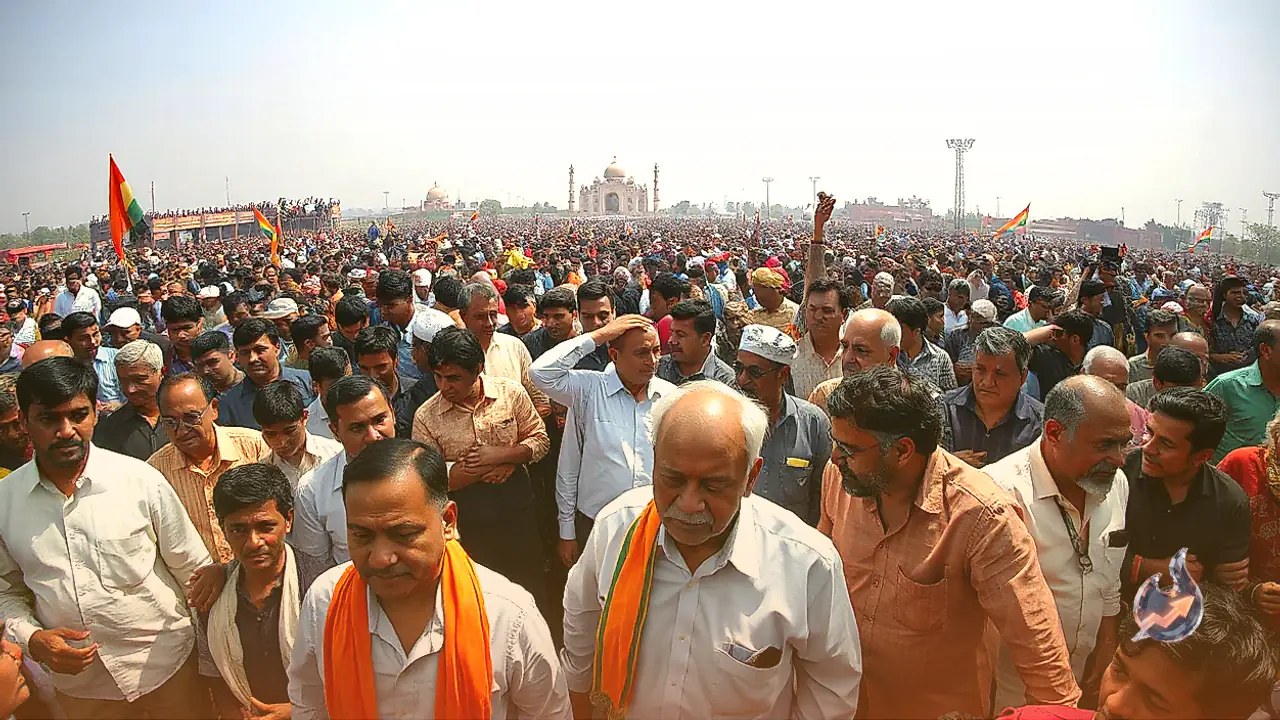

A massive opposition demonstration took place at Delhi's historic Ramlila Maidan on November 1, where allied political parties mounted a unified front against the election management authorities under the banner of saving votes and protecting democracy. Led primarily by the Congress, the protest aimed to challenge the fairness of the electoral process and scrutinize institutional decisions, drawing key regional stalwarts alongside national figures, even as notable veterans from Maharashtra remained absent.
Procession Advances from Mallikarjun Kharge's Residence
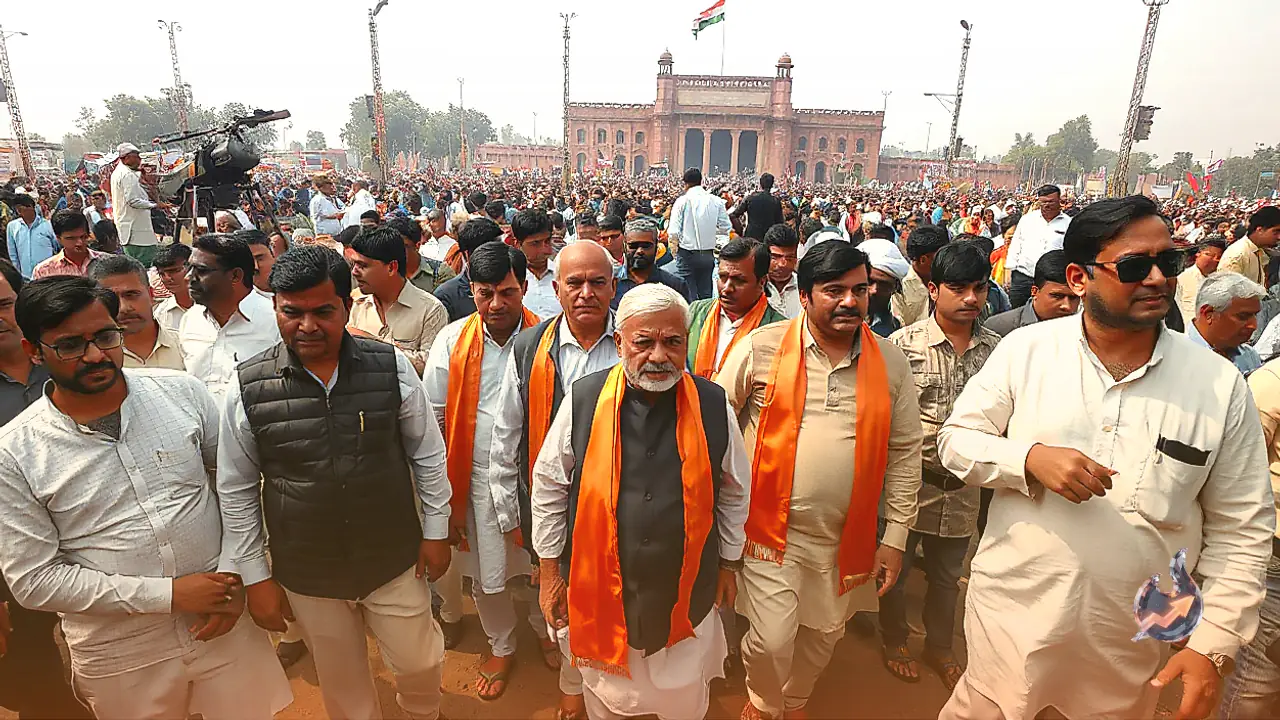
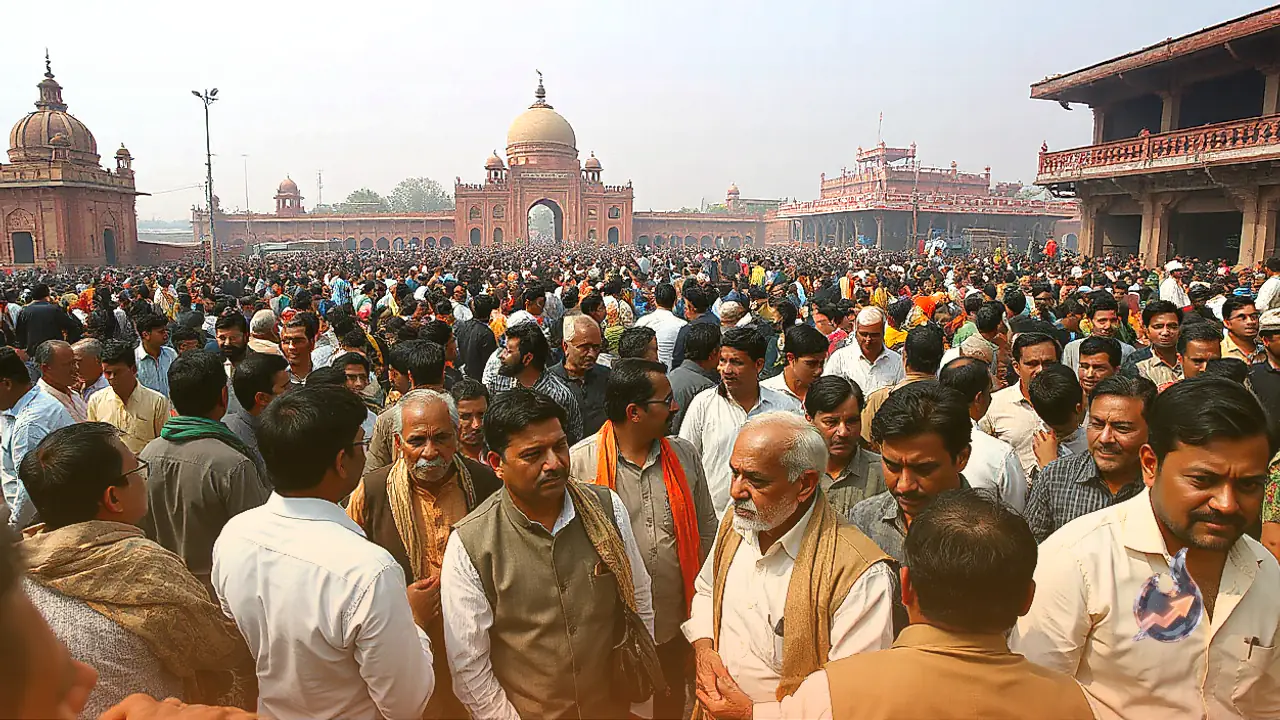
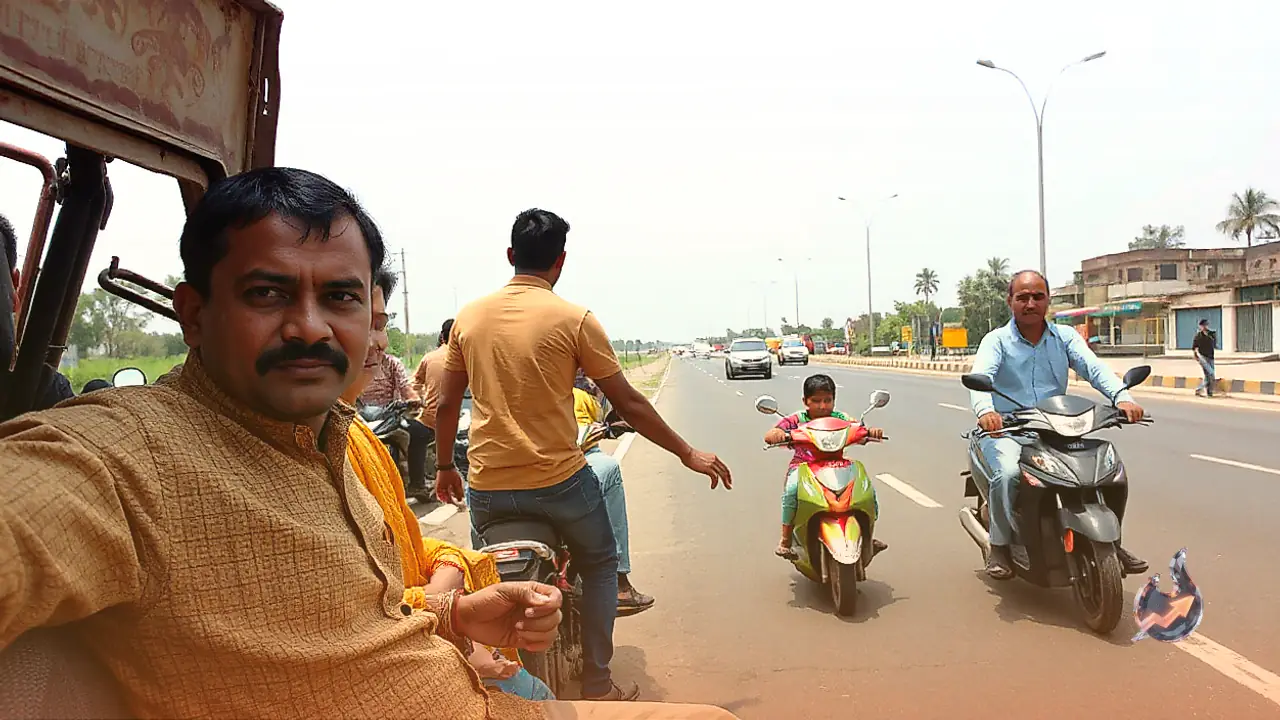
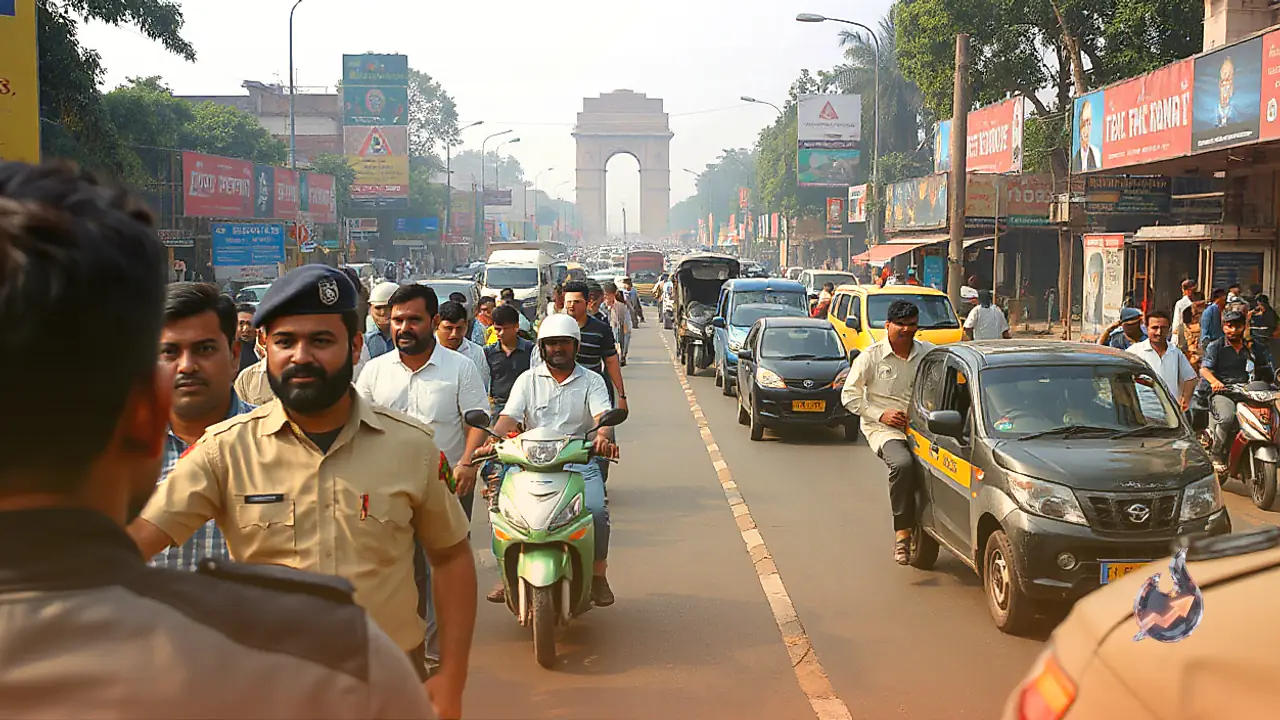
The demonstration kicked off earlier in the day when leaders of the alliance assembled at the official residence of Congress President Mallikarjun Kharge. From there, the political representatives boarded open vehicles to make their way toward Minto Road. Upon arriving at Minto Road, the political brass and hundreds of party workers embarked on a march on foot, winding through Ajmeri Gate before culminating at the Ramlila Maidan rally ground. The route witnessed intense mobilization as cadres waved flags and voiced opposition against institutional practices.
Key Opposition Heavyweights Assemble on Stage
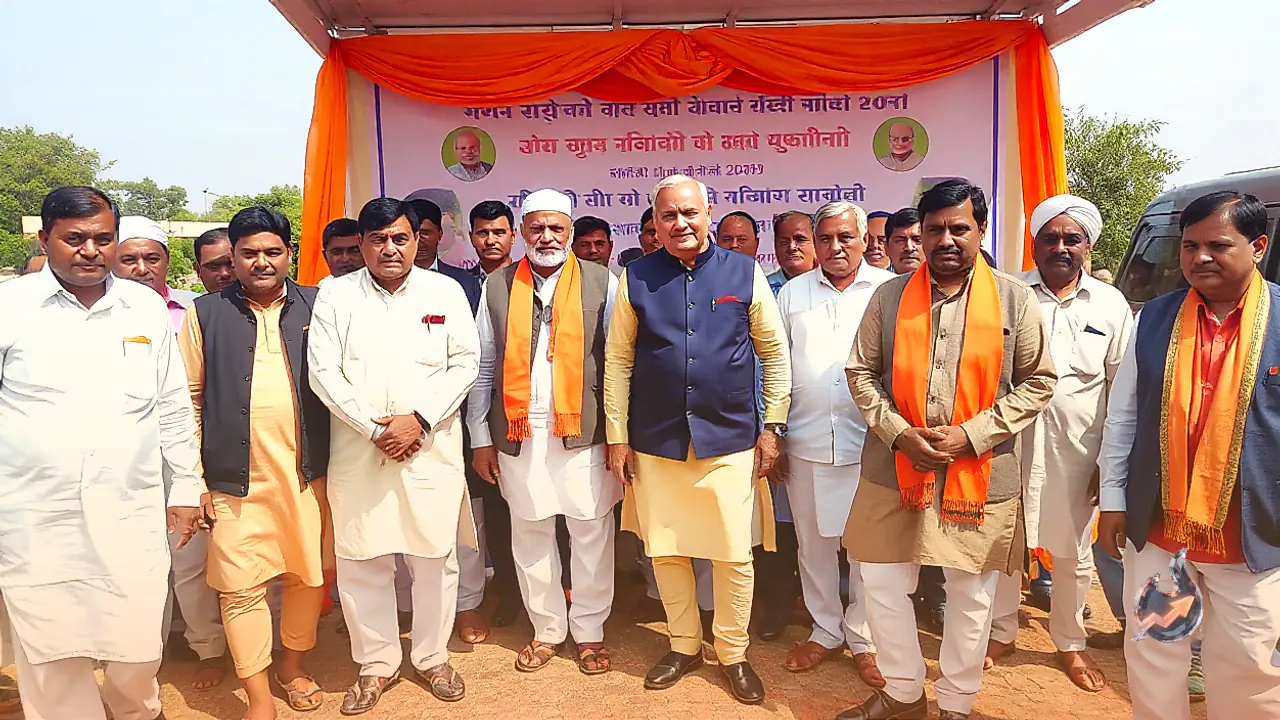
The stage featured prominent non-BJP figures, with Leader of the Opposition in the Lok Sabha Rahul Gandhi standing alongside Mallikarjun Kharge and Sonia Gandhi. They were joined by Samajwadi Party chief Akhilesh Yadav, West Bengal Chief Minister Mamata Banerjee, and Bihar political figure Tejashwi Yadav. Other notable leaders walking the route included Trinamool Congress leader Abhishek Banerjee, National Conference patron Farooq Abdullah, CPI(M) General Secretary MA Baby, Communist Party of India General Secretary D Raja, and CPI(ML) Liberation General Secretary Dipankar Bhattacharya. A significant contingent of former Congress chief ministers and senior party officials also took part.
However, noticeable gaps were evident in the lineup. Senior figures such as Uddhav Thackeray of the Shiv Sena (UBT) and veteran NCP stalwart Sharad Pawar were missing from the platform, although other party representatives marked their presence. Despite these individual absences, the alliance cited the participation of leaders representing 21 distinct political outfits, presenting the gathering as a cohesive front across state boundaries.
Allegations Over Special Intensive Revision and Voter Deletion
The focal point of the mobilization centered on the Special Intensive Revision (SIR) of electoral rolls and the broader functioning of the Election Commission of India. Opposition parties alleged that the SIR exercise led to the unjustified removal of a substantial number of eligible voters from registered voter directories across multiple segments. Framing the issue as a direct blow to citizen voting rights, the coalition elevated its demands to institutional accountability.
As part of their formal confrontation with election administrators, the coalition demanded the immediate resignation of Chief Election Commissioner Gyanesh Kumar. Platform speakers argued that alleged irregularities in voter roll maintenance directly damage the perceived impartiality of democratic voting mechanisms. These allegations continue to sustain significant friction between the election regulatory body and opposition benches.
Strategic Implications for Rahul Gandhi and Alliance Unity
A day prior to the march, Rahul Gandhi took to social media to urge citizens and party cadres to turn up in substantial numbers, describing the movement as a crucial step toward safeguarding democratic foundations and voting rights. Responding to the call, party workers from several states traveled to Delhi, voicing protest slogans throughout the Ramlila Maidan compound against the SIR protocols.
For Rahul Gandhi, who has repeatedly flagged issues surrounding electronic mechanisms and voter lists, this event represents an attempt to institutionalize the narrative beyond the Congress party alone, transforming it into a joint nationwide opposition campaign. The active attendance of Mamata Banerjee and Akhilesh Yadav signaled shared apprehension concerning election oversight, even as different regional parties continue to balance localized political competitions and divergent state priorities.