























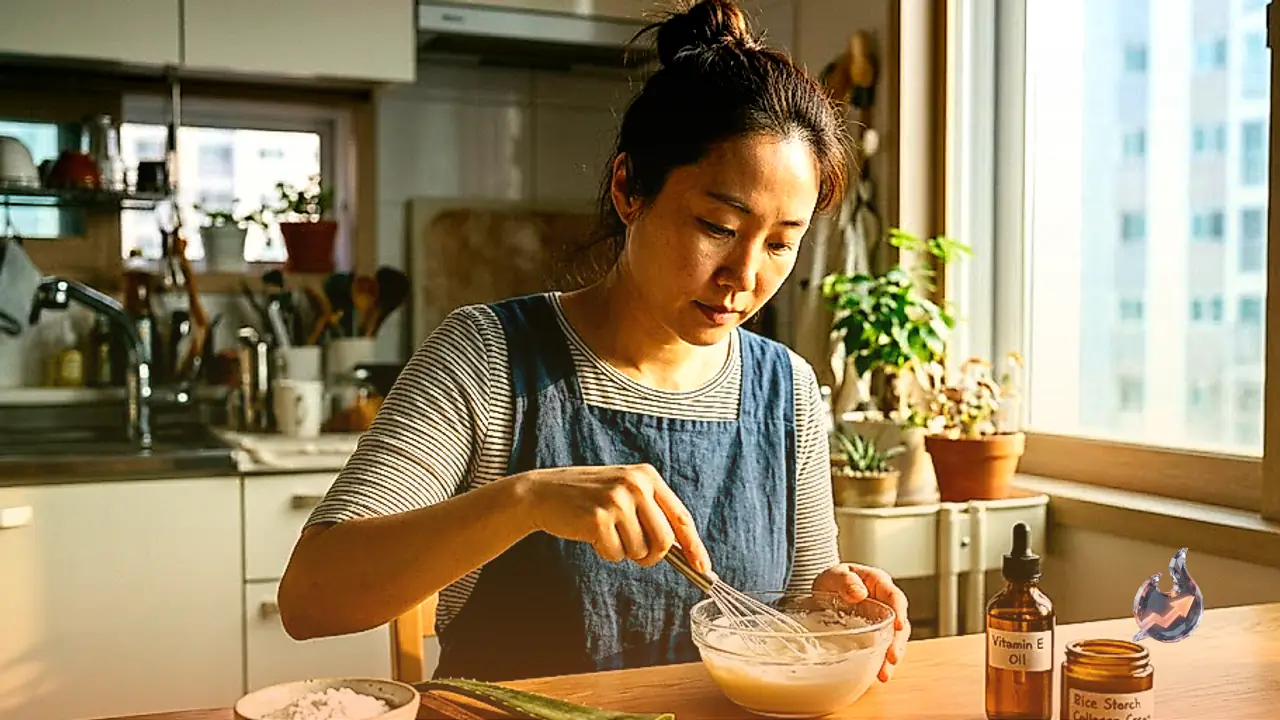

Natural skincare solutions are rapidly gaining traction as people seek effective alternatives to expensive salon treatments and synthetic cosmetics. Consumers are increasingly drawn to budget-friendly home remedies that nourish the skin without relying on harsh chemicals. If your face has lost its natural radiance, fine lines have begun to emerge, or skin firmness feels diminished, a simple kitchen staple could prove surprisingly beneficial. Rice starch, the viscous liquid left behind after cooking rice that is commonly discarded, is packed with vital nutrients that make it an exceptional component for topical skin application. A DIY collagen cream utilizing this rice water derivative has become widely discussed across social media platforms. While it cannot replace formal medical dermatological care, integrating this mixture into a disciplined skincare regime alongside proper nutrition can yield visible improvements for many individuals.
Understanding the Nutrient Profile of Rice Starch
The dense liquid obtained after boiling or cooking rice is loaded with essential vitamins, minerals, and protective antioxidants. The natural starch within this liquid works to soften skin texture and improve smoothness. Simultaneously, its antioxidant content helps neutralize environmental stressors and damage caused by daily pollution exposure. When blended with aloe vera gel, vitamin E capsule oil, and a choice of almond or coconut oil, it forms a deeply hydrating emulsion. Unlike commercial formulations packed with artificial additives, this cost-effective home remedy delivers deep moisture while helping maintain a healthy, vibrant appearance.
Key Ingredients for DIY Rice Collagen Cream
Preparing this nourishing cream at home requires only a few accessible components that can be sourced easily from your kitchen or a local market
- 3 to 4 tablespoons of thick, cooled rice starch
- Aloe vera gel as required
- Liquid extracted from a vitamin E capsule
- Half a teaspoon of almond oil or coconut oil
Step-by-Step Preparation and Storage Guidelines
The process of formulating this cream is straightforward and takes just a few minutes. Begin by allowing the thick rice water collected after cooking to cool down completely to room temperature. Once thoroughly cooled, transfer 3 to 4 tablespoons of the starch into a clean mixing bowl. Add the aloe vera gel, squeeze in the oil from the vitamin E capsule, and pour in half a teaspoon of almond or coconut oil.
Using a spoon or small whisk, beat the mixture vigorously until all ingredients fuse into a smooth, creamy texture resembling store-bought facial creams. Once the desired consistency is achieved, transfer the formulation into a clean, dry glass jar or bottle and place it inside the refrigerator. Stored under refrigeration, this homemade cream remains usable for approximately 7 to 10 days.
Application Technique for Optimal Hydration
To maximize the benefits of this natural cream, proper application procedures should be followed
- Cleansing: Start by washing your face thoroughly with a mild face wash to clear away accumulated dirt and excess sebum.
- Upward Massage: Take a small quantity of the cream on your fingertips and apply it across your face and neck. Gently massage in upward motions for 3 to 5 minutes to facilitate deep absorption into the skin layers.
- Overnight Retention: Leave the cream on overnight rather than washing it off immediately.
- Morning Rinse: Wash your face with regular water the following morning. Consistent daily application helps retain moisture and leaves the skin feeling refreshed.
Examining the 30-Day Skin Tightening Claims and Precautions
Social media platforms frequently promote claims that using rice starch cream continuously for 30 days will visibly firm sagging skin. However, individual skin responses vary significantly. Factors such as biological age, dietary habits, sleep quality, hormonal fluctuations, and overall lifestyle play substantial roles in determining skin health and elasticity.
Consequently, home remedies may not deliver identical outcomes for every user. If you experience persistent skin concerns or rapid signs of aging, seeking guidance from a certified dermatologist is recommended rather than relying exclusively on natural preparations.
Safety Measures and Holistic Skincare Practices
Individuals with sensitive skin must exercise caution and conduct a patch test prior to full facial application. Apply a small amount of the cream behind your ear or on your inner wrist. If any burning sensation, itching, or redness occurs, discontinue usage immediately.
Furthermore, achieving long-term skin health requires a comprehensive approach beyond topical creams. Ensure adequate daily water intake, consume a balanced nutrient-dense diet, get sufficient sleep, and apply sunscreen every day before stepping outdoors. Adopting a well-rounded skincare routine yields sustainable benefits over time.