





















Every day, fresh flowers are offered during morning prayers in home altars and temples. Once these flowers dry up the following day, most households struggle to find a respectful and useful way to dispose of them, often ending up throwing them into the domestic trash. Repurposing these sacred blooms offers an eco-friendly and practical alternative. Clean petals of rose, marigold, mogra, jasmine, and hibiscus can be easily converted into natural, aromatic incense sticks right at home. This simple DIY method requires no expensive store-bought equipment and uses basic natural ingredients readily available in most kitchens. Even first-time crafters can successfully make chemical-free incense by following a clean, methodical preparation process.
Selecting and Drying the Flowers Properly
The first critical phase in making homemade incense involves thoroughly inspecting and cleaning the gathered flowers. Carefully remove stems, green calyxes, leaves, strings, and any visible debris from the petals. Avoid washing the petals with water, as excess moisture encourages mold growth and lengthens the drying timeframe. Instead, gently wipe away surface dust using a soft, dry cotton cloth. Spread the cleaned petals evenly in a single layer across a clean tray, plate, or cloth.
Place the trays in a well-ventilated, airy indoor space or shaded balcony for 2 to 3 days. While mild sunlight speeds up moisture evaporation, long exposure to harsh direct sunlight should be avoided because intense heat can strip away the natural essential oils and delicate floral aromas. Before moving to the grinding stage, ensure that the petals are completely dry with zero lingering moisture.
Grinding to Powder and Blending Natural Aromatics
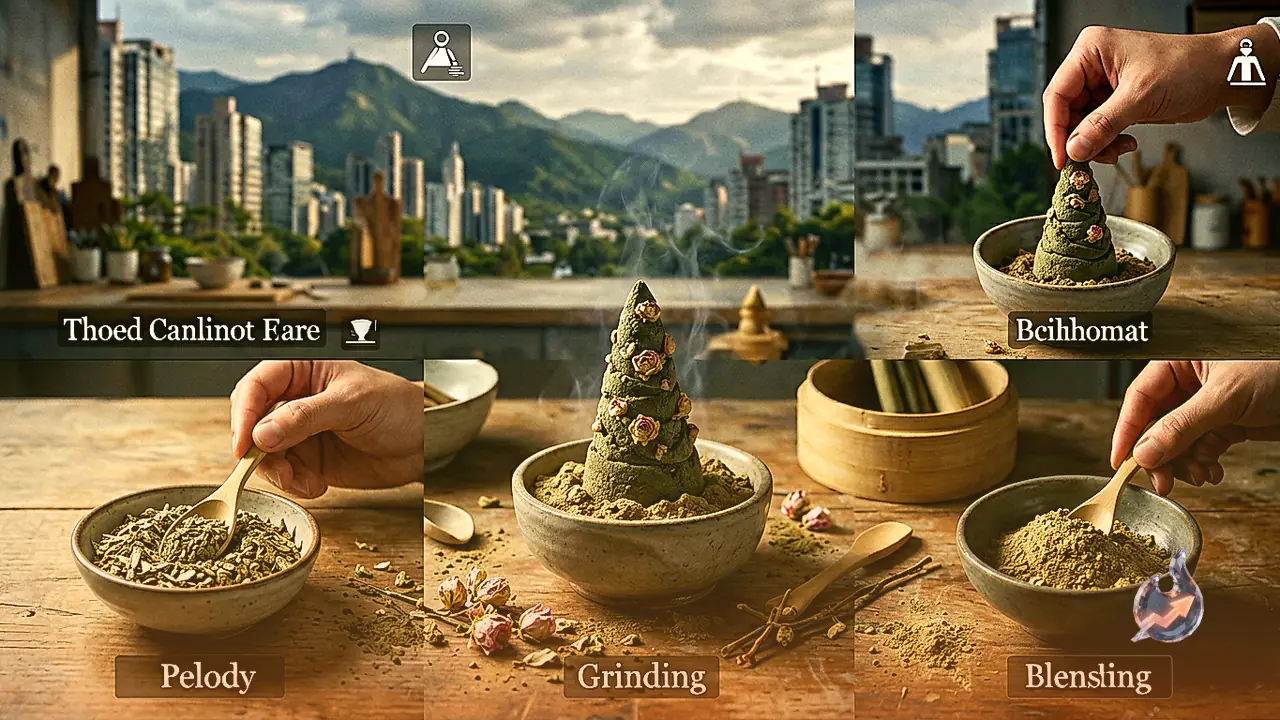
Once the petals become crisp and break easily between your fingers, crush them manually into smaller fragments. Transfer these dried pieces into a kitchen mixer or spice grinder and pulse until a fine floral powder forms. Pass this ground material through a fine mesh sieve to separate coarse bits from the smooth powder, ensuring a uniform texture for your incense base.
To enhance the fragrance and burning qualities of the incense, mix complementary natural aromatics into the sieved flower powder. Small quantities of crushed camphor, frankincense (loban), guggul, or traditional herbal sacred mix (hawan samagri) can be added according to your aroma preference. If using liquid attar or concentrated essential oil, add just a few drop by drop to prevent the mixture from turning overly wet. Next, gradually incorporate small amounts of pure desi ghee into the dry mix. Add a few drops of water only if necessary to bind the ingredients, taking care not to pour too much liquid at once. Work the mixture with your hands until it achieves a smooth, workable dough-like consistency.
Shaping and Final Curing Process
Take small portions of the prepared incense dough and mold them into traditional conical dhoop shapes or slender cylindrical sticks. Ensure the base of each cone is flat so it stands securely on an incense holder. Place the freshly shaped incense pieces slightly apart on a dry plate or tray line with clean paper or cloth.
Allow the shaped cones to dry in a shaded, well-ventilated area for 1 to 2 days. Periodically flip the pieces over so that air circulates evenly around all sides, preventing uneven moisture retention. Confirm that the incense is thoroughly dry to the core before lighting, as any hidden dampness will prevent proper smoldering.
Safety Guidelines and Ecological Advantages
Always inspect the raw flowers carefully before starting the preparation. Discard any blossoms that show signs of black mold, fungal growth, or decay. Burning moldy organic matter indoors releases unpleasant odors and degrades indoor air quality, rendering the incense unsuitable for domestic use.
Repurposing daily worship flowers reduces household waste while creating a pure, toxin-free incense alternative for your home. When burning your handmade dhoop, ensure the room has adequate airflow and ventilation. Always keep lit incense on a heat-resistant surface, well away from children, pets, and flammable materials.