

















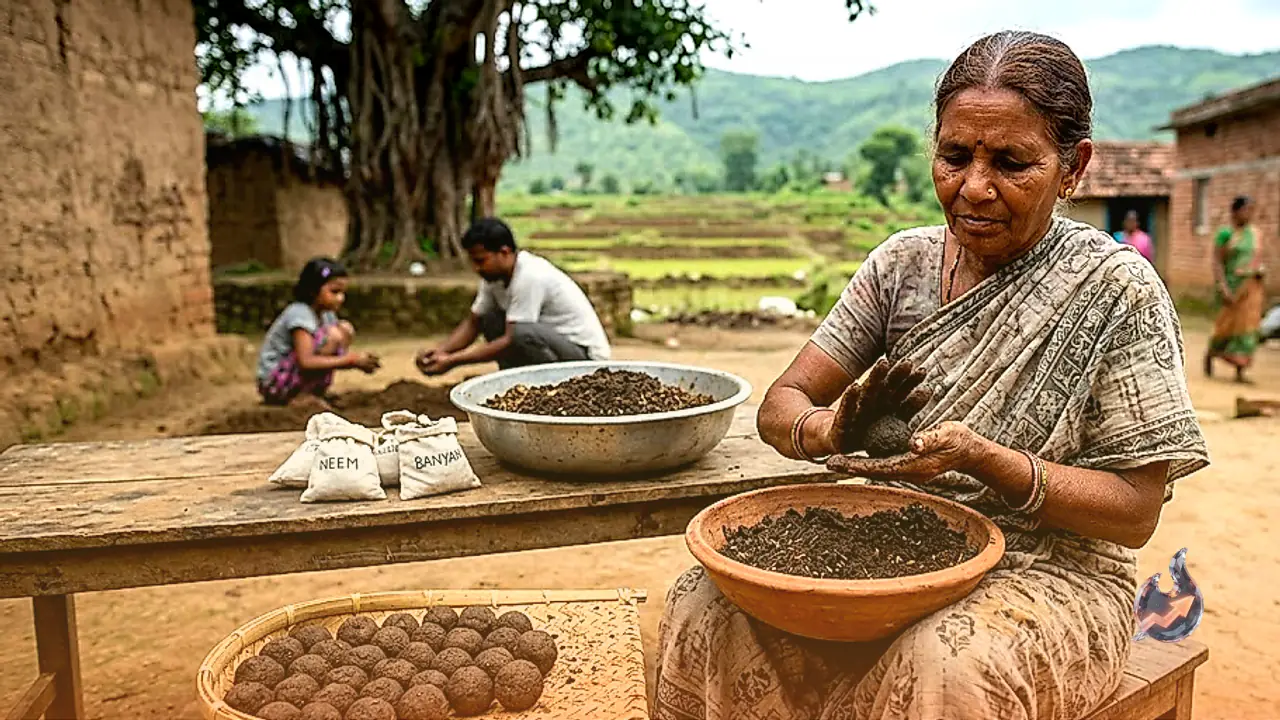

Amidst the escalating threats of climate change, rapid deforestation, and soaring global temperatures, protecting our environment has become the most urgent priority of our time. In the relentless race of rapid urbanization, we have mercilessly chopped down the very trees that once formed an integral part of our daily lives and local communities. Our modern cities, which have now tragically morphed into sprawling concrete jungles, are in desperate need of fresh, breathable air and natural cooling shades more than ever before in human history. Consequently, an urgent question arises in everyone's mind regarding what individual actions we can take at our own personal level. While everyone acknowledges that planting trees is the ultimate solution to these existential crises, practical hurdles often hold people back. A lack of spare time, the inability to provide regular maintenance, or simply not having access to suitable planting grounds can make traditional afforestation efforts seem daunting. Enter the 'seed ball', a phenomenally simple, zero-cost, and nature-friendly innovation that completely bypasses these everyday obstacles. The monsoon season is nature’s own grand tree-planting festival. If we dedicate just a little time right before the heavy rains arrive to prepare these tiny ecological marvels, we can effortlessly contribute to growing thousands of new trees. This hands-off approach is a pure blessing for remote or inaccessible areas where daily watering, weeding, and nurturing are practically impossible.
What Exactly Are Seed Balls and How Do They Work?
At its core, a seed ball is an ancient, highly effective agricultural technique designed to give vulnerable seeds a robust protective armor until the weather conditions are perfect for growth. The composition is straightforward. It consists of ordinary fine soil, thoroughly decomposed cow dung or organic compost, and a few carefully selected seeds. These ingredients are kneaded together and rolled into tight, small spheres. Once tossed onto an open patch of land, they lie dormant and wait for the weather to shift. The magic happens the moment the first monsoon showers hit the ground. The hardened clay exterior acts like a sponge, slowly absorbing the rainwater and gently softening. As the shell breaks down, the seed tucked safely inside is immediately welcomed by the moisture of the rain and the rich nutrition of the compost, triggering rapid germination. In this fascinating process, nature herself takes over the role of the gardener, requiring only human assistance to transport the seeds to their final destination.
Your Step-by-Step Guide to Crafting Them at Home
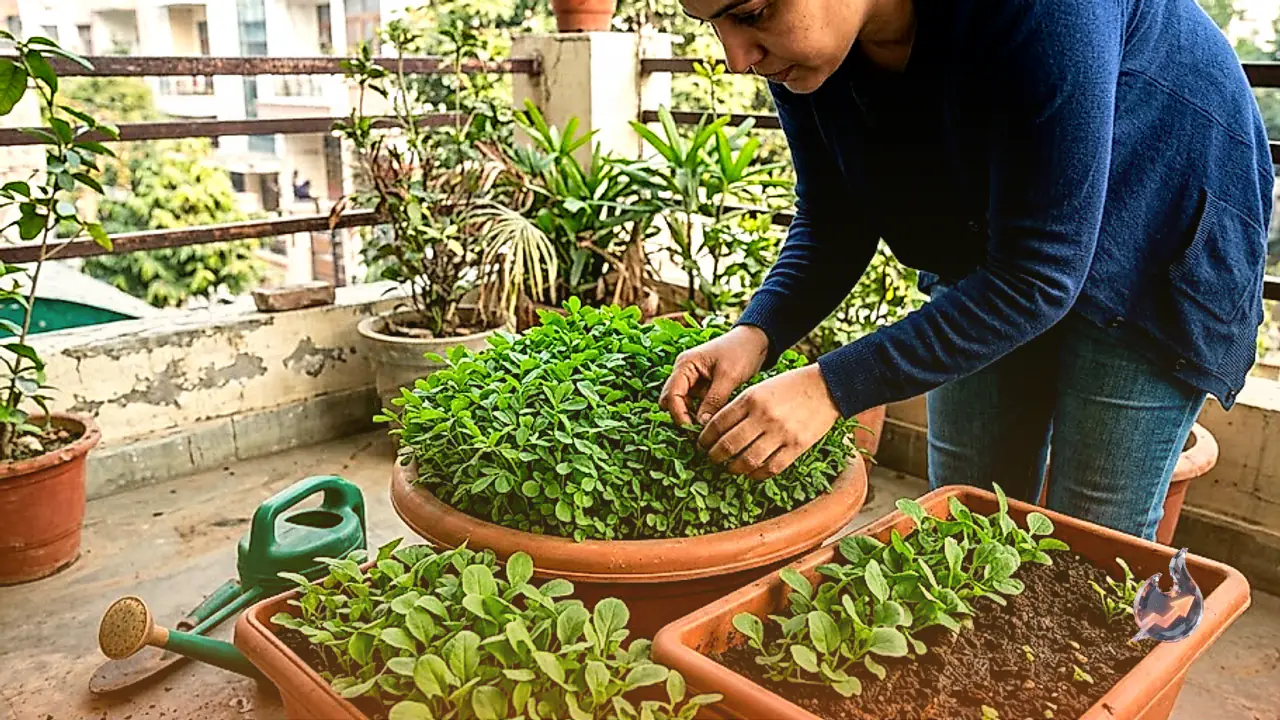
The greatest appeal of this green technology is its sheer accessibility. You do not need any expensive equipment, chemical fertilizers, or expert botanical knowledge to get started. Anyone, including young children, can easily prepare them right in their backyard or living room balcony. To begin the process, you need to gather finely sifted soil. Mix this soil thoroughly with an equal proportion of well-rotted cow dung manure or high-quality vermicompost. This organic matter will serve as the crucial initial food supply for the budding seedling. Next, take one or two seeds of your chosen plant species and nestle them right in the center of the mixture. Gradually sprinkle small amounts of water over the blend and use your hands to roll it into round, compact balls. The texture is the key here. The mixture must not be dripping wet nor too crumbly, ensuring that the balls hold their round shape firmly without cracking apart prematurely.
The Crucial Step: Why You Must Avoid Direct Sunlight
Once you have rolled out a good number of these spheres, the curing process requires strict attention. A very common mistake enthusiastic beginners make is placing their freshly rolled batch under the scorching sun to dry them out quickly. According to agricultural experts, this is a fatal error. Some enthusiastic individuals even make the catastrophic mistake of trying to dry them quickly near kitchen ovens or room heaters, which is an entirely flawed approach. The microscopic life dormant inside the seeds is highly fragile and desperately requires a natural life cycle to flourish properly. Seed balls must always be laid out to dry in a well-ventilated, entirely shaded area for at least one to two days. Exposing them to harsh, direct sunlight can completely bake the seed inside, vaporizing its internal moisture and permanently destroying its natural germination capacity. When you allow these earthy spheres to dry slowly at normal ambient room temperature with the help of natural breezes, the microscopic soil particles bind together powerfully. Once they are fully cured and rock-hard, you can safely store them in cardboard boxes or cloth bags until you are ready to deploy them.
Eliminating the Need for Digging Pits and Watering
Traditional tree planting is a labor-intensive affair. It demands digging deep pits with shovels, mixing fertilizers into the ground, carefully placing the sapling, and then committing to a strict watering schedule for months on end. The seed ball method magically erases all of this back-breaking labor. Once your batch is fully dried, all you have to do is toss, throw, or drop them onto any vacant piece of land. You can scatter them across barren hillsides, along desolate highway stretches, near railway tracks, across large public parks, or any abandoned plot in your neighborhood. When the torrential monsoon rains arrive, nature takes the steering wheel. The natural rainwater, which otherwise flows away uselessly into city drains, provides all the life-giving hydration the seeds will ever need. There is absolutely no requirement for you to return to the site to dig trenches, water the sprouts, or pull out aggressive weeds.
A Natural Fortress Against Birds and Hungry Insects
If you simply scatter raw seeds in the open, the chances of them surviving to become mature trees are abysmally low. They are instantly spotted and eaten by birds, carried away by ant colonies, or destroyed by rodents and ground insects. The brilliance of this method lies in its physical design. The hard earthen casing serves as an impenetrable fortress for the seed. Until the heavy rains arrive to dissolve this barrier, predators cannot access the food hidden inside. By the time the shell melts away, the seed has already begun drawing nutrients from the compost and shooting out delicate roots. Furthermore, using seeds from resilient native tree species like Neem, Banyan, or local fruit trees drastically increases the survival rate. Because they are naturally evolved to thrive in the regional soil and specific climate conditions, they require minimal interference to mature into towering giants.
Reviving Barren Ecosystems and Boosting Biodiversity
The impact of this technique extends far beyond just growing a few scattered trees. It is a highly potent tool for large-scale ecological restoration. Forest departments and prominent environmental organizations across the globe are heavily relying on this method. They often utilize drones and helicopters to drop millions of seed balls over completely degraded forests and inaccessible mountain ranges. Traditional afforestation in such hostile, nutrient-depleted terrains is both financially draining and physically risky. However, when thousands of these nutritional spheres containing a diverse mix of native seeds are dispersed, they can collectively spark the rebirth of a dead landscape. As native vegetation begins to reclaim the barren earth, it triggers a magnificent chain reaction. Butterflies, bees, birds, and small wildlife naturally return to the area, massively boosting local biodiversity and demonstrating that planetary healing does not always demand massive corporate budgets.
Building a Mass Movement for the Next Generation
The true potential of this initiative will only be unlocked when ordinary citizens turn it into a widespread mass movement. If every single family pledges to spend a weekend afternoon making a few dozen balls before the monsoon arrives, the entire country could witness the birth of millions of new trees almost overnight. More importantly, involving children in this messy, hands-on activity is an incredible educational experience. It connects them directly with the soil and teaches them the profound value of life. When kids roll the mud and protect the seeds themselves, they develop a deep, lifelong emotional bond with nature conservation. If modern corporate offices and massive businesses also start organizing such green activities for their stressed employees over the weekends, the positive impact could be exponentially broader. This initiative is not merely a traditional tree-planting campaign. Rather, it is a small yet incredibly beautiful attempt to repay the massive debt we owe to Mother Earth. Schools, colleges, and civic societies should actively organize community manufacturing camps to ensure widespread participation. The future generations will not remember us for the heavy bank balances we leave behind, but they will certainly remember us for the clean environment, breathable air, and dense forests we manage to preserve.