























While tending to container plants on a balcony or rooftop garden, it is quite common to spot tiny green sprouts unexpectedly popping up in the soil. Most home gardeners react instinctively by immediately pulling these out, assuming they are nothing more than unwanted weeds competing for nutrients. However, gardening experts suggest that not every unidentified green shoot emerging from the potting mix is harmful waste. Frequently, these sprouts stem from dormant seeds already present in the soil, beneficial seedlings carried through organic compost, or seeds dropped by visiting birds. Taking a hasty approach to pluck every unknown growth can mean accidentally destroying a potential new plant before it ever gets a chance to flourish.
Hidden Factors Behind Sudden Sprouting in Container Soil
The soil mix inside a plant pot is far from being completely inert or sterile. It serves as an active biological medium containing organic matter, beneficial microorganisms, and various tiny seeds lying in a dormant state. As soon as this soil receives adequate moisture, aeration, and favorable ambient temperatures, these dormant seeds wake up and begin to germinate. Understanding the pathways through which these seeds enter your containers helps clarify why unwanted greenery appears so suddenly.
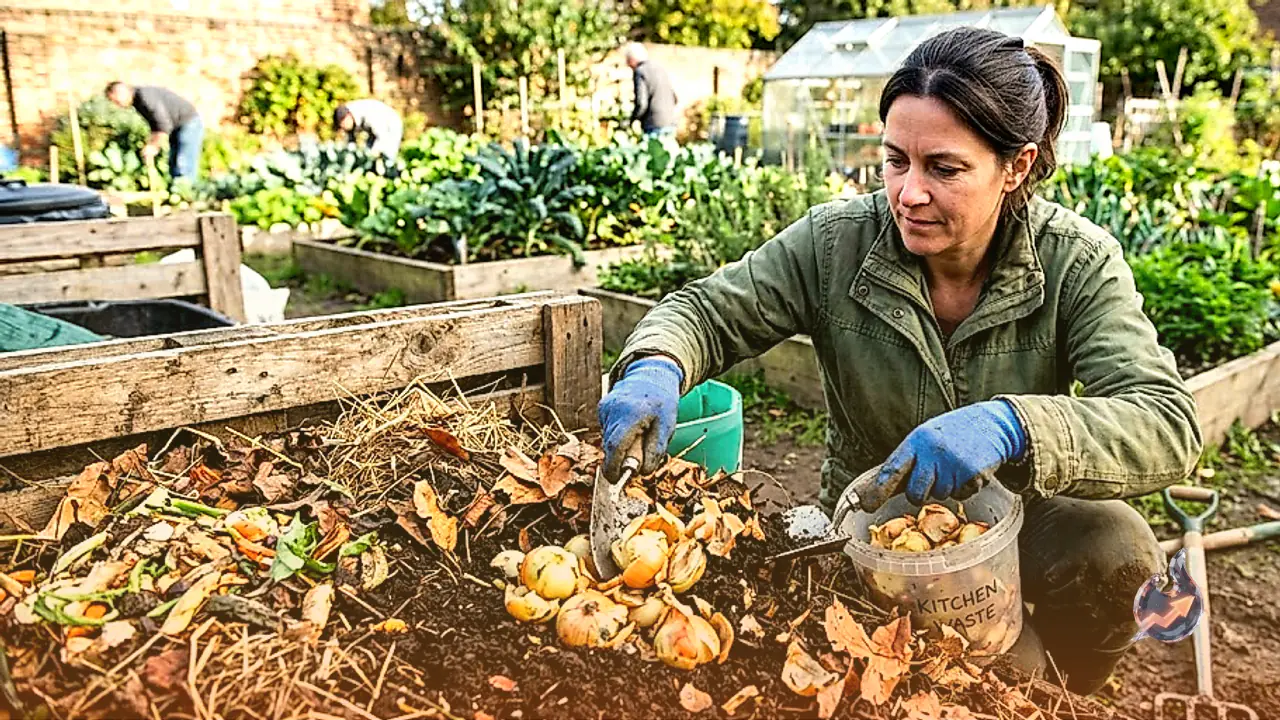
One primary source is the organic compost or home-brewed fertilizer used to nourish potted plants. Kitchen waste compost or store-bought organic fertilizers often retain uncomposted seeds from fruits, vegetables, or wild vegetation. Once mixed into container soil and regularly watered, these seeds quickly absorb moisture and break through the surface as fresh green seedlings within a matter of days.
Another major factor involves open atmospheric conditions and natural carriers. Pots kept on open terraces, balconies, or verandas are constantly exposed to wind currents that can easily carry lightweight seeds into the soil. Similarly, birds resting on garden ledges often drop seeds while feeding. In the initial stage, when a sprout displays only two or four tiny leaves, distinguishing a harmless weed from a valuable plant is nearly impossible.
Why Immediately Plucking Unidentified Growth Can Harm Your Garden
Imagine discovering a fresh green sprout emerging right beside your prize holy basil, money plant, or flowering potted species. The impulse to yank it out immediately is understandable, as gardeners naturally worry about weed competition. Yet, acting too quickly can permanently eliminate a potentially useful or beautiful addition to your garden collection.
Patience plays a vital role in successful gardening. If the newly sprouted growth turns out to be a genuine weed upon further observation, removing it becomes necessary to protect the main plant from nutrient theft. However, if it happens to be a seedling of a flowering plant, a herb, or a fruit-bearing species, allowing it a few days to develop gives you the opportunity to nurture an entirely new plant. Consequently, monitoring the seedling rather than pulling it out instantly is the most prudent strategy.
Identifying Garden Sprouts Through Leaf Structure and Growth Rate
To accurately determine the nature of a mystery seedling, observe its leaf shape, color tone, and growth momentum over a brief observation period. As the seedling develops past its initial cotyledon stage, its true species characteristics begin to manifest. Pay close attention to the following indicators during your inspection
- Growth Velocity: Typical weeds exhibit aggressive growth rates, expanding rapidly and occupying significant space around the main plant in a short time. If a sprout grows unnaturally fast and starts crowding the primary plant, it is very likely a weed.
- Leaf Structure and Pattern: Observe whether the new leaves closely resemble known plants such as chili, tomato, basil, or common flowering species. If the foliage looks familiar and structured, give the seedling more time to mature.
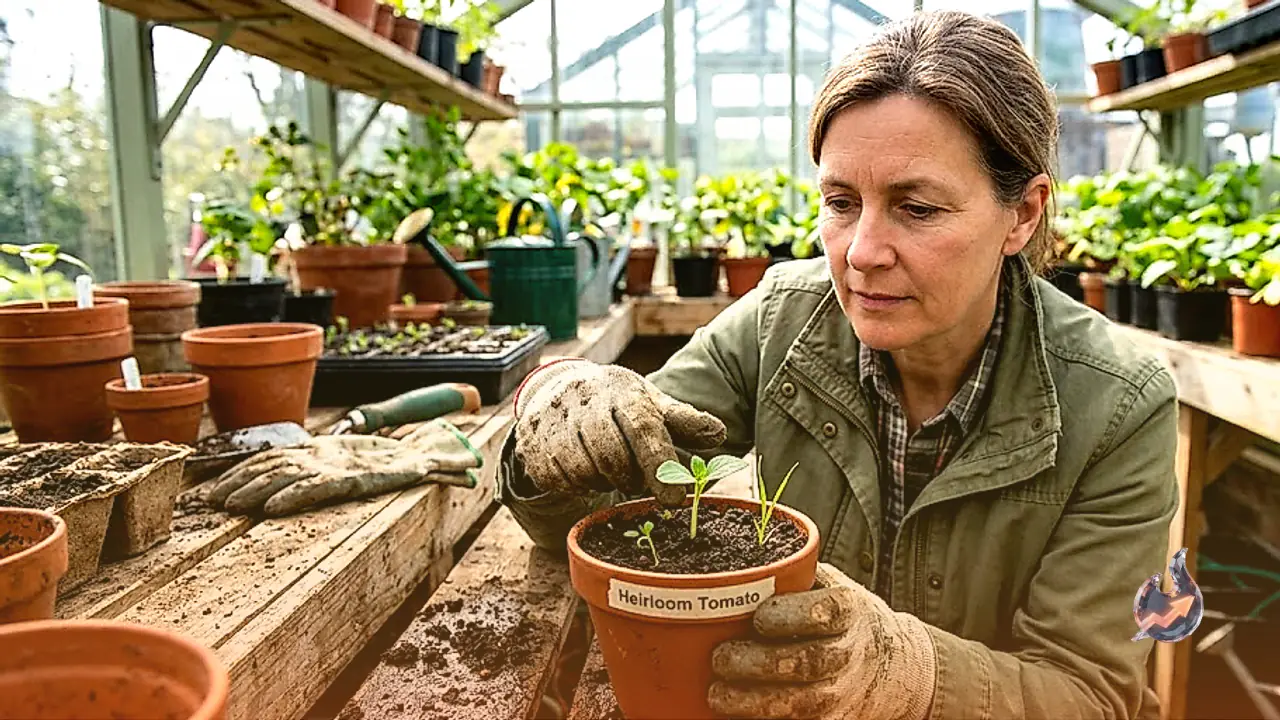
- Transplanting to a Separate Pot: If the sprout appears to belong to a desirable plant species, carefully scoop it out with its root ball intact and transfer it into a small individual container. This prevents any resource competition with your primary plant while giving the new seedling space to grow clearly.
Proper Root Extraction and Maintenance Once Weeds Are Confirmed
Once careful observation confirms that the mystery growth is indeed an undesirable weed, prompt removal becomes essential. Allowing weeds to grow large permits them to consume valuable soil nutrients, water, and root space, ultimately weakening your primary potted plant.
Always employ proper extraction techniques when removing weeds. Wait until the container soil is slightly damp, then grasp the weed firmly at the very base of its stem and gently pull upward to extract the entire root system intact. Attempting to pull weeds from dry, hard soil often causes the stem to snap, leaving roots buried below. Merely snapping off the top leaves is ineffective, as most weed species quickly regenerate new shoots from buried root remnants.
In addition to root extraction, maintaining proper container hygiene plays a crucial role in prevention. Avoid overwatering the soil, as excessive moisture creates ideal conditions for dormant weed seeds to germinate. Furthermore, clear away fallen dry leaves, decaying twigs, and organic debris from the soil surface, as decomposing waste creates a favorable environment for unwanted growth.
Does Unexpected Sprouting Indicate Spoiled Soil? Maintenance Myths Debunked
A common misconception among home gardeners is that the sudden appearance of weeds or unexpected sprouts indicates contaminated or spoiled potting soil. This assumption is entirely groundless. In reality, seed germination demonstrates that your potting mix is biologically active, fertile, and capable of supporting healthy plant life.
Replacing the entire soil mass simply because unexpected seedlings appear is completely unnecessary and can cause severe root shock to your primary plant. Instead, evaluate the new growth calmly and take action based on actual observation. A fundamental truth in container gardening is that not every green leaf is a threat. What initially looks like a weed might turn out to be a delightful, unexpected plant. Next time a tiny green shoot surfaces in your pot, grant it a few days of observation before deciding its fate.