




















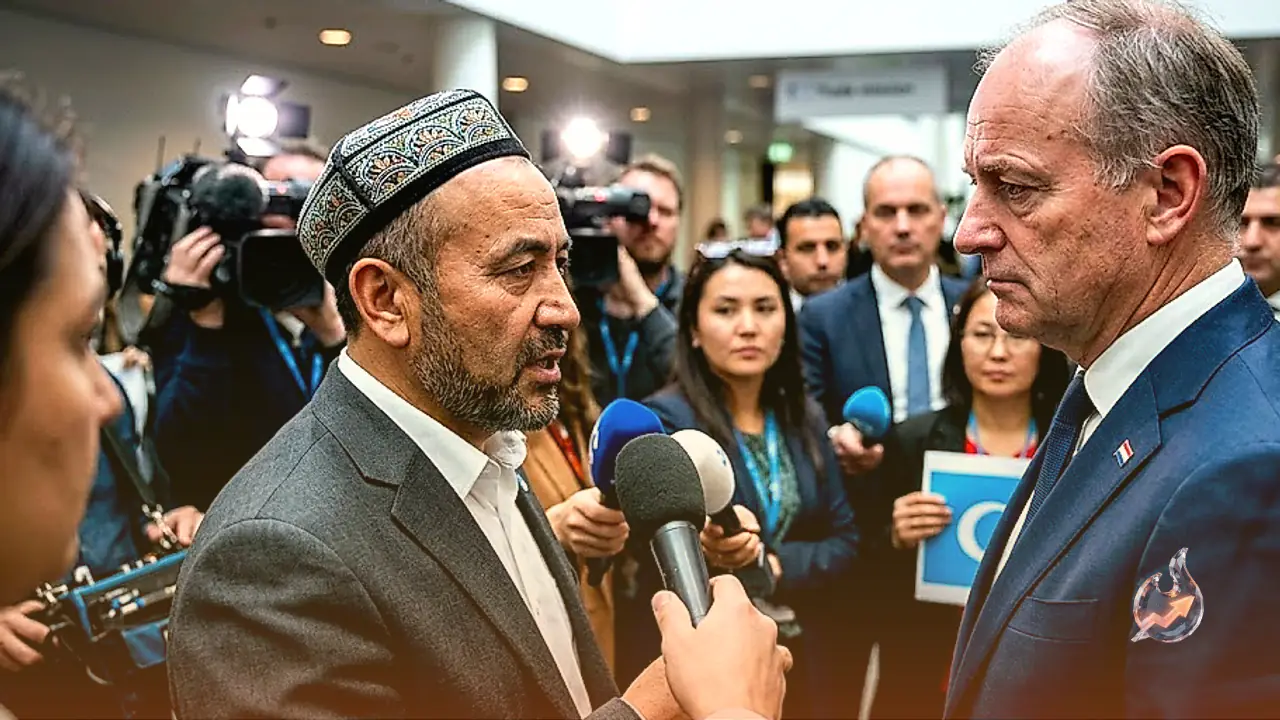

In a newly released assessment of international human rights advocacy, the Munich-based World Uyghur Congress (WUC) has voiced strong concerns regarding the global community's approach to the crisis in East Turkistan. The organization's weekly briefing, dated July 17, details a series of high-level diplomatic engagements and points to critical gaps in how Western nations are addressing systemic violations, particularly regarding state-sponsored labor practices and transnational harassment of dissidents.
Disappointment Over Dutch Trade Mission
A primary focus of the advocacy group's criticism is the Netherlands' recent diplomatic conduct. During an official trade delegation to China on July 13, led by Sjoerd Sjoerdsma, the Foreign Trade and Development Cooperation Minister, the critical issue of human rights abuses was notably absent from the formal agenda. This omission occurred despite a clear directive from the Dutch Parliament, which had previously passed a motion mandating that the delegation address the plight of the Uyghur population during their meetings with Chinese authorities.
The WUC expressed profound disappointment with Minister Sjoerdsma's silence during the bilateral talks. The group pointed out that during his tenure as a Member of Parliament, Sjoerdsma had been a vocal proponent of formally recognizing the Uyghur genocide. His failure to leverage his current ministerial position to advance these humanitarian concerns represents a significant setback for international advocacy efforts.
Preventing Forced Labor in European Markets
The growing economic ties between Europe and East Turkistan remain a major point of contention. The WUC warned that a steady increase in import volumes from the region increases the risk of products manufactured through state-imposed forced labor entering Dutch and broader European consumer markets. To counter this, the advocacy group is urging the Netherlands to take a public stand against the ongoing genocide when communicating with Beijing.
Furthermore, the organization called for immediate domestic reforms. These include the rigorous implementation of the European Union's Forced Labour Regulation and the establishment of binding human rights due diligence frameworks for commercial enterprises, ensuring that corporate supply chains are completely free from abusive practices.
Reflections on a Decade of Systematic Oppression
Marking a somber milestone, Dolkun Isa, the President of the UZDM, authored an opinion piece reflecting on ten years since the mass internment camps were established in East Turkistan. In his commentary, titled "Coming Together Against Silence: Reflections on the 3rd International Uyghur Forum, Ten Years After the Camps", Isa observed that while global awareness of the crisis has undoubtedly expanded, genuine legal accountability for the perpetrators remains disappointingly scarce.
Isa emphasized that the Uyghur population continues to endure pervasive surveillance, systematic forced labor, the deliberate dismantling of their cultural heritage, forced separation of families, and targeted harassment beyond China's borders. He reiterated that overcoming this crisis requires sustained international solidarity and unified global action.
Raising Voices at the United Nations and Washington
The campaign for justice was also taken to global diplomatic arenas. In Geneva, representatives from the WUC and UZDM participated in the 19th session of the UN Expert Mechanism on the Rights of Indigenous Peoples. During the session, WUC Vice President Zumretay Arkin highlighted the severe restrictions placed on the cultural and linguistic traditions of the Uyghur people. Dolkun Isa also addressed the gathering, warning that China's Ethnic Unity and Progress Law serves as a legal tool to accelerate the forced assimilation of Uyghurs and other Turkic groups.
Simultaneously, Uyghur representatives brought their concerns to the United States. At the IRF Peace Builders Forum held in Washington, DC, WUC Executive Committee Chair Rushan Abbas and Omer Kanat, the Executive Director of the Uyghur Human Rights Project, engaged in discussions regarding Beijing's restrictive religious policies. They focused on how transnational repression is increasingly being used to silence exiled communities and activists worldwide.