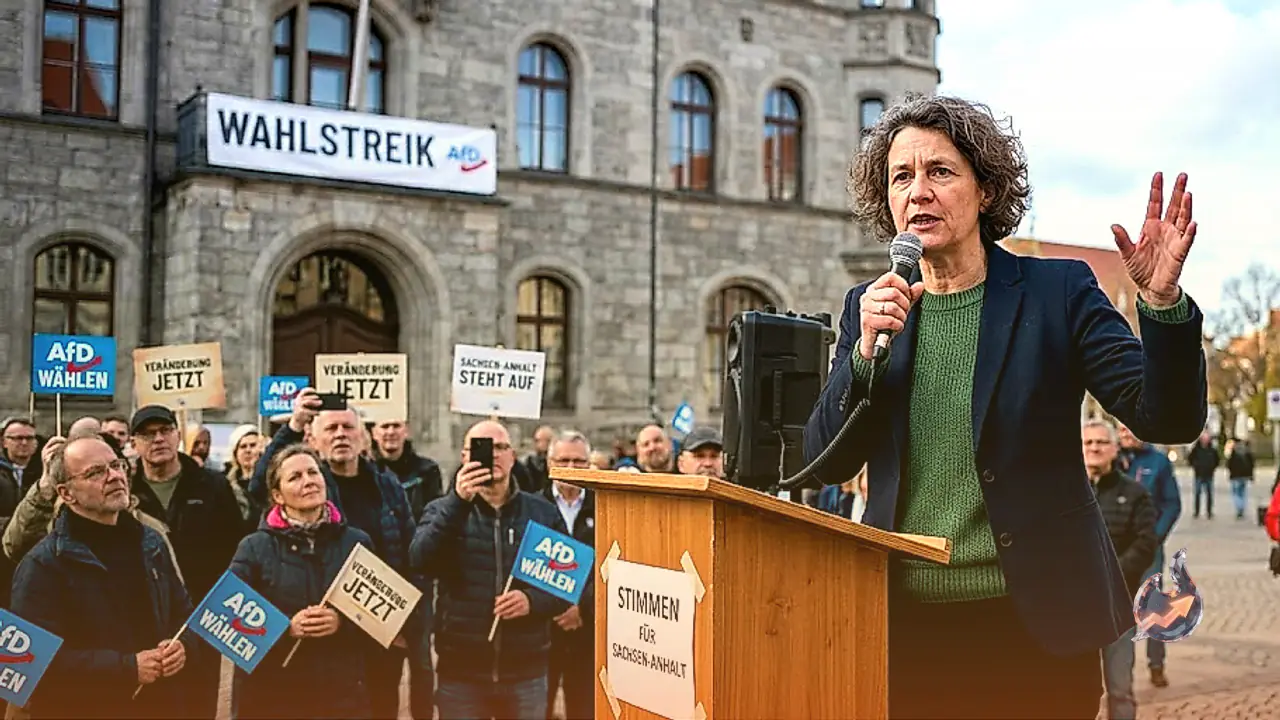
























The German political landscape faced a severe jolt when the anti-immigration Alternative for Germany party registered a stunning victory in local elections. Political analysts and media outlets described the outcome as a socio-political earthquake and a watershed moment for the nation, though some debated the scale of the reaction. Saxony-Anhalt remains one of the smallest among the country's 16 regions, boasting a mere 1.7 million voters out of 59 million eligible nationwide. Despite the party narrowly missing an outright majority, the political significance of the vote extends far beyond regional boundaries.
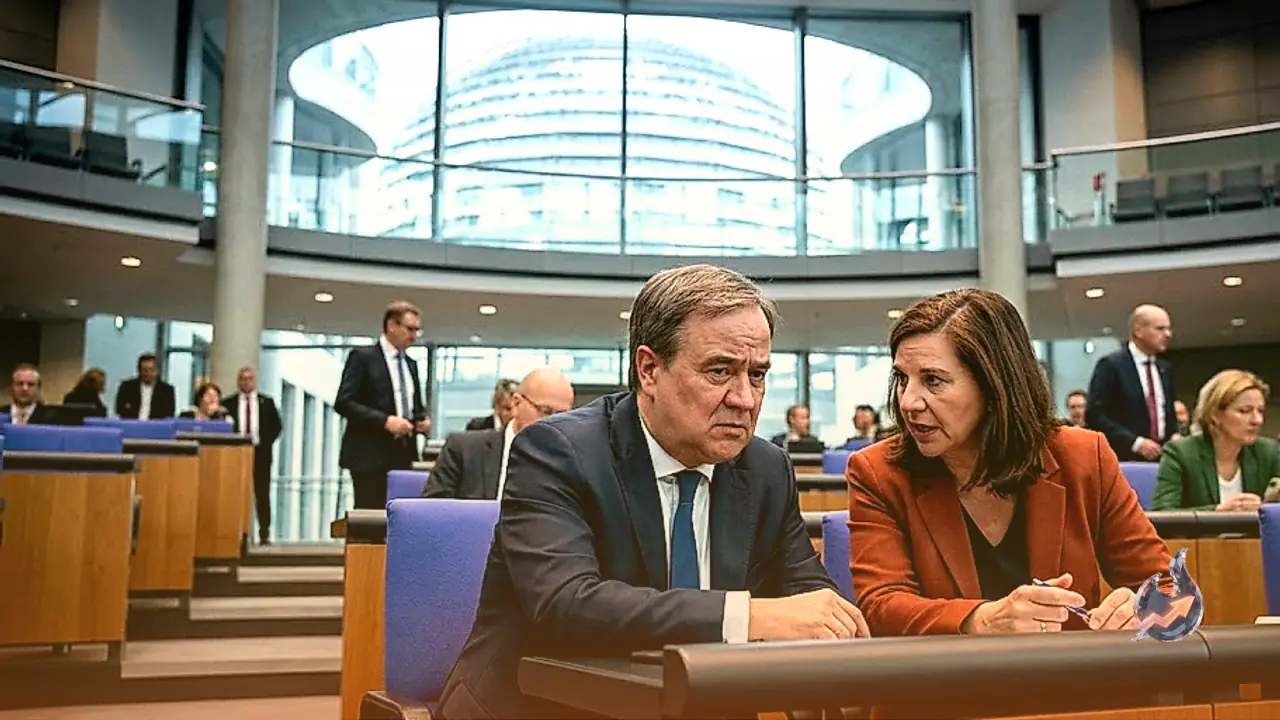
The electoral landslide places intense pressure on the already struggling centrist coalition government operating out of Berlin. Observers note this development could serve as the final political blow for the deeply unpopular conservative Chancellor Friedrich Merz, who had previously vowed to curb the party's surging popularity. These mounting domestic troubles threaten to weaken and distract the European Union's most powerful member state at a time of severe continental crisis, as Europe simultaneously attempts to navigate Russian aggression, economic threats from China, and external trade pressures.
Furthermore, the Saxony-Anhalt result has ignited profound soul-searching across the nation, where the historical shadow of the Nazi era continues to loom large. This event marks the most prominent electoral breakthrough for a hard-right nationalist political force since the collapse of the Third Reich in 1945. German authorities have previously designated parts of the party as anti-democratic, while several regional factions, including the one in Saxony-Anhalt, face classification as far-right extremist groups. Although traditionally recognized for its strong support base in eastern Germany, the organization is now polling as the largest political movement nationwide.
The resonance of the local election has quickly extended beyond Germany's borders, drawing international attention. The President of the United States promptly shared the regional exit poll data on his Truth Social platform, highlighting ideological alignments with the party's anti-immigration and nationalist messaging. Like several similar nationalist movements across Europe, the group mirrors specific political strategies that question institutional neutrality and challenge mainstream media narratives. Political observers note that while European politicians rarely mention the US president by name due to his domestic unpopularity, the ideological parallels remain striking.
Shortly after the vote, Kirill Dmitriev, CEO of the Russian Direct Investment Fund, publicly praised the election outcome as historic while criticizing the German federal leadership. Moscow maintains a clear interest in German politics, primarily because the government in Berlin serves as a major donor of military aid to Ukraine, while British and European supplies are utilized in the ongoing conflict. In contrast, the nationalist party advocates for a complete halt to military assistance to Kyiv, the lifting of economic sanctions against Moscow, and the resumption of affordable Russian energy imports, which had previously crippled German industry following the 2022 invasion.
The appeal of this softer stance toward Russia finds particular resonance in eastern Germany, which remains economically disadvantaged compared to the western regions. Despite trillions of euros spent by the federal government to integrate the former communist territories following the fall of the Berlin Wall, voters in places like Saxony-Anhalt frequently exhibit a sense of nostalgia for the relative stability of the past. European Union officials are watching these developments with deep apprehension, anticipating that upcoming national ballots in countries like France, Italy, Spain, and Poland could yield similar gains for nationalist factions.
While various right-wing and nationalist parties across Europe differ significantly in their specific policy platforms and internal tones, they share a core focus on strict border controls and strong nationalist messaging. This shared ideological foundation deeply concerns Brussels, which fears that the rise of Eurosceptic parties could fracture European unity precisely when coordinated responses are vital. Security chiefs and European leaders repeatedly emphasize that continental cohesion is essential to counter external economic pressures and maintain a unified front regarding regional security and defense commitments.