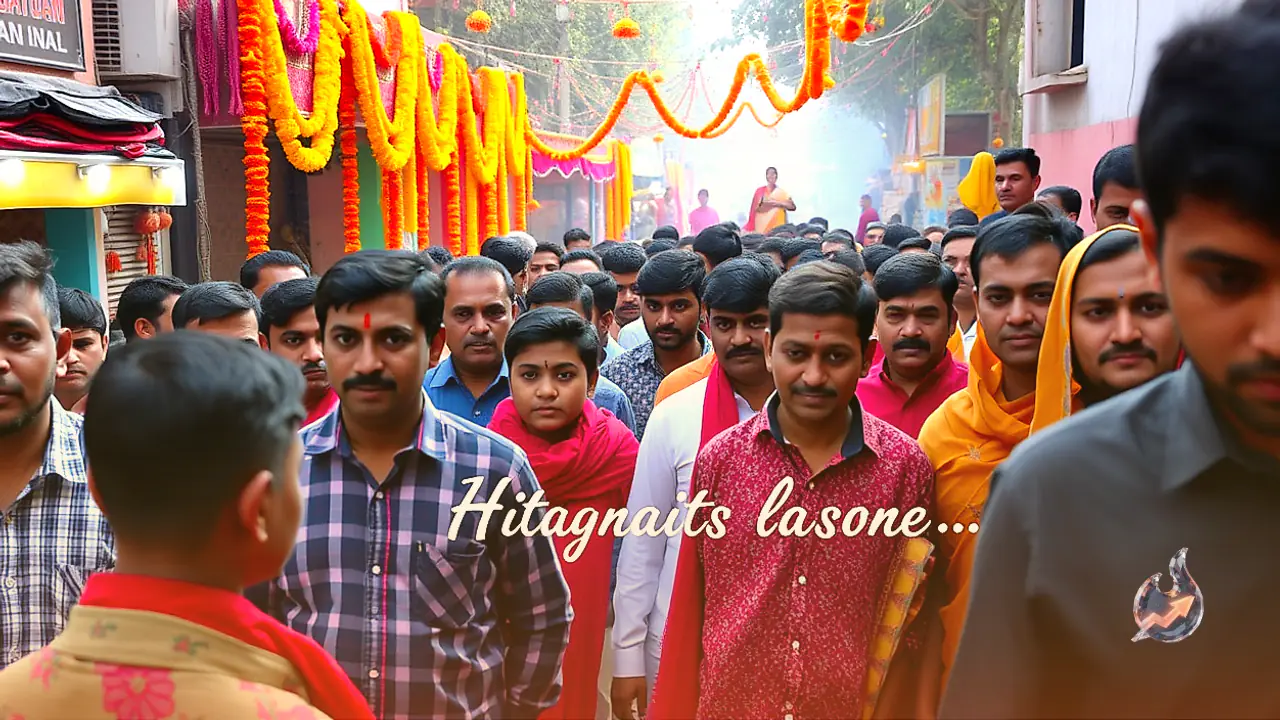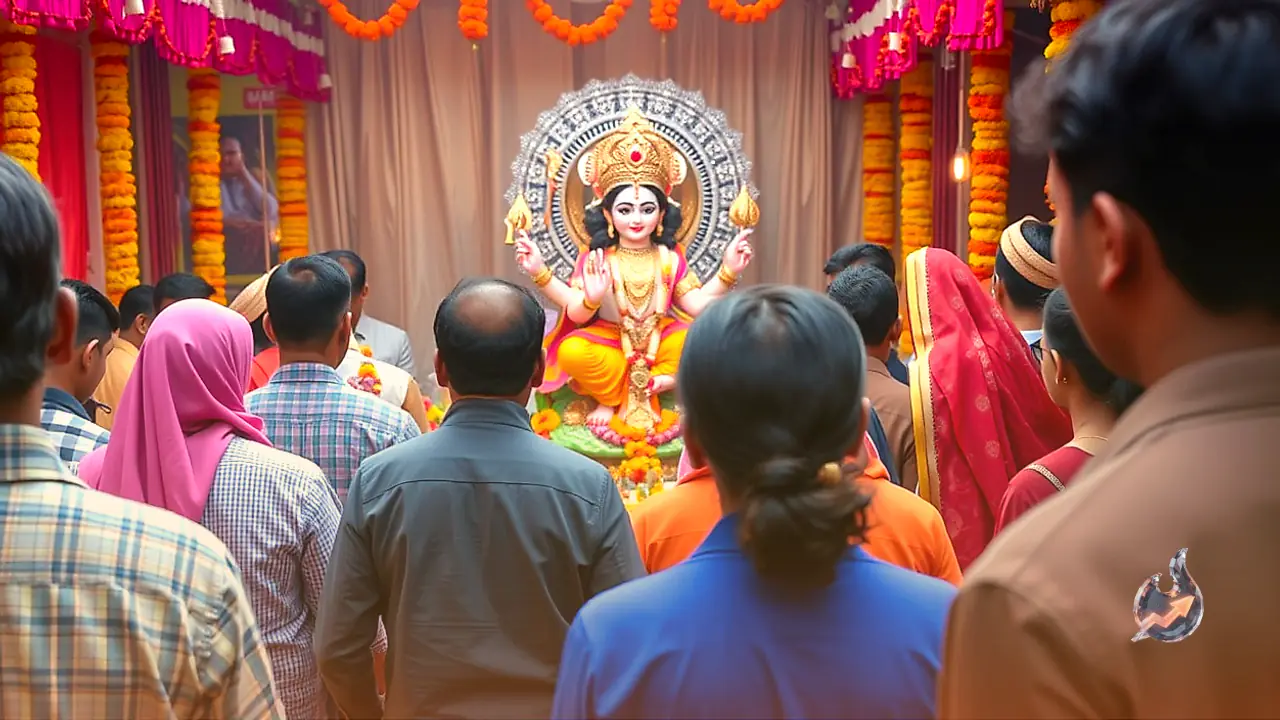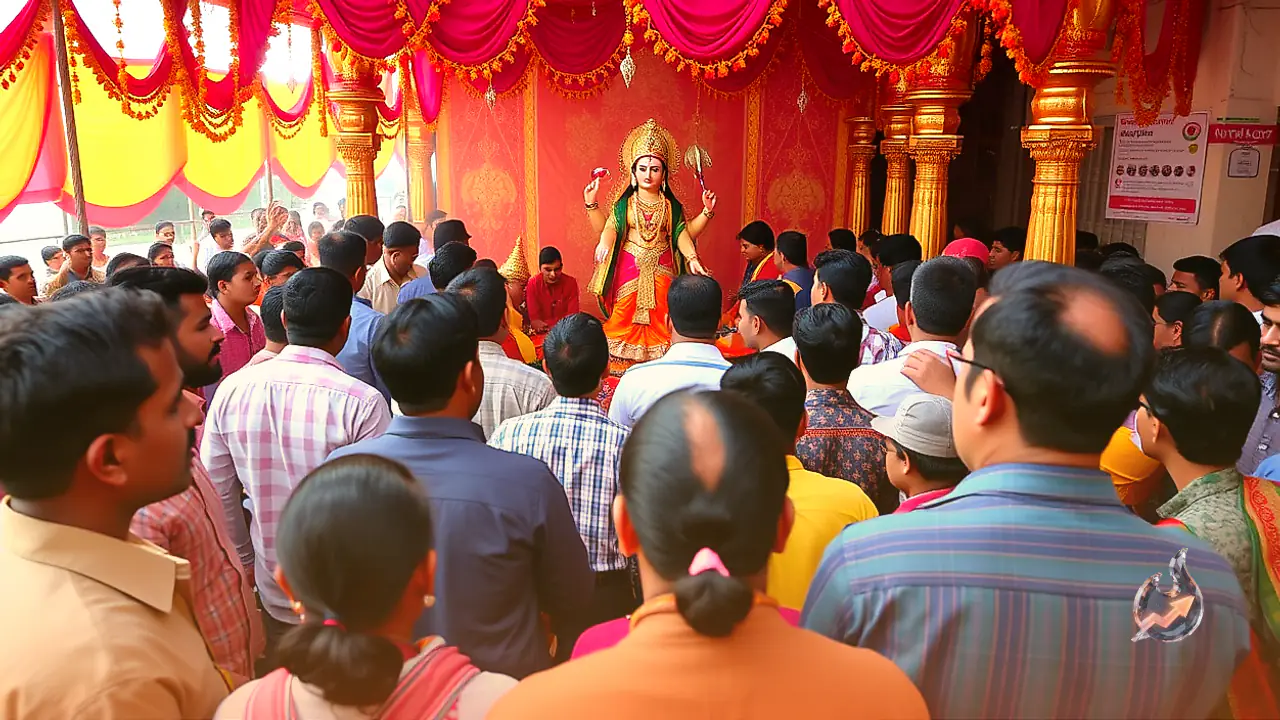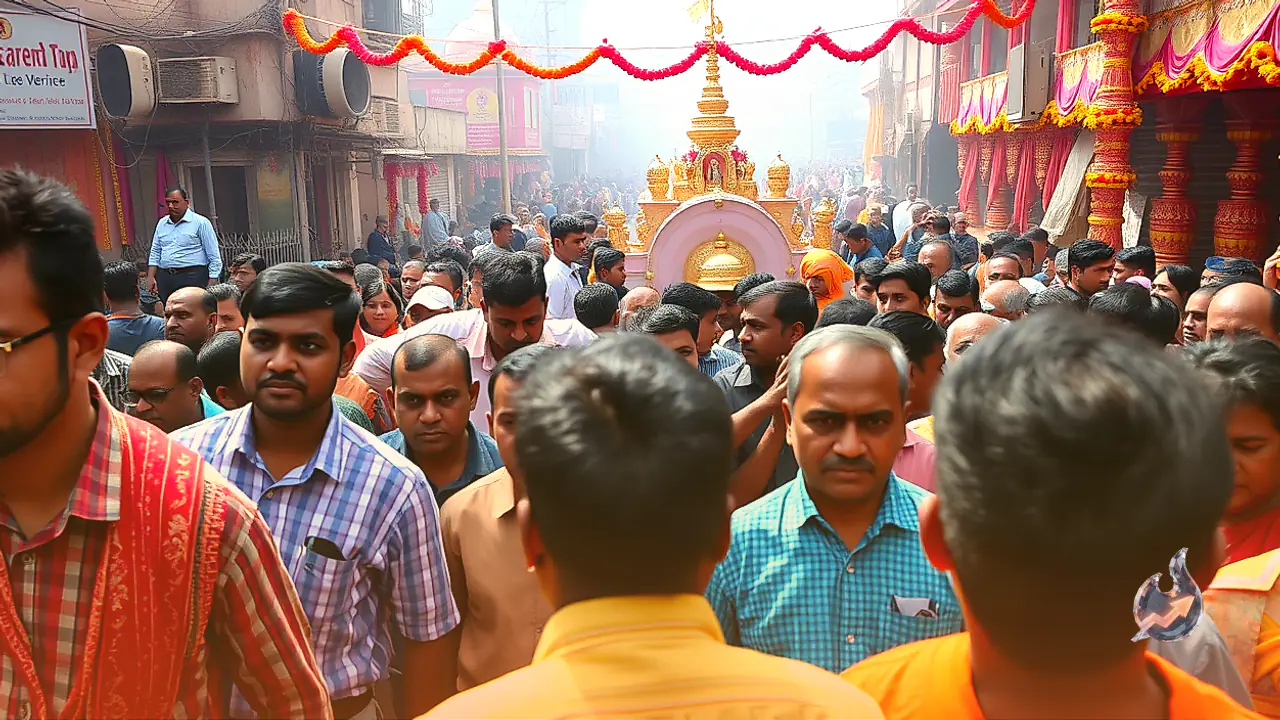


















Celebrated on the Ashtami tithi of Krishna Paksha during the sacred month of Bhadrapada under the Rohini Nakshatra, Krishna Janmashtami 2026 will be observed with grand devotion across India on Friday, September 4. Devotees in homes and temples nationwide are making extensive preparations to mark the birth anniversary of Lord Krishna. According to Hindu belief, observing a dedicated fast, chanting holy mantras, and participating in the midnight birth rituals brings immmeasurable spiritual merit. For those observing the fast this year, following the prescribed religious guidelines from the morning resolution to the midnight prayers and subsequent fast breaking is considered essential for completing the ritual successfully.
Morning Rituals and Solemn Vrat Sankalp
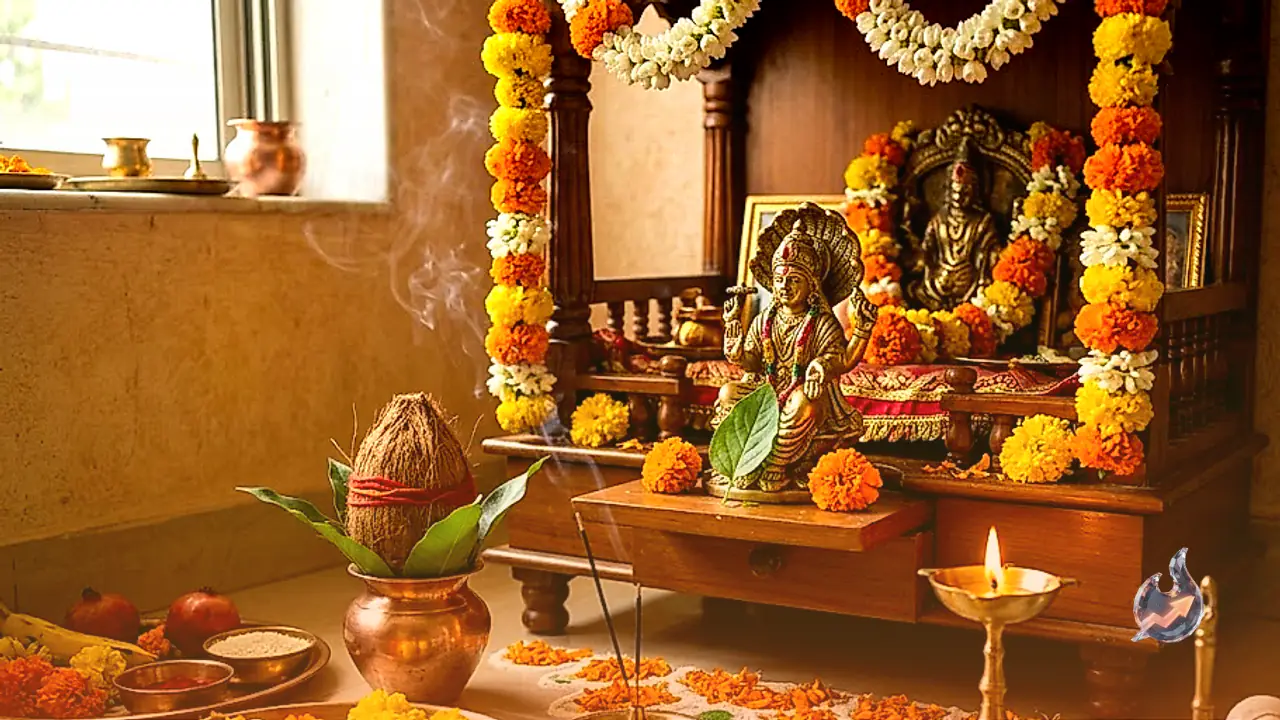
On the morning of Janmashtami, devotees should wake up early during the auspicious Brahma Muhurta, take a purifying bath, and don clean or traditional attire. After cleaning the home altar, spend time in silent meditation focusing on Lord Krishna. The fast formally begins with a solemn vow known as Sankalp, taken by holding water, rice grains, and flowers in hand while praying according to one's personal capacity and faith. Depending on individual health and family traditions, one can choose a complete waterless fast (Nirjala), a liquid-only fast (Jalahar), or a fruit-based diet (Falahar). A ghee lamp should be lit in the home temple, and mantras such as 'Om Namo Bhagavate Vasudevay' should be recited throughout the day. Those experiencing medical conditions or health issues are advised to avoid severe fasting and choose a suitable alternative.
Fasting Options: What to Eat and Avoid
Maintaining purity in diet is a cornerstone of the Janmashtami fast. Observers following the Falahar regime can consume fresh milk, curd, fruits, fox nuts (makhana), sago (sabudana), dried fruits, and dishes prepared using buckwheat flour (kuttu) or water chestnut flour (singhara). Rock salt (sendha namak) is used in place of regular table salt for seasoning. Conversely, standard food items such as wheat, rice, lentils, common grains, and regular kitchen spices are strictly prohibited during the fast. Because dietary customs can vary based on regional and family traditions, devotees should follow the specific dietary practices passed down through their ancestors.
Sacred Offerings: Makhan Mishri and Panchamrit
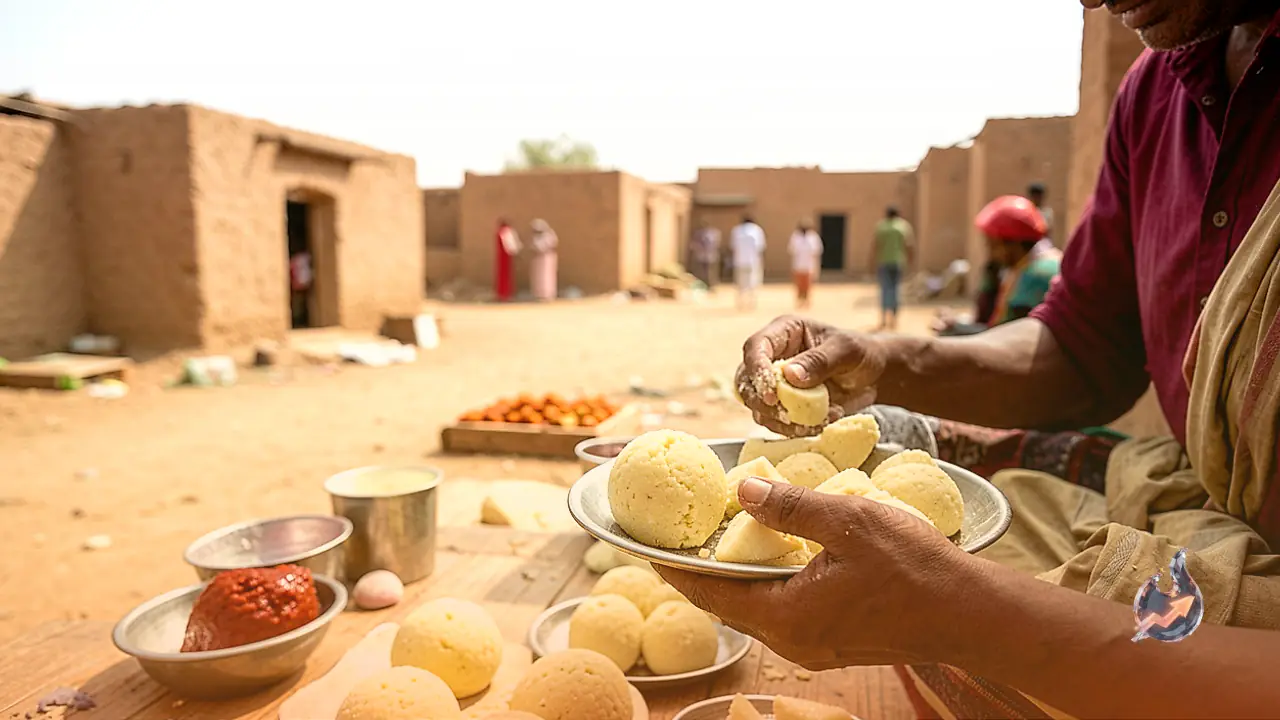
Offering pure bhog to Lord Krishna is an indispensable part of the celebrations, with butter and rock sugar (makhan mishri) taking pride of place as his legendary favorite. In addition to makhan mishri, devotees prepare offerings of milk, curd, fresh sweets, fruits, panchamrit, traditional wheat panjiri, and coriander panjiri. Placing fresh Tulsi leaves in every offered food item is a mandatory custom, as ritual traditions hold that the deity does not accept offerings without sacred basil. All food items meant for the deity must be prepared in a completely hygienic, sattvic, and spiritually pure environment.
Midnight Worship and Ritual Abhishek of Laddu Gopal
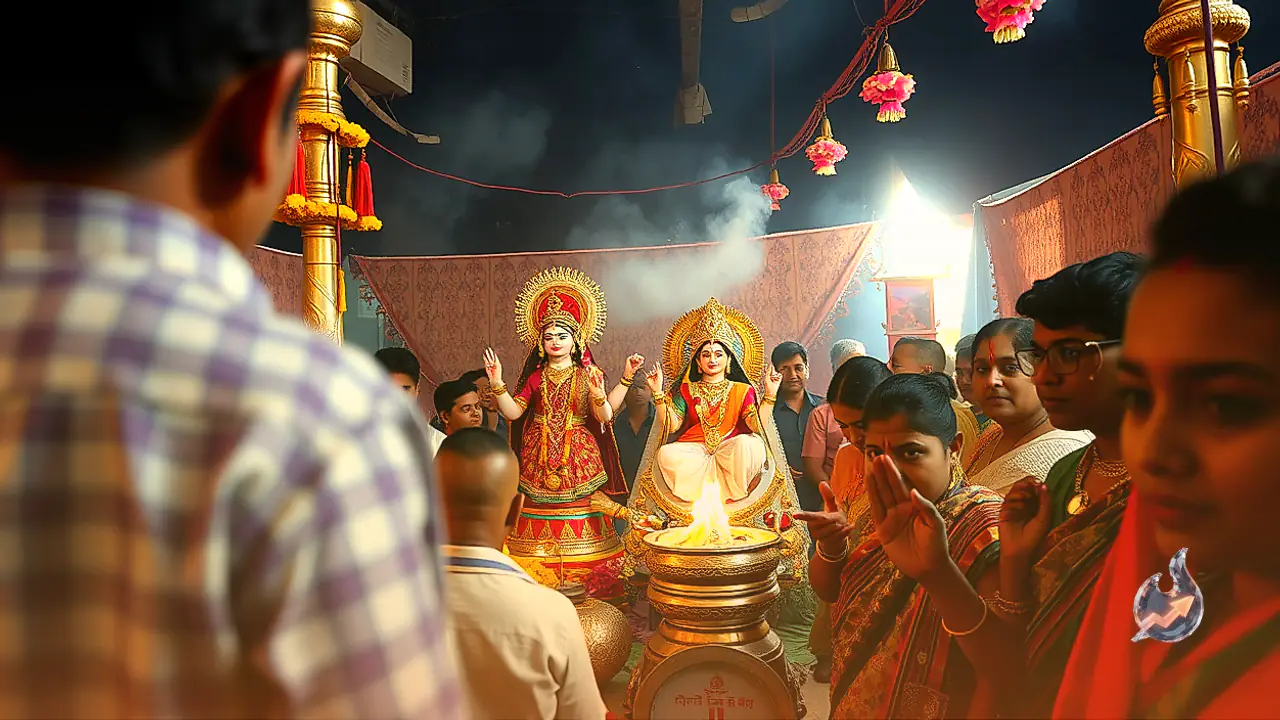
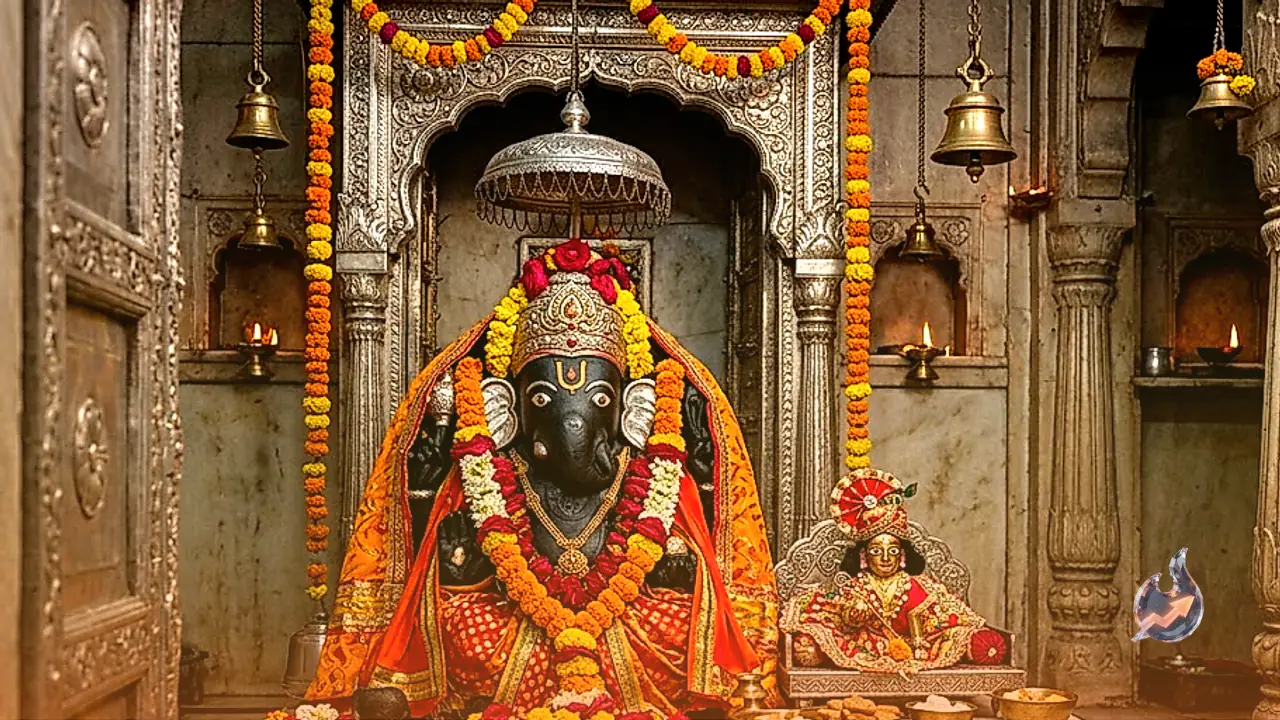
Scriptures state that Lord Krishna was born precisely at midnight, making the late-night puja the most important spiritual highlight of Janmashtami. To begin the midnight service, place the deity idol of Bal Gopal or Laddu Gopal on a clean, decorated platform or ornate swing. Perform a ritual bath (abhishek) using Ganga water and Panchamrit, which consists of milk, curd, ghee, honey, and sugar. Following the holy bath, dress the deity in vibrant new garments and adorn him with a crown, peacock feather, garlands, and fine jewelry. Apply sandalwood paste, offer unbroken rice grains, fresh flowers, and tulsi leaves before placing the makhan mishri and other sacred foods. Conclude the worship by lighting incense and ghee lamps, performing the ceremonial Aarti, and reading the Janmashtami Vrat Katha or sacred Krishna hymns.
Rules for Fast Breaking (Paran)
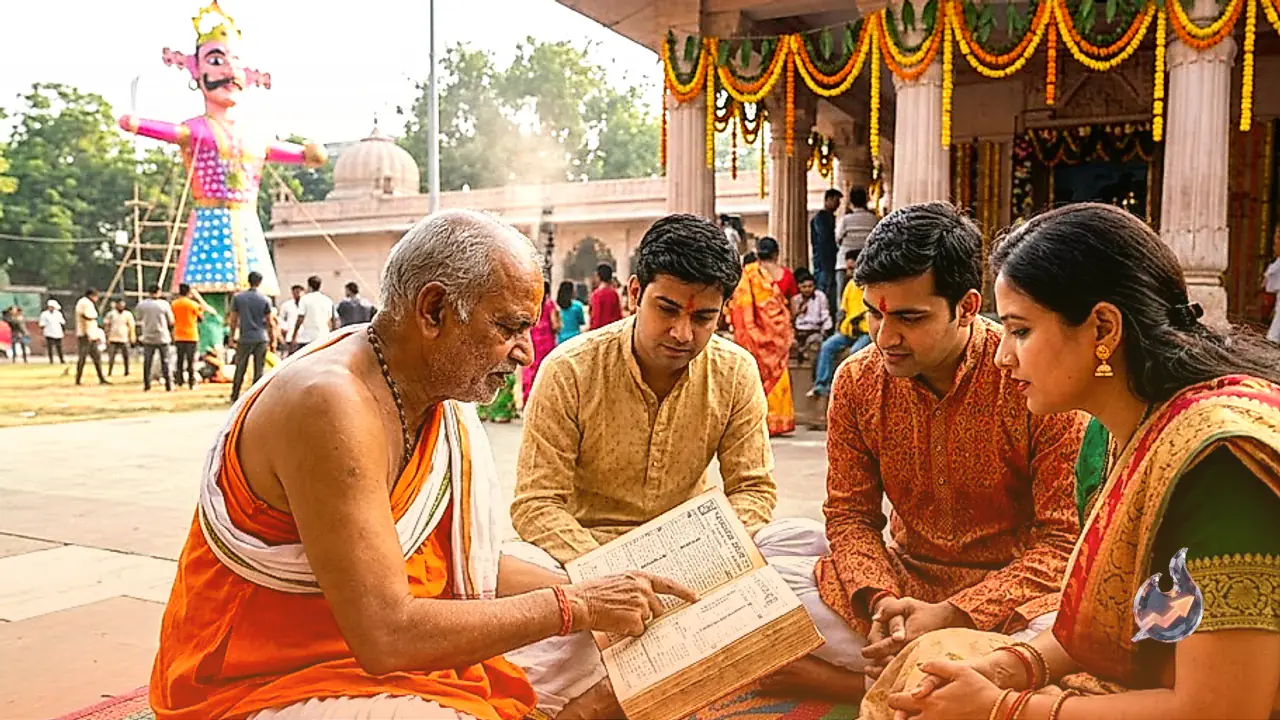
The fast is formally concluded through the act of Paran after completing the midnight worship and Aarti. Traditions regarding the exact timing of Paran differ across regions and communities. In some customs, devotees break their fast immediately after the midnight prayers by partaking in the consecrated Prasad. In other traditions, the fast is maintained until the following day after sunrise or after the Ashtami tithi ends. Observers should adhere to their local Panchang and family customs to determine the appropriate moment for breaking the fast to ensure the full spiritual benefit of their vow.