






















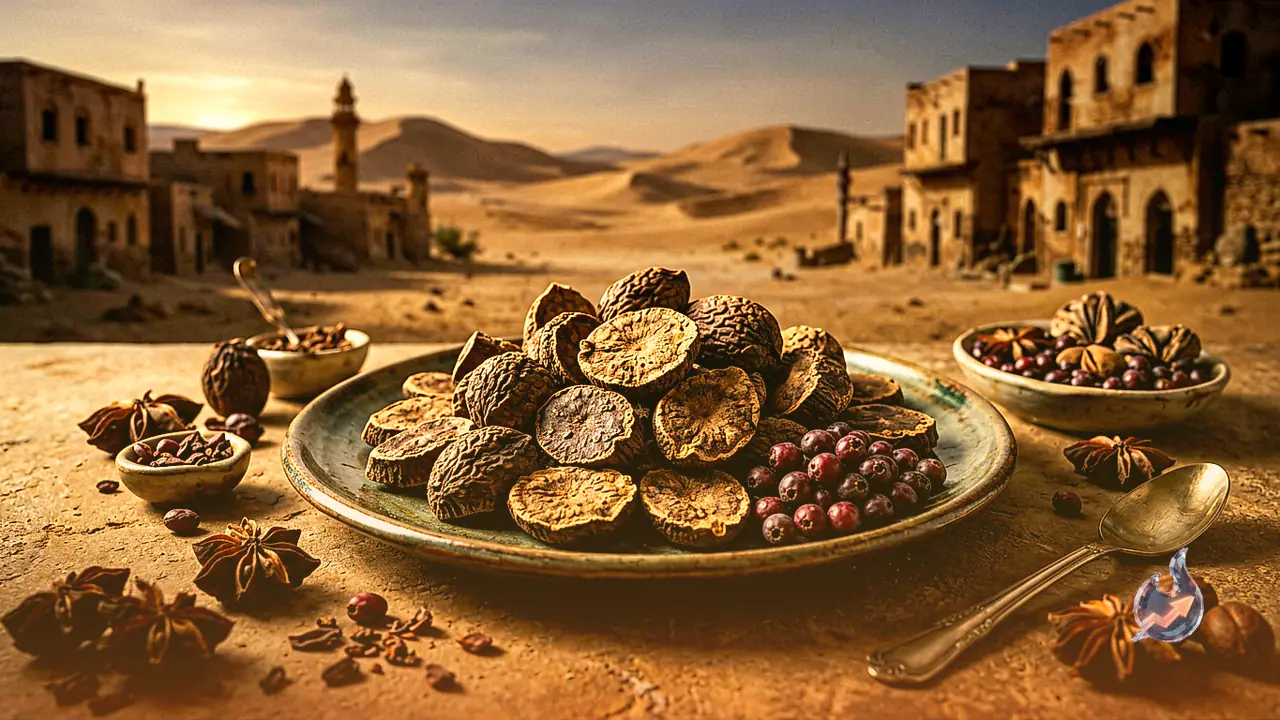

When most people think of Rajasthani cuisine, iconic dishes like Dal Baati Churma, rich gravies, and elaborate sweets immediately come to mind. However, the culinary heritage of India's desert state is far more nuanced and deeply connected to its unique geography. In traditional rural kitchens across the region, local cooks have long prepared dry vegetable dishes that might look unusual to an outsider at first glance, but deliver an extraordinary explosion of flavor. Among these, Ker Sangri stands as perhaps the most famous and culturally significant desert delicacy. Its dark, dried appearance belies a tangy, aromatic feast that reflects centuries of adaptation to arid survival.
Arid Climate and the Ancient Tradition of Sun Drying
In the dry regions of western Rajasthan, severe water scarcity historically made it almost impossible to cultivate fresh green vegetables throughout the year. Long before modern refrigeration, supply chains, or greenhouse farming existed, desert communities had to devise practical methods to ensure a steady food supply. They turned to wild desert flora, harvesting native berries and tree pods during peak growing periods and sun-drying them for long-term storage. Once thoroughly dried, these ingredients could be kept in air-tight containers for months or even years without spoiling. Ker Sangri was born out of this brilliant preservation technique, transforming seasonal desert foraging into a reliable dietary staple during times of drought.
What Are Ker and Sangri? Understanding the Ingredients
Ker Sangri is a harmonious combination of two distinct plant materials indigenous to the Thar region. Sangri refers to the long, slender pods harvested from the Khejri tree (Prosopis cineraria), a resilient species deeply revered in local culture for its ability to thrive in extreme heat with minimal moisture. Ker, on the other hand, is a small, round wild berry that grows on thorny desert shrubs. In their raw, fresh state, both ker berries and sangri pods possess an astringent, intensely bitter taste. However, the traditional process of drying and subsequent soaking neutralizes this bitterness, leaving behind a unique earthy base. To someone seeing them for the first time in an urban market, the dried ingredients look like small dried sticks and dried berries, but proper cooking transforms them completely.
Traditional Preparation Method and Key Spices
Preparing Ker Sangri requires patience and traditional culinary knowledge. The initial phase involves thoroughly washing the dried ker and sangri multiple times in water to remove lingering desert sand and dust particles. The ingredients are then soaked in water or sour buttermilk overnight, or for at least five to six hours, allowing them to rehydrate and soften. Once soaked, they are boiled in freshwater until tender and drained.
The cooking process begins by heating mustard oil or clarified butter (ghee) in a heavy-bottomed pan. Cumin seeds are added to temper the oil, followed by the boiled ker and sangri. The dish is spiced with standard Indian pantry staples including red chili powder, turmeric, coriander powder, and a generous amount of dry mango powder (amchur). The amchur provides the essential tangy kick that defines the dish's flavor profile. In many traditional households, thick whisked curd or a spiced gravy base is incorporated to add richness and depth. As the mixture simmers gently, the spices infuse deeply into the rehydrated pods and berries, filling the kitchen with an inviting aroma.
Flavor Profile and Traditional Pairings
The flavor and texture of Ker Sangri set it apart from everyday Indian vegetable dishes made with potatoes, okra, or bottle gourd. It presents a robust balance of mild sourness, warm spice, and a satisfyingly chewy bite. Traditionally, Ker Sangri is enjoyed alongside pearl millet flatbreads (bajra roti), whole wheat rotis, or flaky parathas brushed with fresh ghee. It is frequently accompanied by garlic chutney and a bowl of fresh yogurt or spiced buttermilk. Because the cooked dish contains minimal moisture and high spice content, it stays fresh for several days without spoiling, making it a classic travel meal for long journeys across the region.
From Desert Necessity to Fine Dining Delicacy
The evolution of Ker Sangri is a testament to human ingenuity in adapting to harsh natural environments. What originated as a necessity born of drought and geographical isolation has now achieved legendary status in Indian gastronomy. Today, Ker Sangri is featured prominently on the menus of luxury heritage hotels, royal banquets, and high-end Indian restaurants across the globe. While its rustic texture may seem surprising to first-time diners, a single taste of this meticulously spiced desert specialty reveals why it remains one of Rajasthan's most cherished culinary treasures.