



















When monsoon rains bring cool breezes, pairing a piping hot cup of tea with crunchy and aromatic fritters makes for an unbeatable snack experience. Across regions such as Jamshedpur and surrounding areas, Chana Dal Pakodas are a quintessential rainy season delicacy. However, home cooks often face the common challenge of fritters turning either too hard or soggy from absorbing excess oil. By adhering to a few fundamental techniques and culinary adjustments, anyone can master perfect dhaba style crispy bengal gram fritters right at home.
The Ideal Soaking and Grinding Technique
The foundation of achieving superior texture lies in selecting quality split bengal gram and managing its hydration duration accurately. Begin by washing the Chana Dal thoroughly under clean running water to remove excess starch. The most crucial constraint is to soak the lentils for no longer than 2 to 3 hours. Extended soaking during humid weather causes the lentils to absorb excessive moisture, making them overly soft. Overly soft lentils yield a paste that lacks structural integrity, leading to limp and greasy fritters. After 2 to 3 hours, drain the water completely using a strainer.
Transfer the drained lentils into a food processor or mixer jar. Grind the mixture coarsely rather than transforming it into a fine smooth paste. Coarse grinding is the secret behind that signature crunchy bite on the outside while maintaining a tender interior. Avoid adding water while grinding, or limit it to just a single spoonful if strictly necessary. The presence of tiny broken lentil bits in the batter provides the required body and texture that crisp up beautifully during deep frying. Transfer the ground lentil mix into a large wide bowl for seasoning.
Flavoring Spices and the Rice Flour Secret
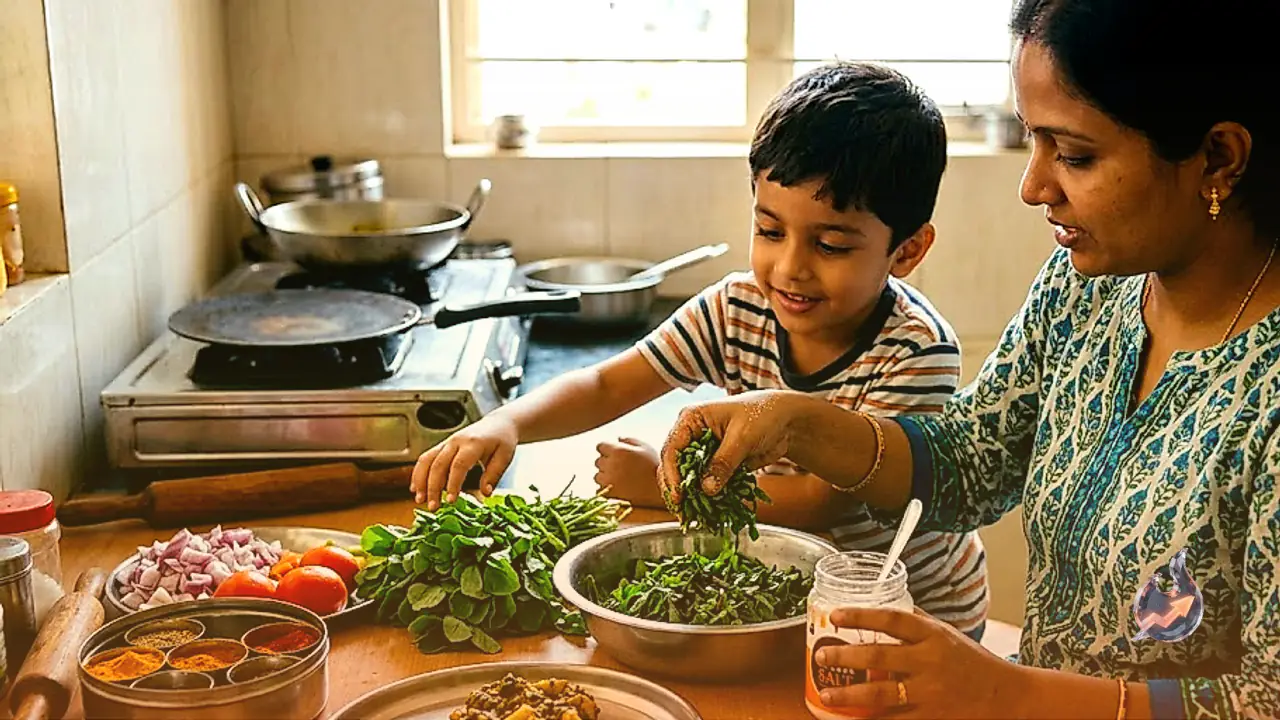
To the coarsely ground lentil base, incorporate finely chopped onions, minced green chillies, freshly grated ginger, and chopped coriander leaves. Season the mixture with salt to taste, red chilli powder, turmeric powder, cumin seeds, and a generous pinch of asafoetida. Asafoetida not only enhances the overall savory aroma but also aids digestion, making dense lentils lighter on the stomach.
To elevate the crunch factor to restaurant standards, mix in two to three tablespoons of rice flour into the batter. Rice flour acts as an effective moisture binder, absorbing lingering surface wetness and creating an outer crispy shell when fried. Combine all ingredients thoroughly using your hand. The final batter consistency should neither be too runny nor excessively dry; it must hold together easily when shaped into small portions. Let the prepared mixture rest for a few minutes so the spices infuse evenly into the lentil base.
Frying Temperatures and Oil Management
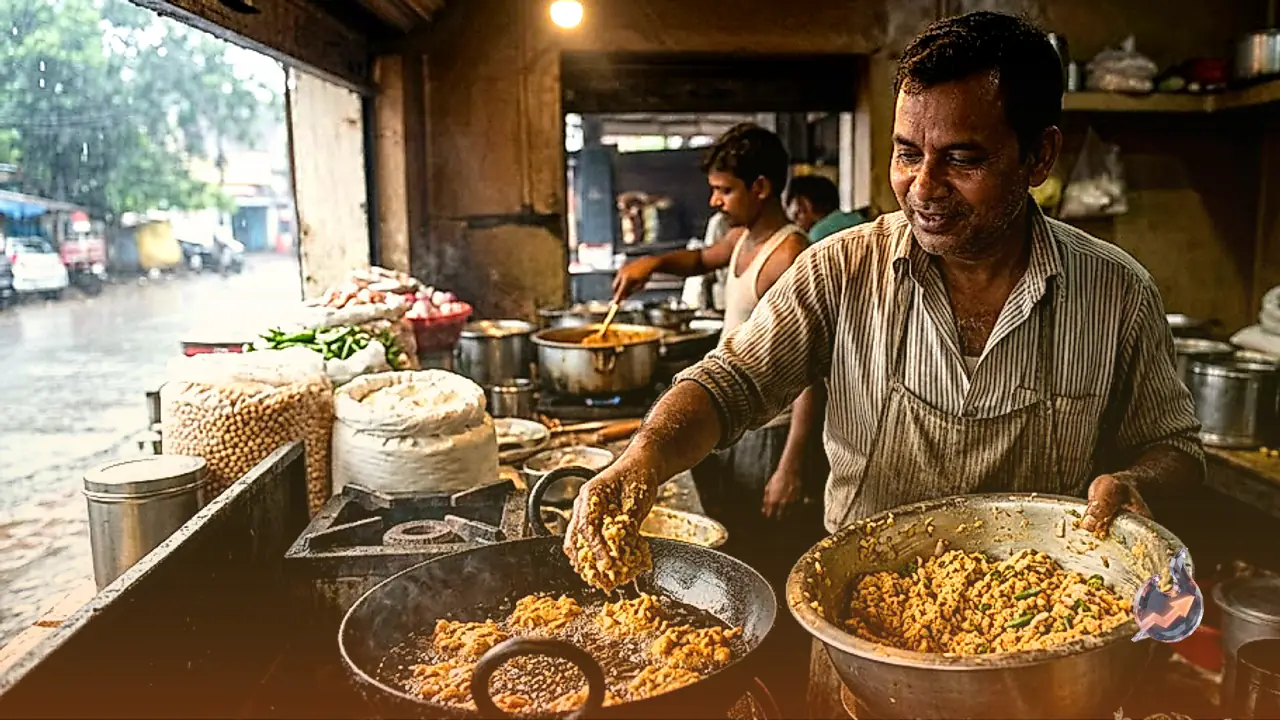
Frying requires careful attention to heat regulation. Fill a deep pan or kadhai with sufficient cooking oil and heat it over medium flame. Maintaining moderate oil temperature is essential. If the oil is excessively hot, the exterior of the fritters will brown prematurely or scorch while the interior remains raw and doughy. Conversely, if the oil is insufficiently heated, the fritters will soak up large amounts of oil, resulting in a heavy and greasy snack.
Once the oil reaches medium heat, drop small portions of the lentil mixture into the pan. Avoid overcrowding the frying pan, as adding too many pieces simultaneously drops the oil temperature rapidly and causes fritters to stick together. Fry on medium heat, turning them periodically with a slotted spoon to ensure uniform browning. Once the fritters achieve a rich golden hue and a firm crispy exterior, gently lift them out of the oil.
Drainage Techniques and Serving Suggestions
Transfer the freshly fried fritters directly onto a plate lined with paper towels or absorbent tissue. This step removes excess surface oil, keeping the pakodas crisp and light. Repeat the process with the remaining batter to prepare fresh batches.
Serve these piping hot Chana Dal Pakodas alongside fresh coriander mint chutney, sweet tamarind chutney, or spicy tomato sauce, complemented by hot chai. By keeping the soaking time capped at 3 hours and grinding the lentils coarsely, you ensure ideal crunch and flavor in every batch.