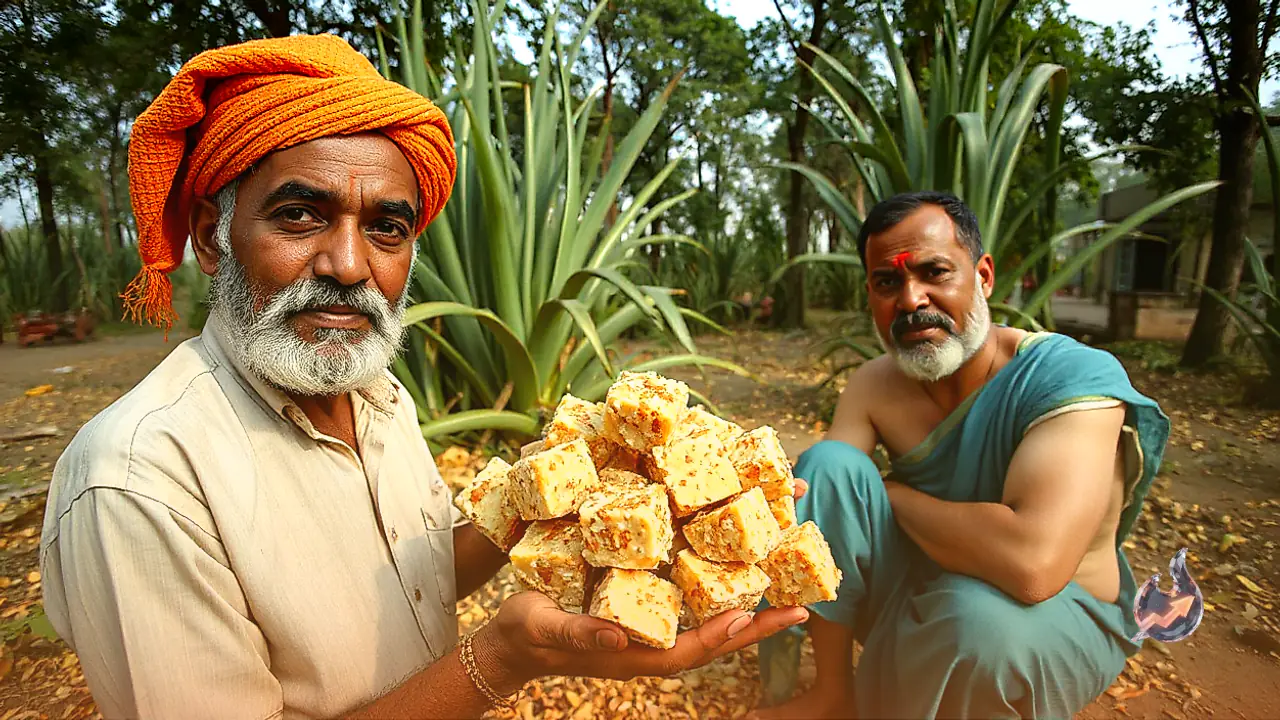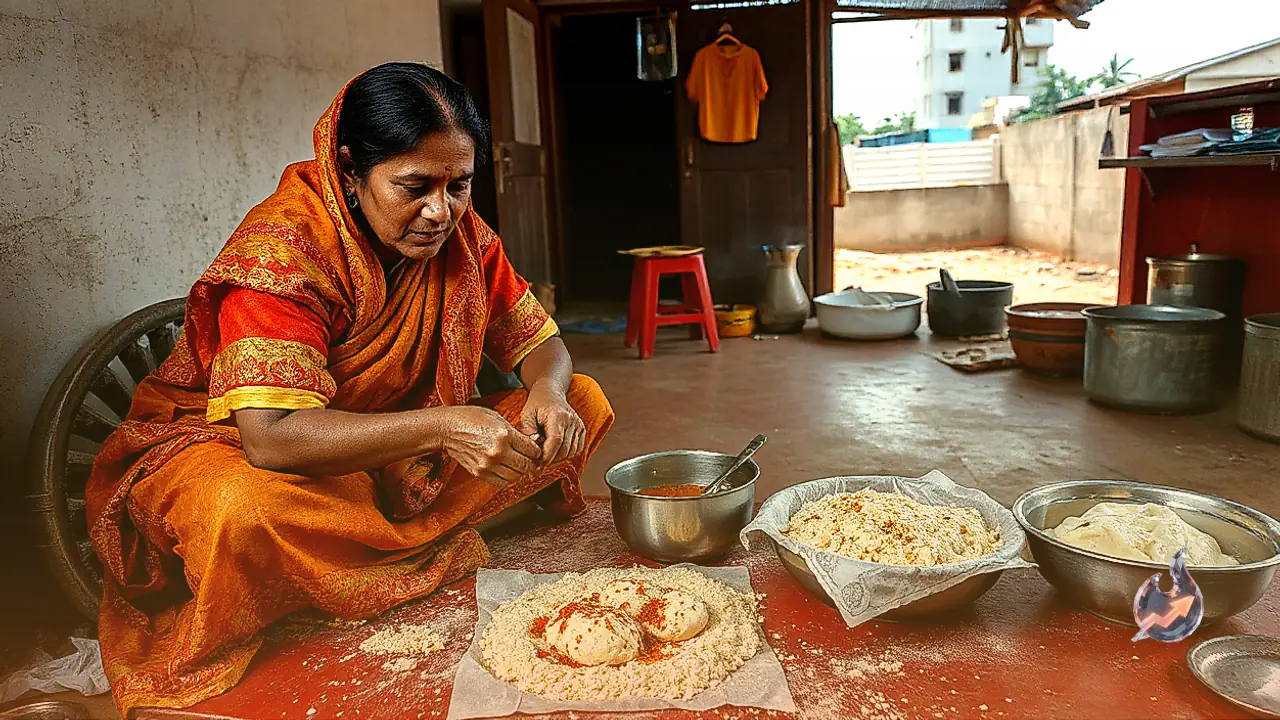


















The festival of Diwali in the Nimar region of Madhya Pradesh remains incomplete without the preparation of traditional culinary delights. During this festive season, local households whip up a wide variety of snacks, among which wheat flour shakarpare hold a special place. This tradition of preparing shakarpare in Nimar has been handed down through generations. Women eagerly take up the task of making them during the festivities, and their delicious flavor appeals to everyone from young children to the elderly.
Simple ingredients and budget-friendly preparation
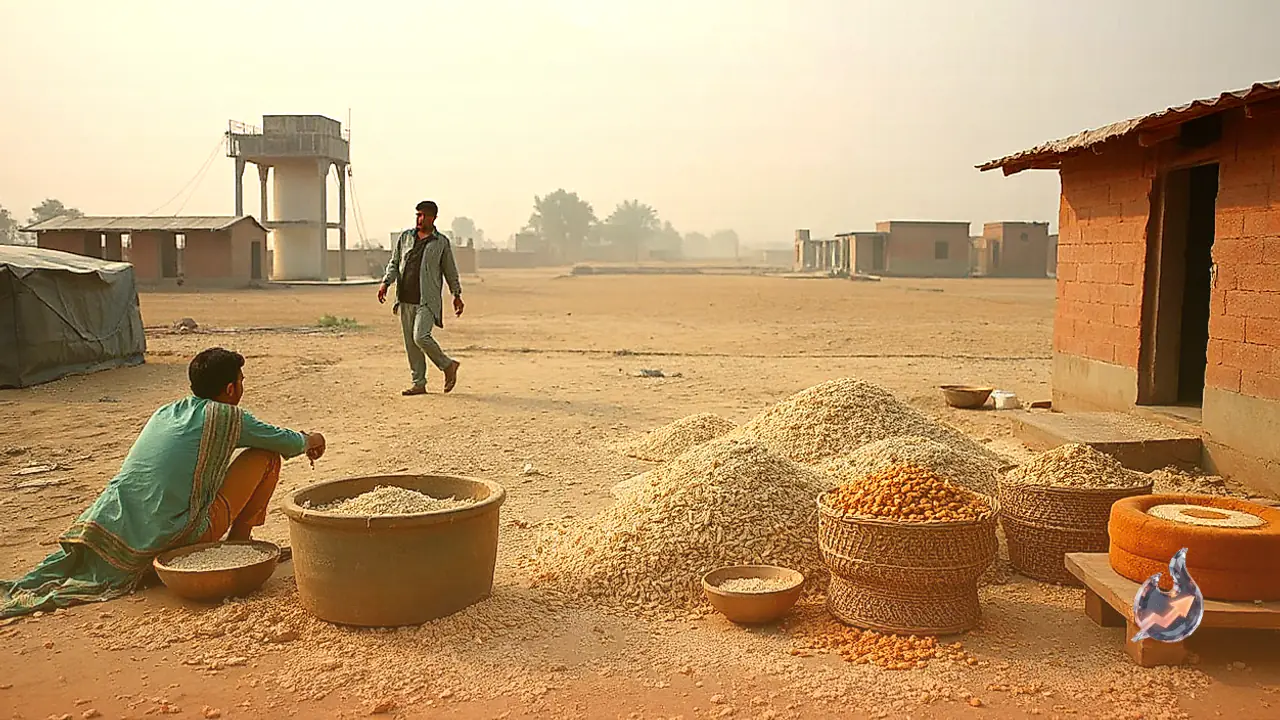
A major highlight of this traditional snack is that it does not require an elaborate shopping list. According to local accounts, these wheat flour shakarpare can be easily crafted at home with minimal expenses and basic kitchen items. The recipe calls for wheat flour, cumin seeds, salt, and cooking oil. The process begins by taking wheat flour in a mixing bowl. Cumin seeds and a measured amount of salt are added according to taste. A small quantity of oil is then poured in, and all the dry components are mixed thoroughly before kneading the dough with water.
Rolling, cutting, and frying the dough
Once the dough is fully prepared, small portions are rolled out flat similar to a flatbread. Using a knife or another kitchen tool, the rolled dough is then sliced into small squares or preferred geometric shapes. Oil is heated in a frying pan, and these cut pieces are fried over a low flame until they achieve a golden brown and crispy texture. After cooling down completely, the shakarpare are ready to be served and consumed.
Hospitality and long-term storage benefits
When guests visit homes during Diwali, these crunchy snacks are served alongside tea and other festive foods. Because they maintain their crispiness over extended periods, they can be easily stored inside airtight containers for weeks. Even though modern markets offer a vast assortment of commercial sweets and snacks, the traditional wheat flour shakarpare of Nimar retain a distinct identity and special appeal among people. This enduring charm explains why this classic recipe continues to hold a permanent place in local kitchens every Diwali.