


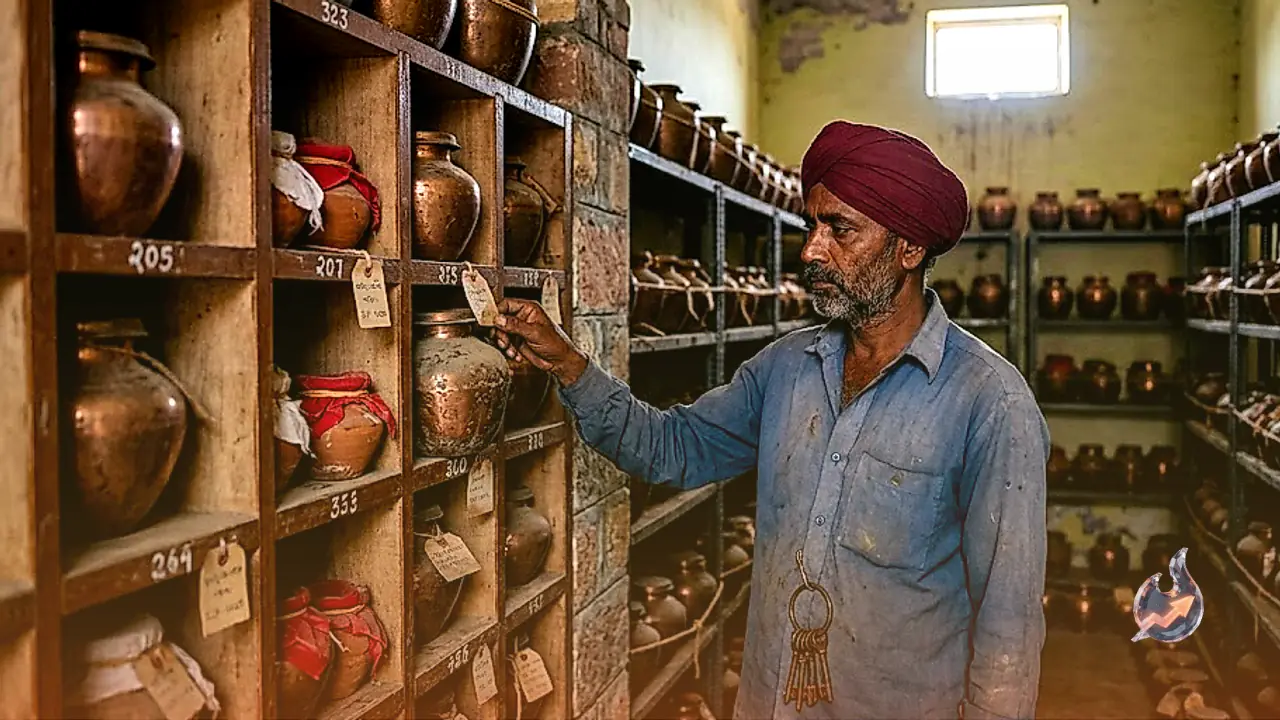














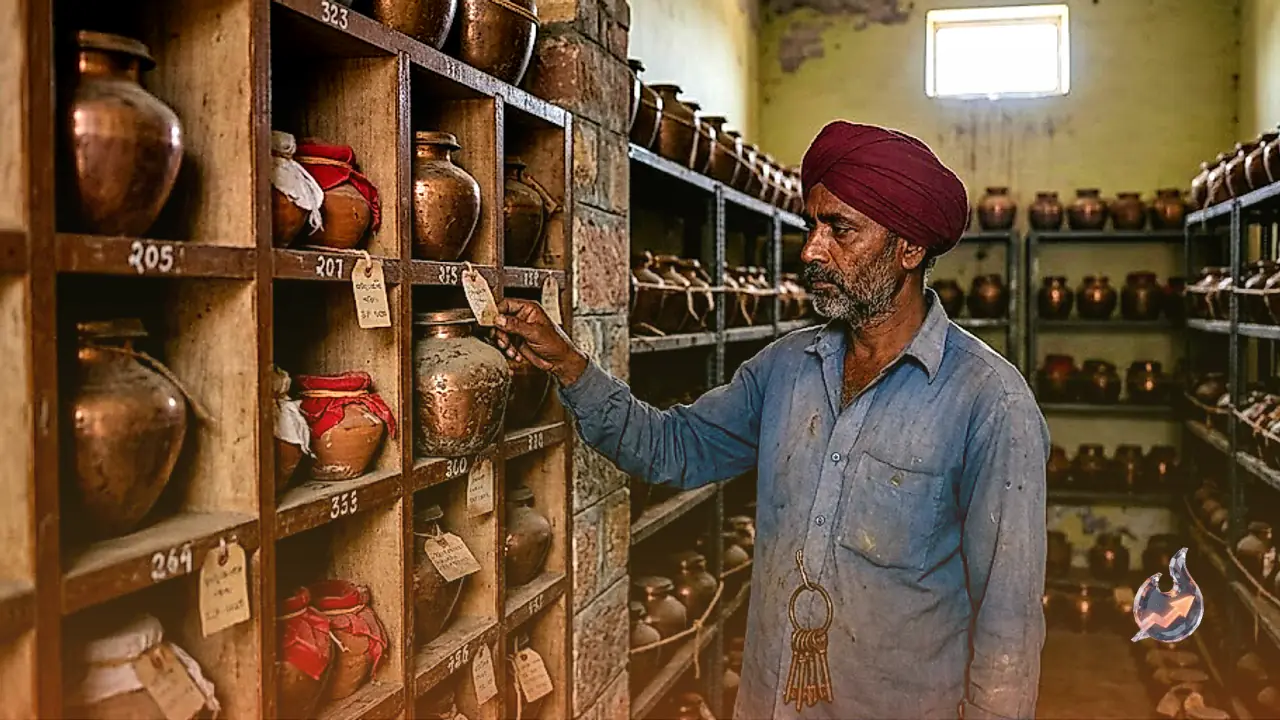

At a time when families across the country observe Shraddh Paksha to perform tarpana and sacred rituals for their departed ancestors, a somber scene unfolds inside the public crematorium of Barmer city. More than 125 sets of mortal remains remain confined within facility lockers, waiting indefinitely for family members who may never arrive. In traditional belief, these urns are meant to be gathered by relatives and immersed in the holy river at Haridwar to ensure salvation for the departed souls, yet decades of waiting have left many final journeys incomplete.
Years of Abandonment Behind Cobwebs and Rusted Locks
A look at the metal locker compartments in the crematorium reveals how long these remains have sat untouched. Thick layers of dust and dense cobwebs blanket the surfaces and padlocks, standing as physical proof that relatives have not visited the grounds for years to retrieve their loved ones' ashes. Whether prevented by severe personal constraints, geographical distance, or plain neglect, families have left this concluding funerary rite unfinished for nearly 10 years. Among the uncollected urns are the ashes of individuals who lost their lives during the coronavirus pandemic. The locked doors maintain a silent, unattended vigil, holding out hope that a relative will eventually unlock the compartments and carry the ashes onward.
Community Collective Steps in as Storage Space Runs Out
As abandoned urns accumulated year after year, locker capacity at the Barmer crematorium began running dangerously low, creating a serious storage shortage for newly cremated persons. Confronted with this crisis, management partnered with Helping Help Group Bikaner to step forward and shoulder the responsibility. In the year 2025, the collective transported 25 sets of ashes to Haridwar, where they conducted immersion rituals in strict accordance with customary traditions. This effort followed an earlier initiative undertaken during the height of the coronavirus period, when approximately 75 sets of remains were similarly taken to the sacred waters for immersion. This civic intervention aims to honor the religious traditions and last wishes of deceased individuals whose own families were unable to travel to Haridwar.
Spiritual Weight Deepens During the Ancestral Fortnight
Bhairusingh Phulwariya, the coordinator of the crematorium management committee, emphasized that the significance of this abandonment becomes particularly poignant during the ongoing Shraddh period. Within cultural customs, remembering forebears and performing ceremonial offerings during this fortnight carries paramount religious value. For the numerous remains preserved in cold storage for years, this ancestral window heightens the unfulfilled yearning for that concluding ritual, awaiting a loving hand that would finally release them into the sacred currents of Haridwar.