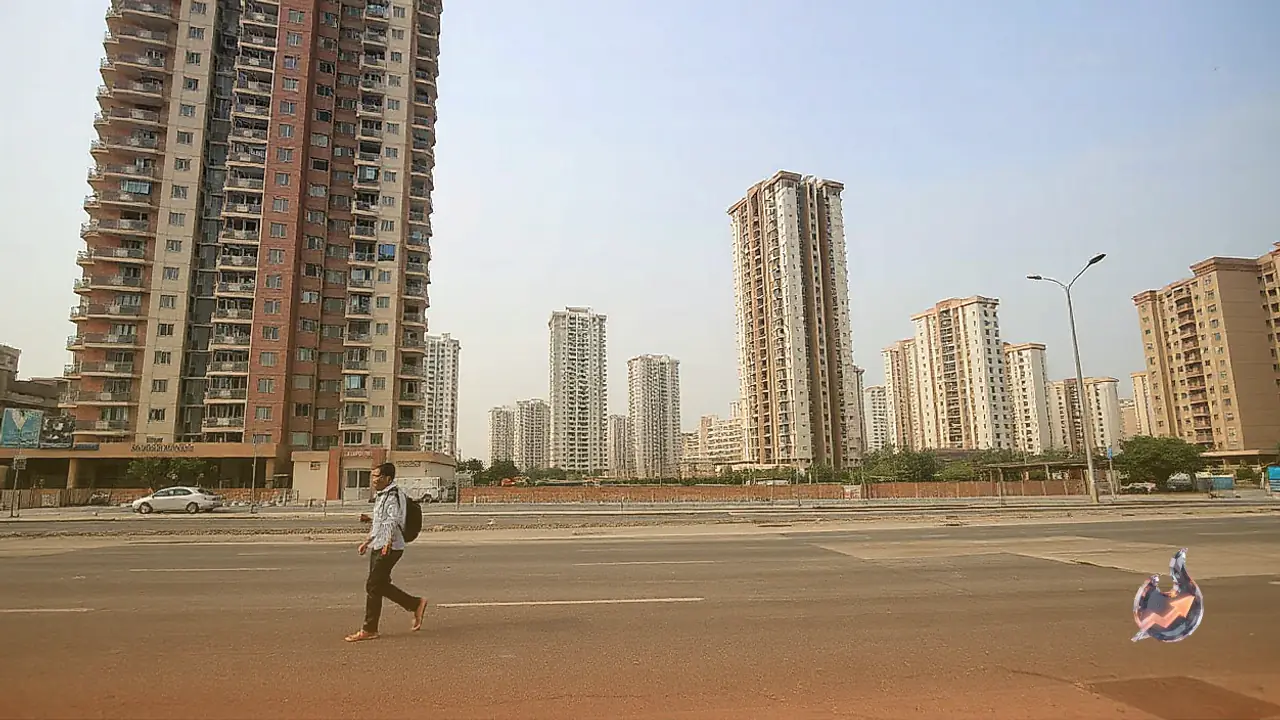

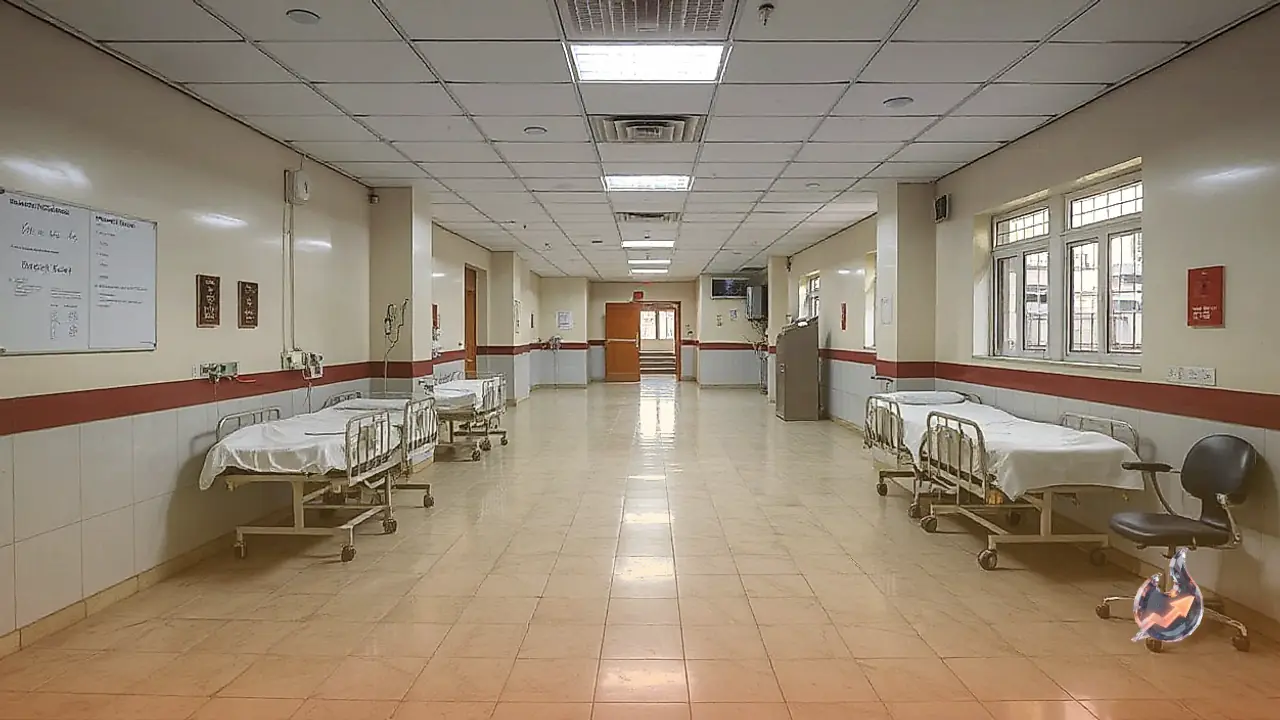















Spiraling pollution levels across the National Capital Region have prompted administrative authorities to introduce stringent measures aimed at curbing toxic air. In response to deteriorating air quality markers, binding directives have been rolled out in Gurugram and Faridabad to sharply reduce ambient dust and vehicular emissions. Under these protocols, physical attendance in both public and private sector offices will be capped at half strength, alongside an immediate freeze on diverse infrastructure operations. Gurugram Municipal Corporation Commissioner Pradeep Dahiya has instructed workplaces to prepare duty rosters before November 5 to ensure smooth operations while halving commuter traffic on roads.
CAQM Review Sets Compliance Mandates
To spearhead air quality restoration, Commission for Air Quality Management (CAQM) Chairperson Rajesh Verma led a comprehensive video conference with Deputy Commissioners from all NCR districts. The high-level dialogue focused on executing two crucial statutory orders issued on October 30. Presiding over the session from the camp office, Deputy Commissioner Ayush Sinha outlined local readiness to enforce the mandates. The urgency of these steps was underscored by local environmental data, with Gurugram recording an Air Quality Index reading of 246 on Tuesday.
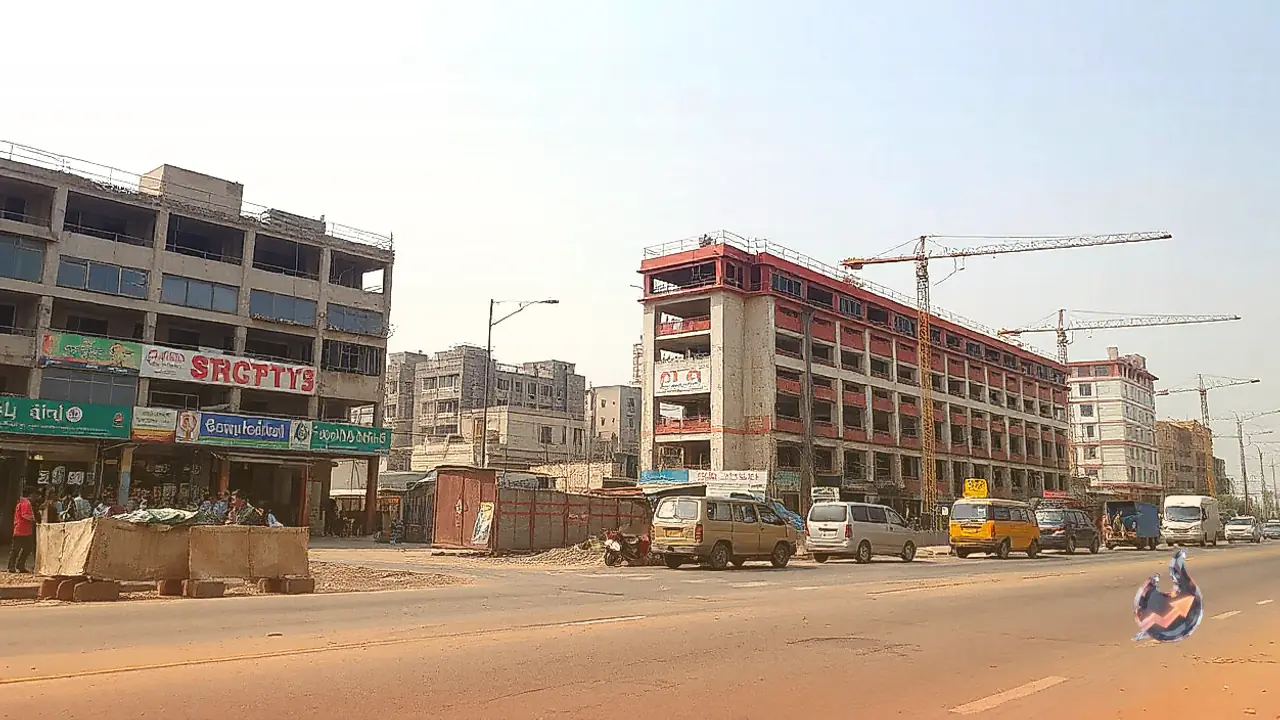
Total Suspension of Construction and Demolition Activities
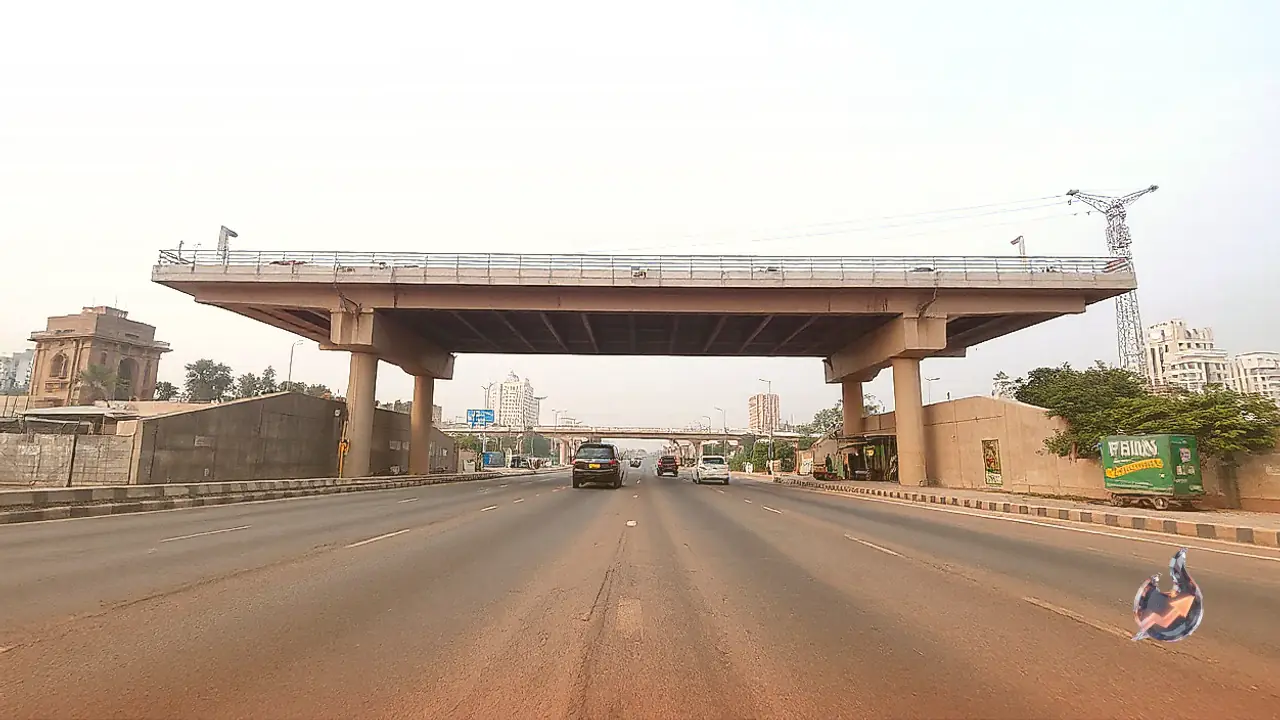
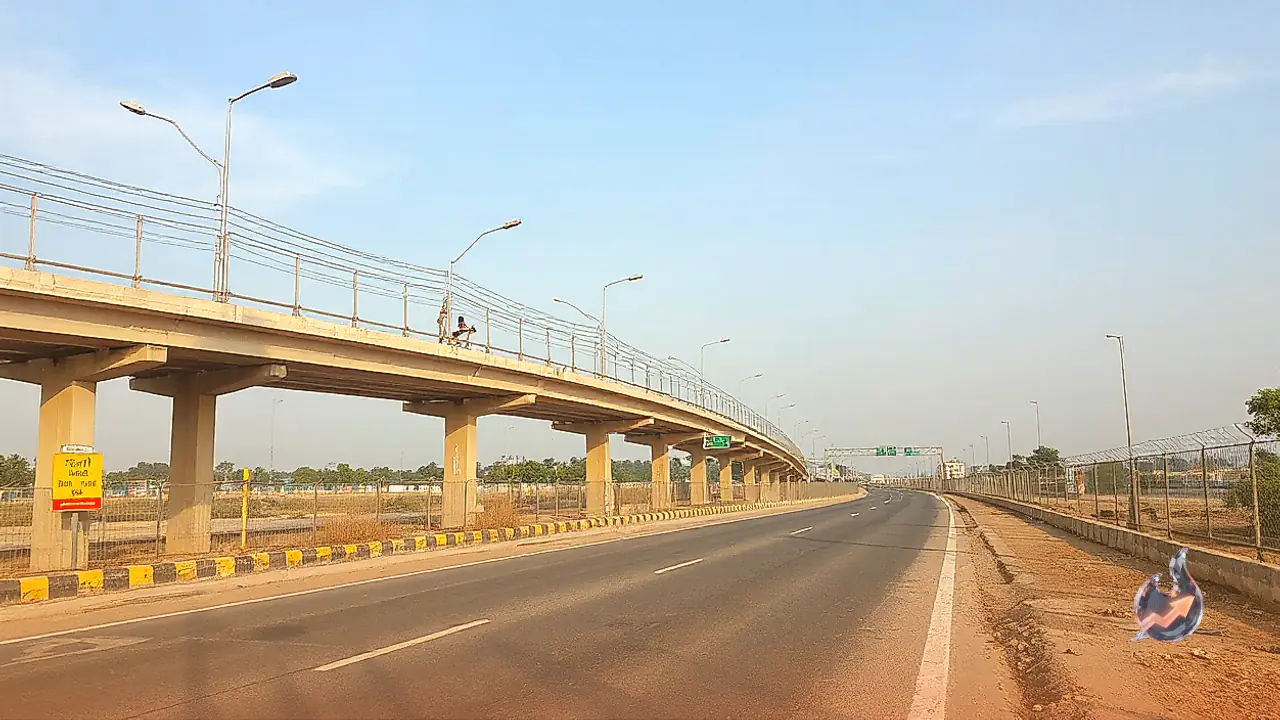
To control dust particles that severely degrade regional air, a blanket prohibition has been imposed on all forms of outdoor construction and demolition work across the NCR from November 5 to November 20. The restriction applies uniformly across the board, covering both governmental undertakings and private developer sites. Road laying, building erection, civic infrastructure upgrades, and related structural projects fall squarely within the ban. All execution agencies and regulatory bodies have received clear directives to suspend active work across sites during this fifteen-day window.
Specified Exemptions for Critical Infrastructure
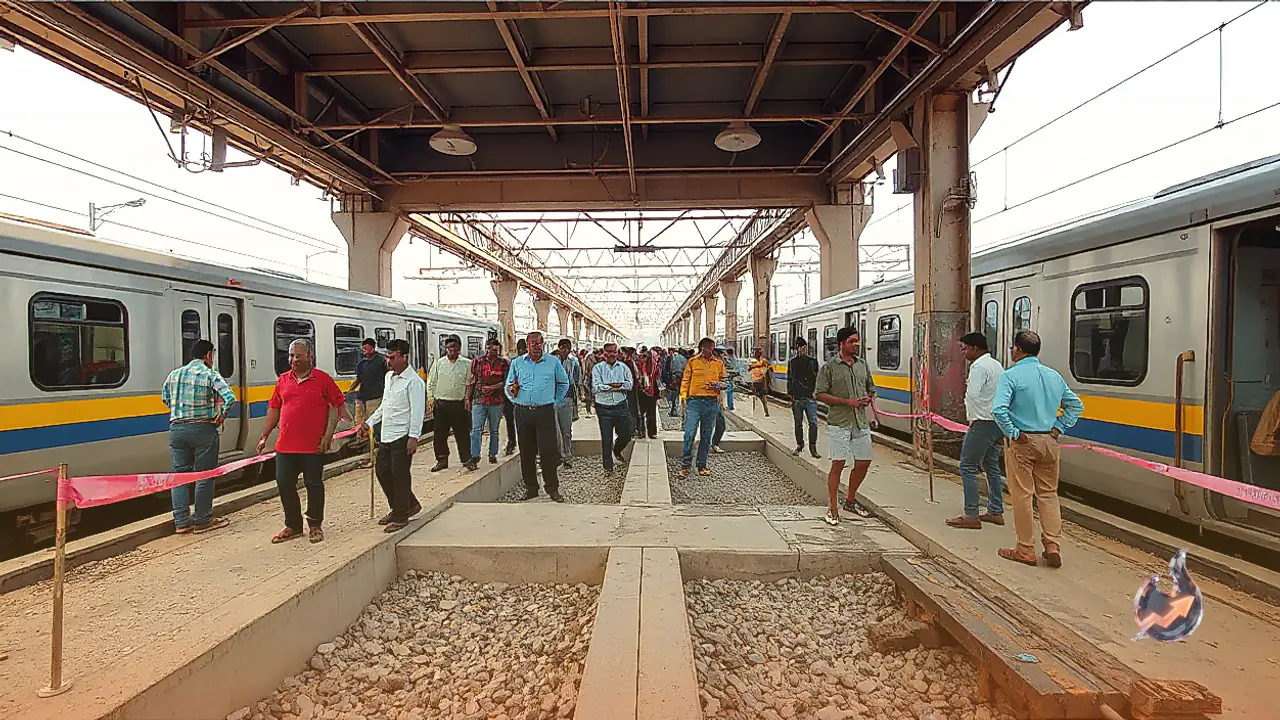
Recognizing the urgency of vital public utilities, authorities have exempted designated projects of national significance from the sweeping stoppage. Authorized exceptions include works tied to railway networks, metro rail corridors, airport expansions, defense sector installations, healthcare facilities, drinking water supply systems, and sanitation works. These dispensations are strictly limited to the narrow categories classified under the commission order. Furthermore, in linear projects where milling or trenching has already concluded, dust-mitigating measures such as laying protective surface covers will be evaluated on a case-specific basis to arrest particulate dispersal.
Half Workforce Remote Policy and Surprise Site Inspections
Mitigating tailpipe emissions forms a core pillar of the current containment plan. Government offices will function with 50 percent of their workforce on site while the remaining staff operate from home. Deputy Commissioner Ayush Sinha assured the CAQM chairperson that both statutory orders will be enforced without compromise. While municipal authorities have already commenced field action against unauthorized building and demolition activities, orders requiring private establishments to institute 50 percent remote working are being actively implemented. Dedicated district enforcement squads have been formed to conduct unannounced inspections, guaranteeing strict compliance and reducing congestion across the arterial road network.
Coordinated Monitoring for Clearer Air
District authorities have reiterated that departmental inertia will not be tolerated in carrying out these anti-pollution measures. Routine inter-agency coordination and continuous field monitoring will ensure the rules translate into measurable ground impact. The overarching goal of these curbs remains containing toxic emissions, restricting discretionary vehicular movement, and easing heavy traffic flows. By enforcing strict adherence in the public interest, the administration seeks to protect public health and grant residents immediate relief from poor air quality. The virtual conference included the participation of CAQM Chairperson Rajesh Verma, CTM Ankit Kumar, Zila Parishad CEO Shikha, RTO Secretary Munish Sehgal, DFSC Kavita Parihar, alongside other key departmental officials.