


















The nutritious and wild fruit known locally as Pangar, which grows naturally across the hilly terrains of Uttarakhand, has become a major attraction in the fruit markets of Dehradun. Internationally recognized as chestnut and belonging to the botanical family Fagaceae, this rare seasonal produce is also called Aghair in the local dialects of the hill region. With the fresh harvest reaching the markets of Dehradun, both local residents and visiting tourists are eagerly purchasing this unique mountain fruit.
Hidden Behind Spikes: The Harvest and Harvesting Challenges
Pangar holds a rich and long-standing history within the culinary and traditional lifestyle of Uttarakhand's mountain communities. The fruit develops inside a protective outer casing covered with dense, sharp green spines. Due to these hard prickles, harvesting Pangar directly from the tree branches and extracting the edible kernel without injury requires significant effort and careful handling. Despite the labor intensive gathering process, consumers readily buy it because of its distinct flavor and wide-ranging health benefits.
Immunity Boosting Properties and Cardiovascular Support
Health specialists highlight that Pangar is packed with medicinal qualities, acting as a natural booster for the human immune system. Regular intake of this seasonal fruit is believed to enhance body defenses significantly. Additionally, it plays an effective role in maintaining heart wellness and lowering the risk of cardiovascular ailments, making it a valuable addition to a balanced diet.
Nutritional Composition: Vitamins, Minerals, and Disease Management
Chestnut serves as a dense source of essential minerals and vital nutrients. It contains substantial amounts of calcium, iron, potassium, magnesium, and vitamin C. Owing to this nutrient profile, Pangar is considered particularly beneficial for managing modern lifestyle disorders such as diabetes and hypertension. It aids in maintaining balanced blood sugar levels while keeping blood pressure within a healthy range.
Traditional Preparation: Boiled or Roasted Delicacy
In the mountain regions of Uttarakhand, Pangar is traditionally consumed only after cooking rather than raw. The most popular traditional methods for preparing the fruit involve boiling it in hot water or roasting it over an open flame. Subjecting the spiky shell to heat softens the tough outer skin, allowing it to peel off with ease. Once peeled, the inner soft, savory, and nutrient-dense nut is ready for consumption.
Annual Crop Cycle: From Summer Blossoms to Autumn Harvest
The life cycle of the Pangar tree follows a distinct seasonal timeline in the Himalayas. Beautiful flowers begin appearing on the trees during the months of May and June. The fruit then develops throughout the summer season and reaches full maturity between August and September. As the monsoon period draws to a close, the ripe chestnuts are harvested and brought to urban fruit vendors.
Economic Impact on Hill Farmers and Regional Tourism
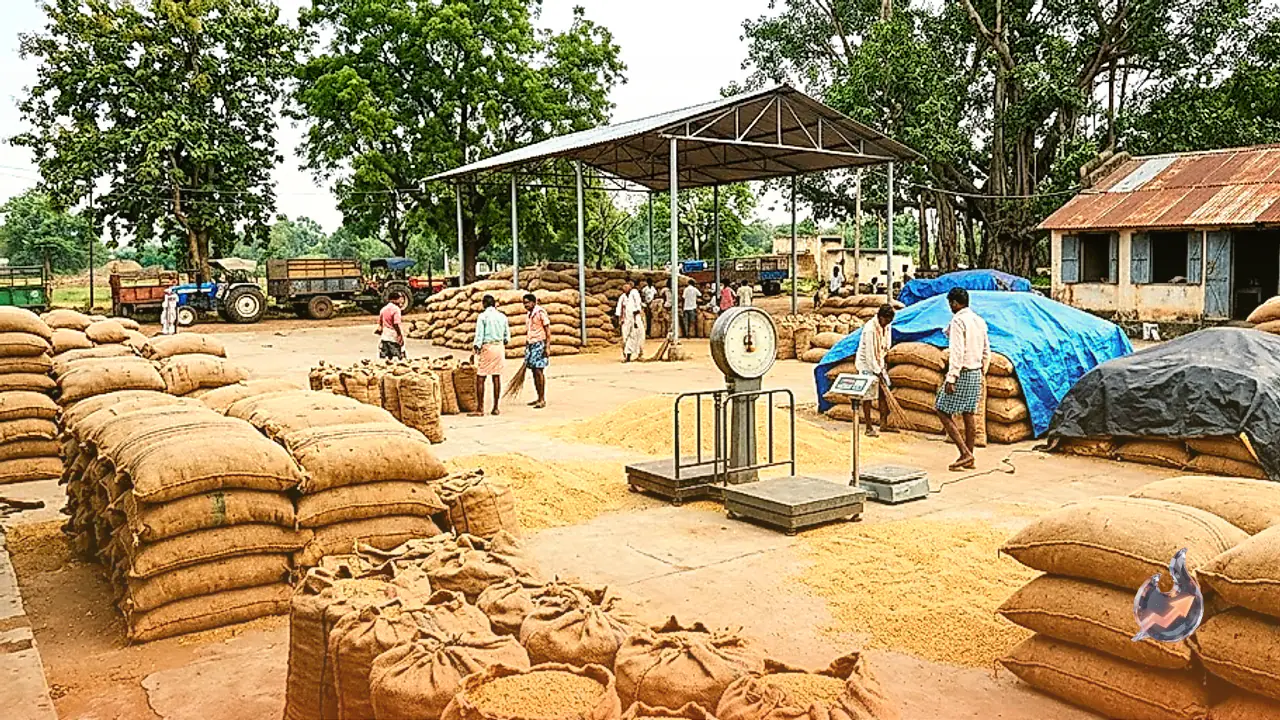
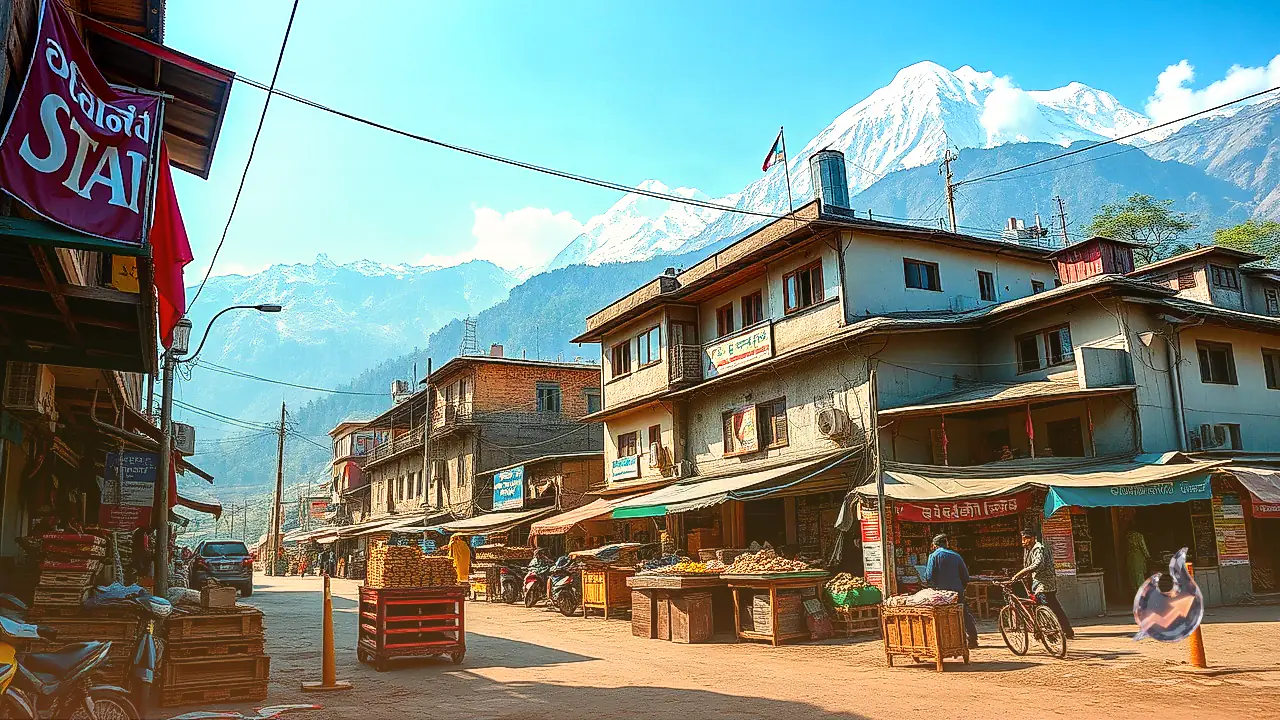
In the retail markets of Dehradun, Pangar is currently selling at prices ranging between 600 rupees and 800 rupees per kilogram. Strong consumer demand combined with premium market rates has turned Pangar into a profitable self-employment opportunity for rural farmers in Uttarakhand. Furthermore, tourists visiting Dehradun as well as the Kumaon region make it a point to sample this rare mountain specialty. The rising popularity of Pangar among travelers and locals alike is raising its commercial value, establishing the fruit as a vital contributor to both public health and the state's rural economy.