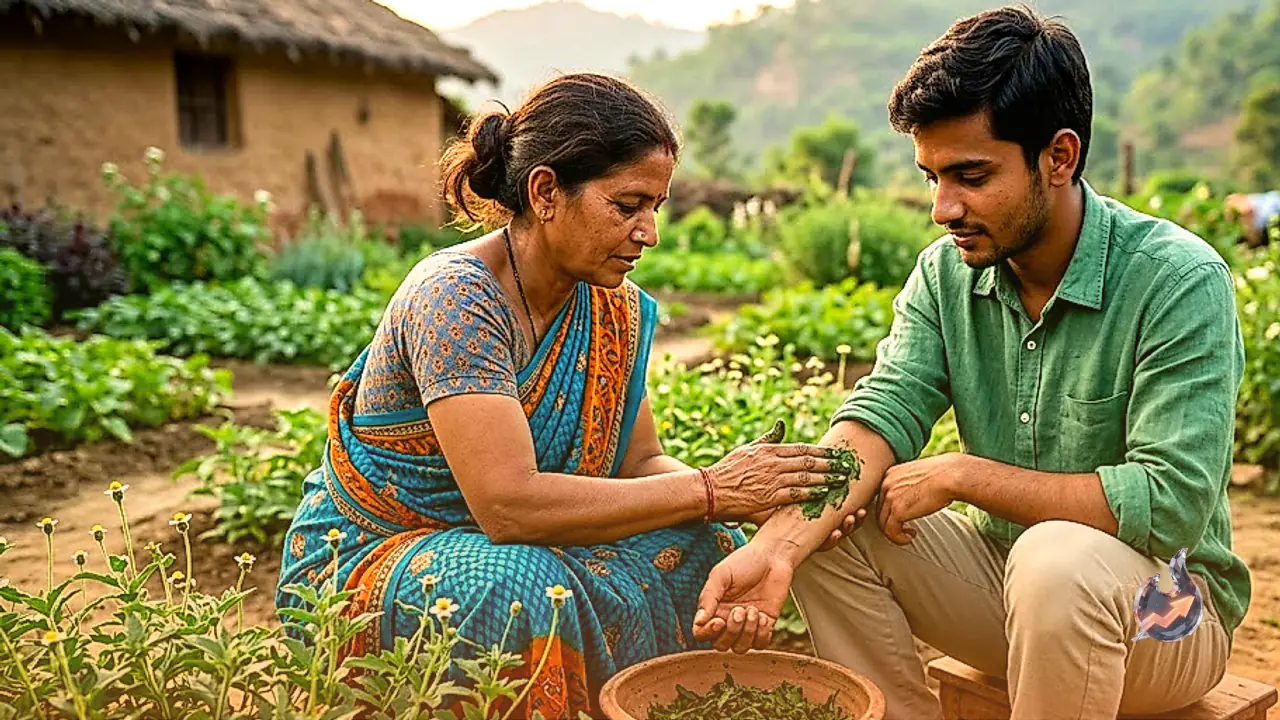

























Across rural landscapes, numerous plants are frequently overlooked as ordinary weeds or wild grass. One such plant is wild mint, locally referred to as gandheli or vishadori in various regions. Scientifically identified as Ageratum conyzoides, this plant features small white or pale purple flowers and commonly thrives around agricultural fields, vacant plots, and gardens.
Traditional Medicine Practices
According to Vaidya Vishnu Dutta Prajapati from Gonda, wild mint has long held a place in traditional healing practices across different communities. People in rural areas have historically utilized its leaves and other components for various home remedies. Nevertheless, proper identification and professional guidance remain crucial before applying any medicinal plant.
Application for Minor Wounds and Cuts
The most traditional application of wild mint involves treating minor cuts and small wounds. The practice of grinding its leaves into a paste and applying it topically has been passed down through generations, with locals believing it aids in wound healing. However, individuals should never rely exclusively on home treatments for deep wounds, excessive bleeding, or severe injuries, as professional medical attention is essential in such scenarios.
Controlling Bleeding in Traditional Care
Within AYUSH medical traditions, the leaves of this plant are sometimes used to help stem bleeding from minor abrasions. Rural traditions suggest that applying a leaf paste helps reduce blood flow. Even so, experts emphasize that this remedy is inadequate for severe hemorrhaging, and prompt medical assistance must be sought immediately when heavy bleeding occurs.
Relief for Skin Irritations
In certain areas, wild mint is also applied to address various skin complications. External application of leaf pastes has been reported for managing itching, common skin infections, and minor irritations. Because individual skin sensitivities vary significantly, consulting a specialist before applying any herbal paste to the skin is strongly advised.
Addressing Stomach Ailments
Some traditional healing modalities incorporate wild mint to manage gastrointestinal issues like diarrhea and dysentery. Preparations derived from different parts of the plant have seen regional use over time. Because diarrhea can stem from numerous underlying causes and can quickly lead to severe dehydration in children, the elderly, and vulnerable individuals, relying solely on home remedies instead of consulting a physician can be risky.
Historically, wild mint has also been employed to help alleviate bodily inflammation and pain through the external application of leaf pastes. Scientific investigations into Ageratum conyzoides have explored various natural compounds within the plant, researching its antioxidant properties, anti-inflammatory potential, and effectiveness against certain microorganisms. Additionally, the plant has seen use for common ailments like fevers and headaches. However, persistent, high fevers or ongoing headaches require proper medical diagnosis rather than simple home treatments.
Important Precautions and Expert Warnings
While wild mint appears unassuming, rural areas feature several plants with strikingly similar appearances. Therefore, consuming or using a plant based solely on a photograph or unverified verbal identification is discouraged. Vaidya Vishnu Dutta Prajapati points out that natural origins do not automatically equate to absolute safety. Different parts of a plant, including leaves, roots, flowers, and seeds, can trigger distinct bodily reactions, making dosage critical. Consuming wild mint in the form of juices, decoctions, or other preparations without professional guidance should be avoided. Pregnant women, children, elderly individuals, and those currently on medication must consult a doctor before incorporating any herbal remedy into their routine.