
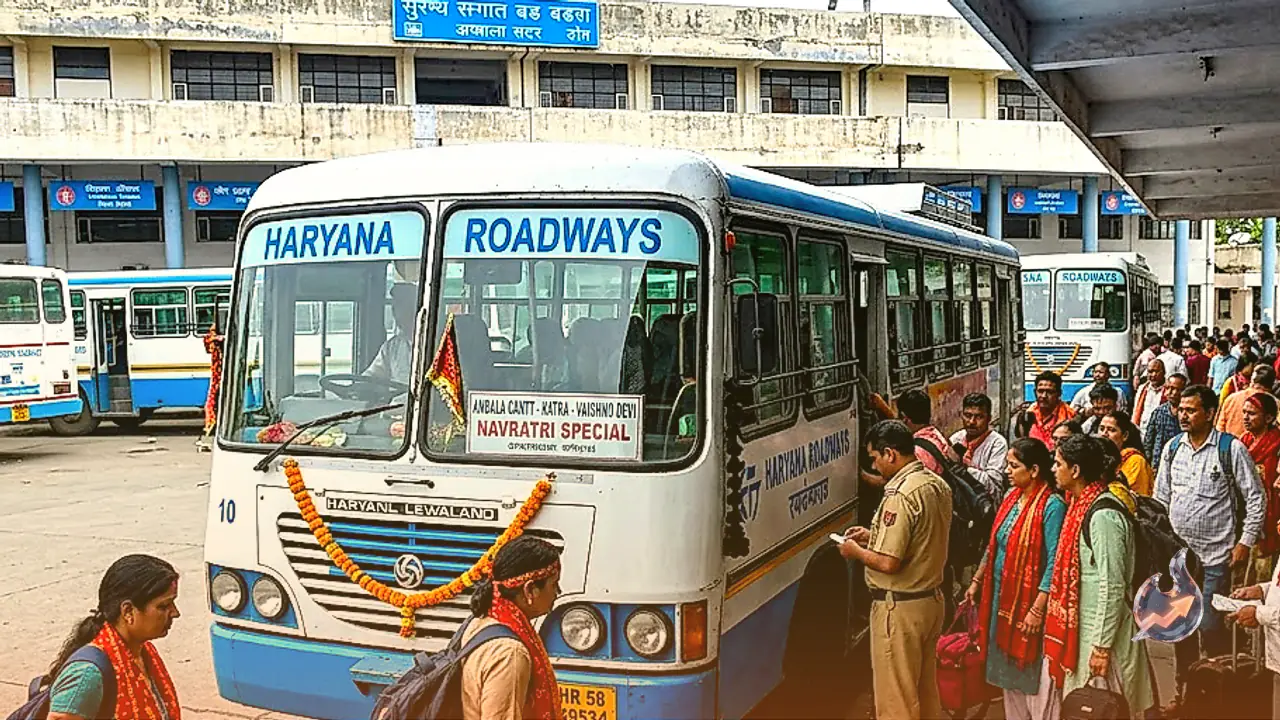














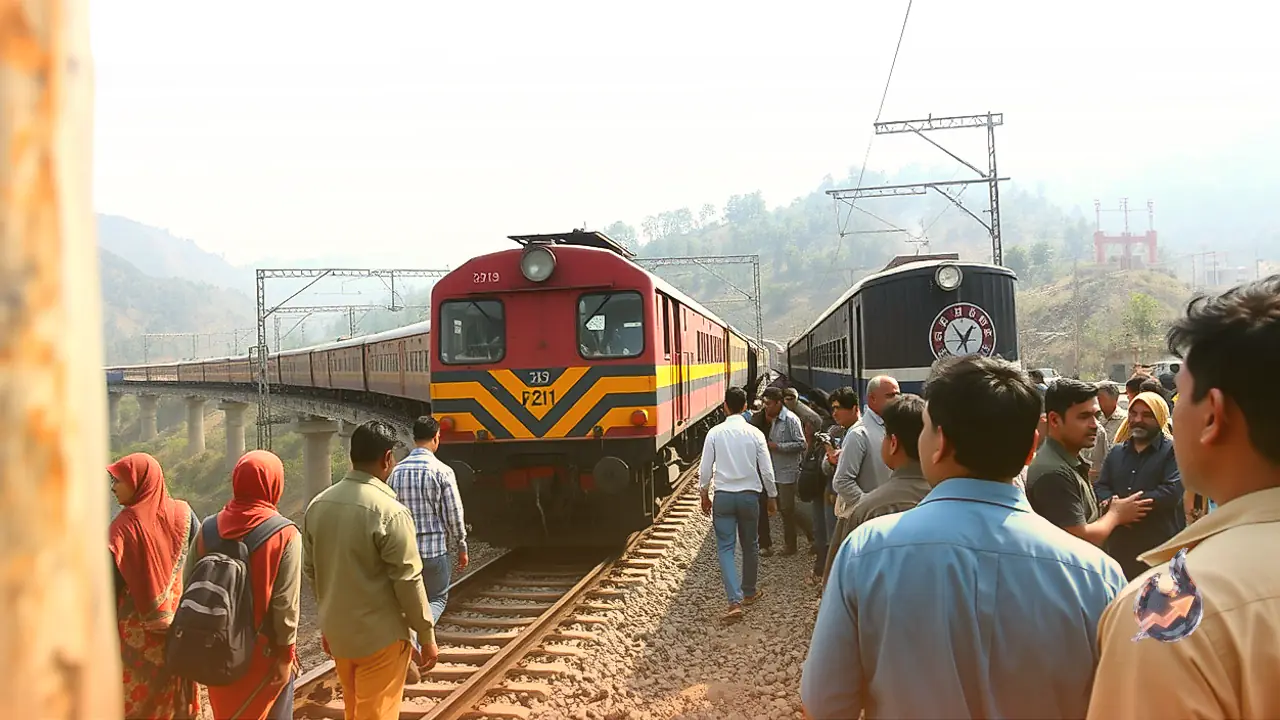

Daily commuters and vacationers heading to Himachal Pradesh received major relief as regular train movements returned to the historic Kangra Valley narrow gauge corridor. Rail traffic on the line resumed on Sunday, coinciding with the opening day of the Navratri festival. Services had stayed suspended for nearly four years on the Pathankot to Joginder Nagar alignment. Following rigorous safety assessments that verified the overall fitness and structural integrity of the line, authorities sanctioned the complete restoration of operations.
Crucial Transport Link for Valleys and Pilgrimage Spots
Administered under the Jammu Division of Northern Railway, this mountain route cuts through the foothills of the Himalayas to connect Punjab with remote pockets in Kangra and Mandi districts. Restoring these train services immediately eases the daily commute for thousands of local office-goers, schoolchildren, college students, traders, and vacationers. Towns including Pathankot, Kangra, Baijnath, Jwalamukhi Road, and Joginder Nagar are once again tied together through dependable transport, providing seamless travel to key religious landmarks and rural trading hubs.
Schedule and Service Blueprint for Restored Pairs
Railway planners have scheduled multiple daily runs to accommodate different segments of the valley. Between Pathankot and Baijnath Paprola, two pairs of passenger trains designated as 52465/52470 and 52467/52474 have begun operations according to their established timetables. To assist devotees visiting the renowned shrine, one pair numbered 52464/52469 now links Baijnath Paprola directly with Jwalamukhi Road. Furthermore, train service 52473/52472 bridges Baijnath Paprola and Joginder Nagar, reviving the terminal rail link into Mandi district.
Departures out of the Baijnath Paprola hub are spaced across morning and afternoon slots. The first service departs at 8:00 AM heading toward Joginder Nagar. Commuters travelling to Jwalamukhi Road can board a train scheduled at 10:00 AM. For travellers aiming for Pathankot, two separate afternoon departures are available, leaving the platform at 2:15 PM and 3:40 PM respectively.
Official Directives and Passenger Guidance
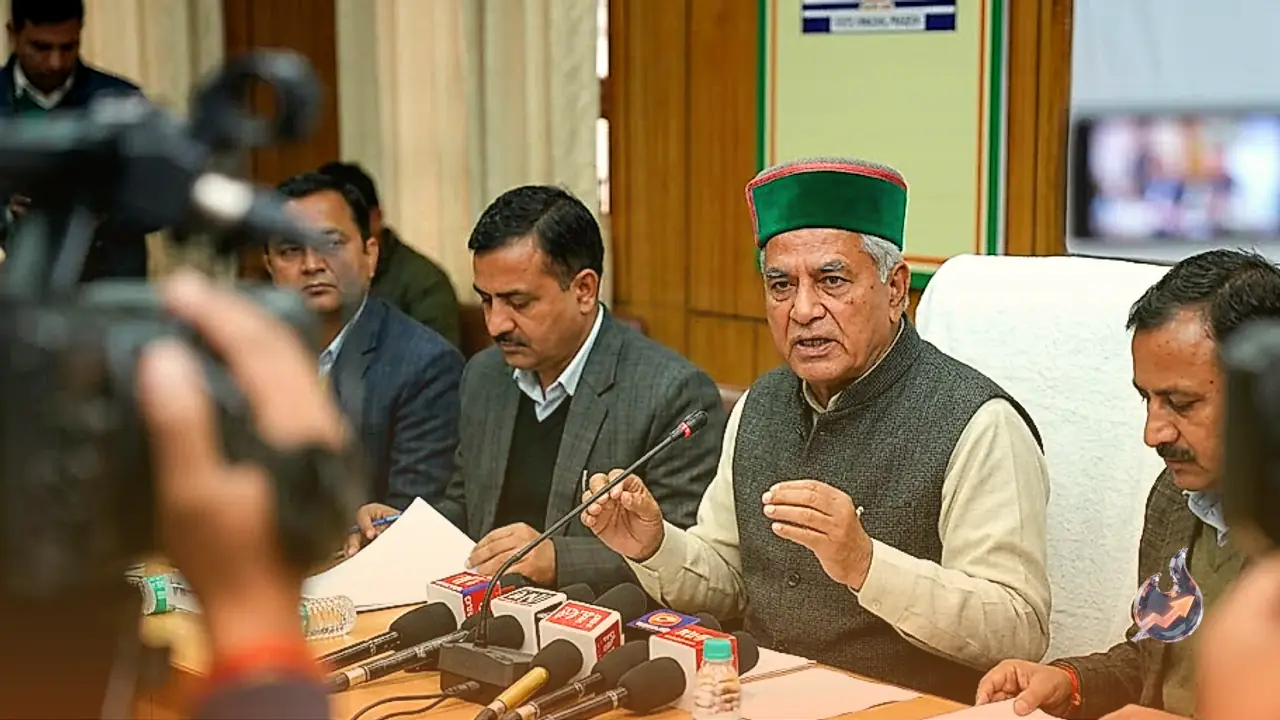
Stations along the corridor have received detailed operational guidelines to ensure that daily schedules operate without delays. Raghvendra Singh, public relations inspector for the Jammu Division, emphasized the organization's focus on maintaining passenger safety alongside dependable service. Commuters have been advised to verify active running schedules prior to their departures through the 139 rail helpline, the official NTES mobile application, or standard enquiry desks located at nearby railway stations.
Why the Track Remained Silent for Four Years
The prolonged disruption of services was caused by severe weather damage that struck the region in 2022. Torrential monsoon rains triggered heavy flash floods, which ultimately washed away the vital Chakki rail bridge located in the Indora region. With this critical link severed, rail traffic across the entire Kangra Valley came to an absolute standstill. Railway authorities spent approximately 70 crore rupees across four years to reconstruct the destroyed bridge and stabilize the surrounding infrastructure, allowing train trials and eventual public reopening.
Heritage Track Built Across British Era with Modest Ticket Fares
Spanning 164 kilometers, the Pathankot to Joginder Nagar track remains one of India's most scenic colonial-era engineering achievements. Constructed during the British regime over a span of three years, the original project required an expenditure of about 1 crore 13 lakh rupees. The challenging terrain features two tunnels alongside approximately 950 major and minor bridges spanning ravines and mountain streams. Most remarkably, ticket pricing remains accessible to all economic sections: base fares start at just 10 rupees, with the entire 164-kilometer journey capped at a maximum of around 35 rupees.