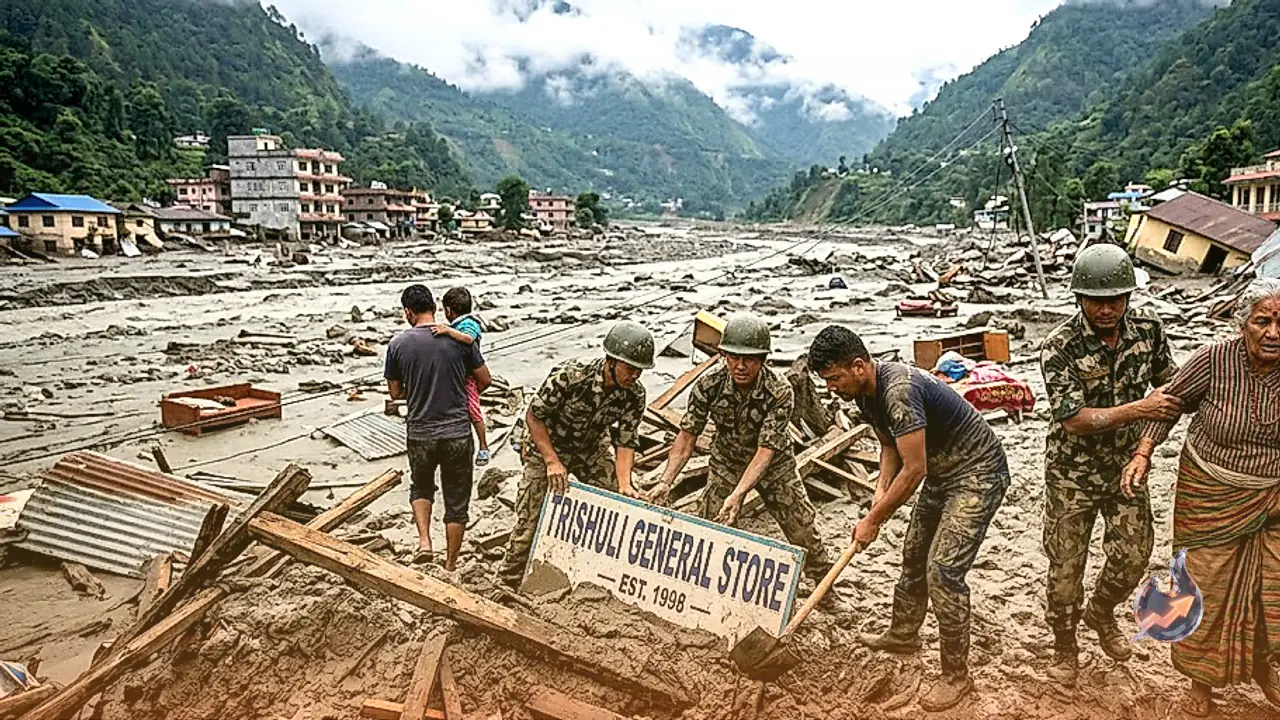
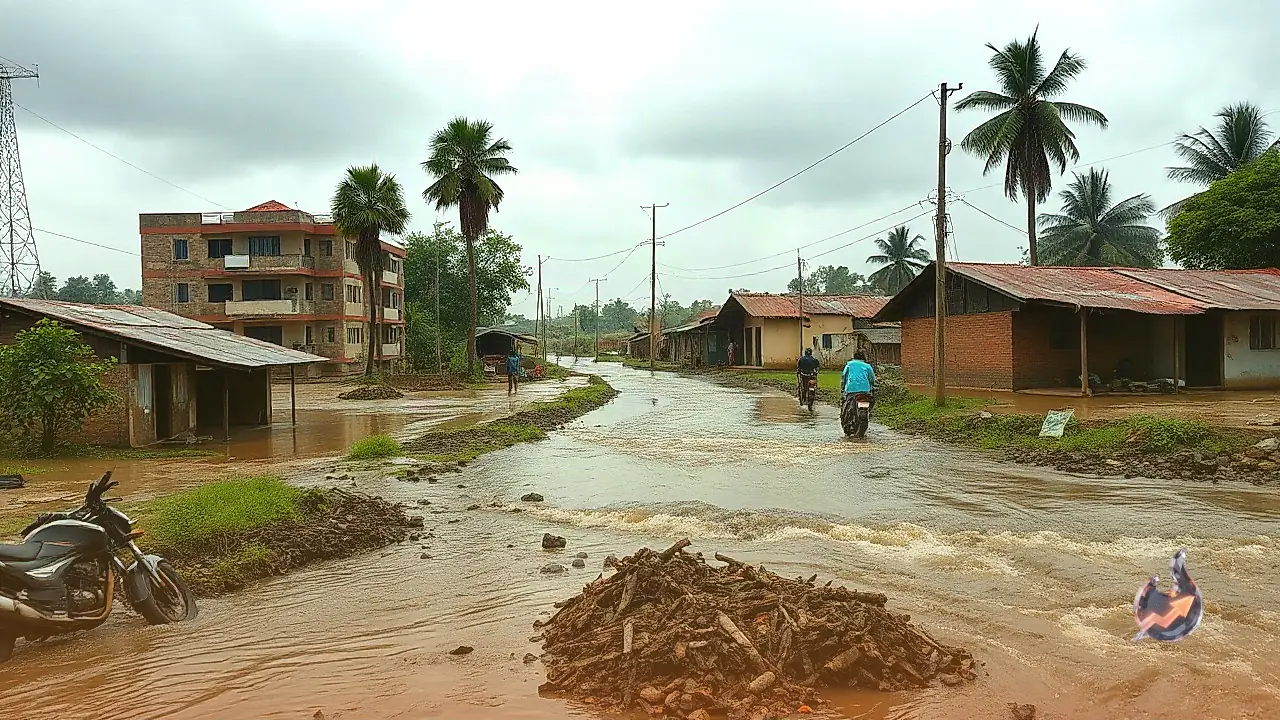






















The sudden flash flood in Bhotekoshi has left hundreds of hydropower workers either trapped or missing, with fears mounting that many remain stuck inside underground tunnels and powerhouses. While the exact head count remains uncertain, initial reports presented varying figures. IPPAN initially reported 897 missing workers across 11 hydropower projects, while NDRRMA put the figure at 933 and The Kathmandu Post reported 934.
Why Nepal shifted its stance on foreign rescue teams
Initially, Nepal declined outside assistance. Radio Nepal reported on 27 August that the country maintained its security agencies were fully capable of managing search and rescue operations independently. Reuters quoted Nepal Foreign Ministry spokesperson Lok Bahadur Chhetri stating that domestic forces were handling the situation and external help was not required at that stage. However, as the disaster's magnitude and complexity became more apparent, the government reassessed its position.
By 28 August, Nepal agreed to accept foreign specialists specifically for tunnel rescue work, DNA testing, and forensic procedures. This did not mean relinquishing control of the operation; Nepal continued leading the search while bringing in crucial external expertise for the most demanding technical segments.
The floods impacted roads, bridges, and numerous hydropower projects across Rasuwa and neighboring districts. Rescue teams from the Nepal Army were promptly mobilized, evacuating hundreds of individuals. Media reports indicated that by 29 August, 208 people, including 43 foreign nationals, were rescued from the Trishuli-III hydropower project tunnel, comprising 38 Chinese and five Indian citizens.
Current status inside the Trishuli tunnels
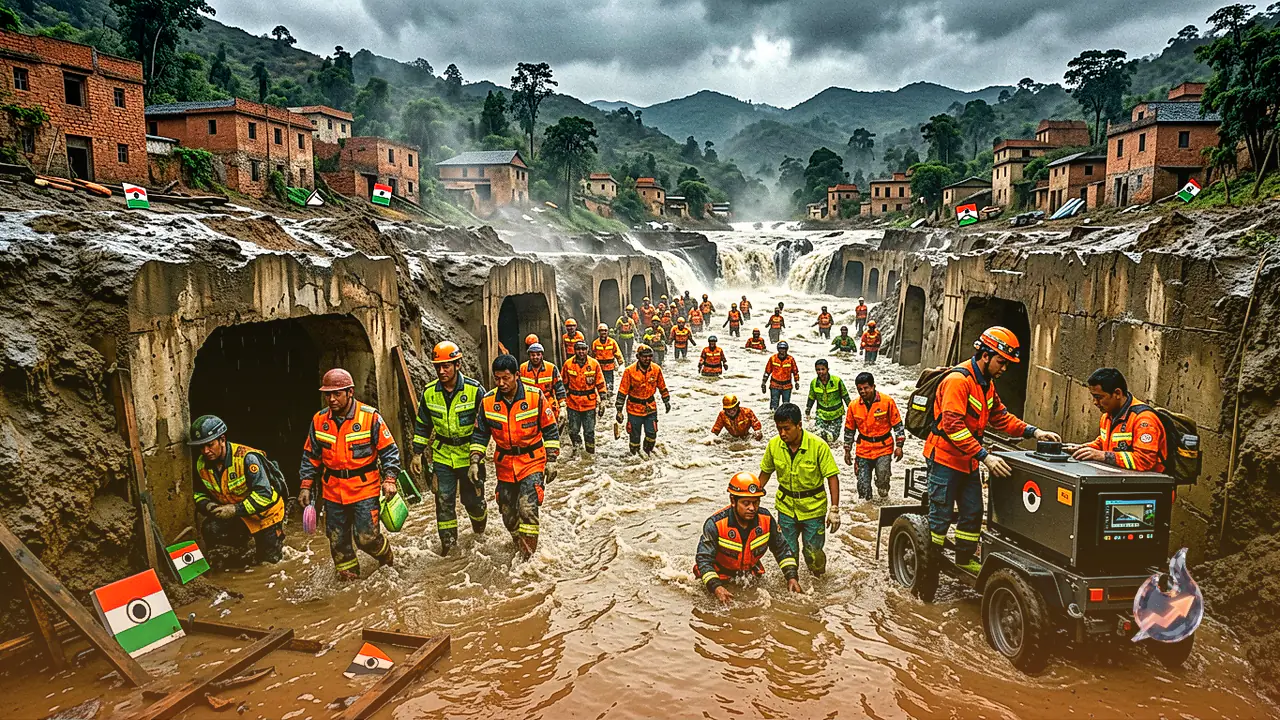
Despite these efforts, several sections remain inaccessible. The Nepal Mountaineering Association reported that teams deployed to Tunnel Nos 1, 2, and 3 could not proceed due to extremely hazardous and technically difficult conditions caused by heavy mud and water inundation. At Upper Trishuli-3A, the Nepal Army reached the crown head after three days of strenuous effort, utilizing drills, excavators, and hydraulic cutters to create an opening that revealed a water-filled area roughly 7 meters wide with no immediate response from inside.
Officials estimate at least 35 individuals remain trapped at Upper Trishuli-3A, while Trishuli-3B accounts for 201 unaccounted individuals, including project staff, consultants, workers, and security personnel. Experts emphasize that subterranean rescues are uniquely sensitive, requiring teams to operate within confined and unstable environments while factoring in structural safety risks.
Advanced technology required for underground operations
Complex tunnel operations demand specialized equipment that goes beyond standard disaster response gear. Rescuers rely on movement detectors, thermal imaging cameras to locate body heat beneath debris, small inspection cameras, heavy-duty drilling machinery, and life-support apparatus. At the Trishuli site, engineers inserted a pipeline into a tunnel to pump breathable air into the confined space, while heavy machinery and controlled blasting are being used to widen access paths.
Standard protocols dictate a systematic approach: assessing structural stability, restoring air supplies, deploying thermal sensors, clearing water and debris, creating safe entry passages, and ultimately evacuating survivors for medical care.
Contributions from India and China
India has dispatched a specialized technical contingent comprising tunnel experts and search-and-rescue gear, along with a medical team and forensic equipment for DNA analysis. An 11-member special technical team is actively assisting at the Trishuli-3A project. India brings prior experience from the Silkyara tunnel rescue in Uttarakhand in November 2023, where 41 workers were successfully extricated after 17 days.
Concurrently, Nepal is coordinating with a six-member Chinese technical expert team deployed at the Upper Trishuli-3B project. China has supplied technical equipment, including thermal cameras and drilling apparatus, focusing primarily on technical assessment and rescue planning.
Future implications for infrastructure in Nepal
The Trishuli incident underscores growing vulnerabilities as Nepal expands its hydropower and mountain infrastructure in disaster-prone regions amid escalating climate risks. Experts stress the urgent need for domestic tunnel-rescue capabilities, specialized machinery, and robust emergency planning to address future underground crises effectively.