




















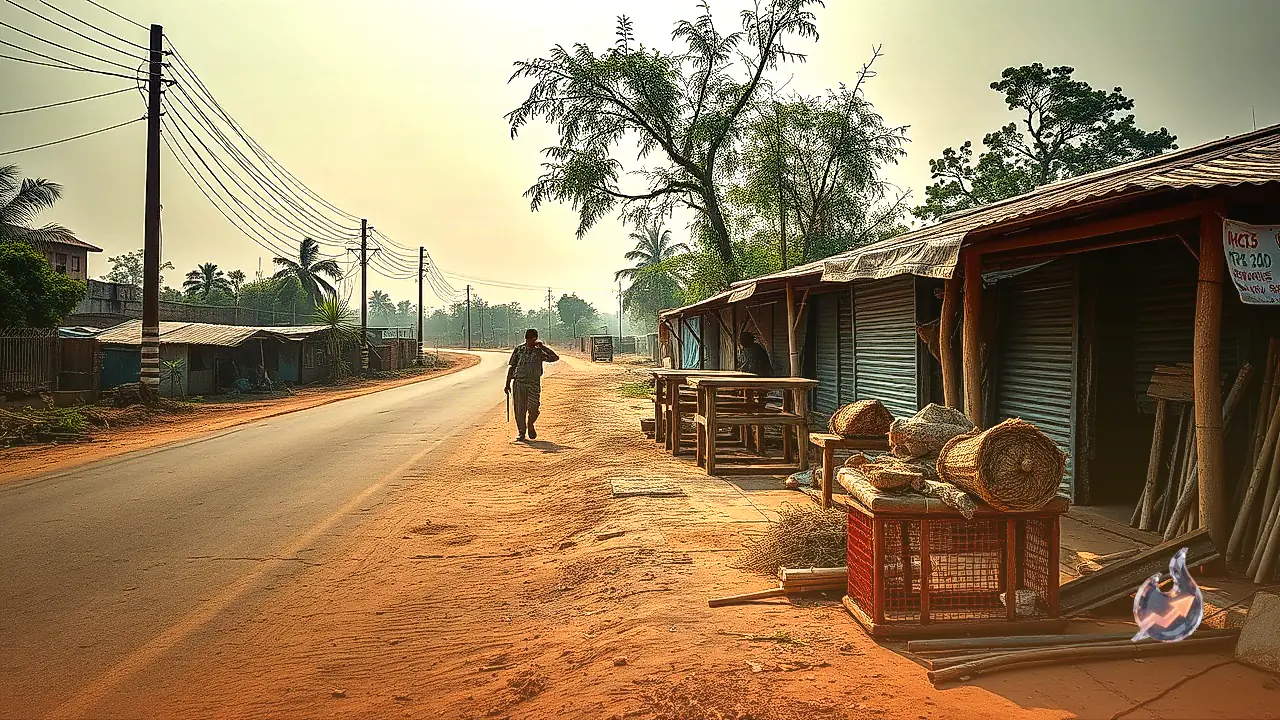

In Koderma district of Jharkhand, a traditional craftsmanship tradition is fighting a quiet battle against the overwhelming rise of modern plastic goods. While synthetic and plastic items have penetrated almost every household, local artisans belonging to the Bansphod community remain dedicated to preserving their ancestral legacy. Situated along the Ranchi-Patna National Highway in Ward Number 7 of the Municipal Council area, around 30 to 40 families have been earning their living for generations by shaping raw bamboo into functional handcrafted items. In their skilled hands, bamboo turns into indispensable articles used daily as well as in religious rituals and cultural ceremonies.
Heritage of Bamboo Craftsmanship in Koderma
For these artisan families, bamboo is far more than mere timber; it is the cornerstone of their heritage and financial sustenance. Every morning outside their dwellings near the highway, the rhythmic sound of cutting and splitting bamboo fills the air. Both men and women participate equally in this daily labor, keeping their traditional art alive through shared effort. The items crafted by them include traditional winnowing trays known as Soop, large ritual baskets called Daura, standard baskets, small containers called Daliya, flat woven trays known as Dala, hand fans, and chicken coops termed Murga Tokra. These handcrafted goods represent an integral part of regional culture and household utility.
Intricate and Hazardous Process of Bamboo Crafting
While the finished products look simple and natural, creating them requires intense physical labor and precise technique. Local craftsperson Sunita Turi explains that this skill has been passed down through generations within their families. The manufacturing process begins by sourcing fresh green bamboo from surrounding rural villages. After selecting and trimming the stalks, artisans use a specialized sharp iron tool to split the bamboo into uniform, flexible thin strips.
This splitting phase involves considerable personal risk. A small slip of the hand while handling the sharp iron tool or the freshly split bamboo can inflict severe cuts and injuries. Consequently, artisans must work with extreme caution and focus. Once the thin strips are ready, they are intricately woven and shaped by hand. Hours of manual labor go into completing a single item. Women in the community work side by side with men throughout the day, sharing every stage of the preparation and weaving process.
Impact of Growing Plastic Usage on Traditional Business
The influx of cheap plastic alternatives into local markets has severely disrupted this traditional economy. According to Sunita Turi, demand for bamboo items was consistently high in earlier years, allowing families to earn a comfortable income. However, modern consumers increasingly prefer plastic products due to their wide availability and lower prices. This shift in buying habits has driven down sales of bamboo products, directly squeezing the daily earnings of artisan households.
Despite diminishing profits and rising financial stress, these families refuse to abandon their hereditary trade. They strongly believe that bamboo products are eco-friendly and deeply connected to traditional values, offering a clean alternative to environmentally damaging plastic waste.
Affordable Pricing and Appeal to Support Local Artisans
The prices set by the Bansphod families remain accessible to everyday consumers. A handmade bamboo fan is sold for approximately 20 rupees, while a Daliya costs around 40 rupees and a Soop is priced near 50 rupees. Additionally, a Dala is available for 80 rupees, a standard basket for 100 rupees, and larger items like a Daura or a Murga Tokra cost around 200 rupees each. Despite such reasonable pricing, sales continue to lag due to competition from synthetic goods.
Addressing this challenge, Sunita Turi has urged citizens to choose locally handcrafted goods over mass-produced plastic items. She emphasized that supporting local artisans helps preserve an ancient craft while securing the essential livelihood of dozens of families who have depended on this trade for generations.